Bird, Frog and Macaw Photography in Sarapiquí, Costa Rica
- Flying Sansa from Bocas del Toro to San Jose, Costa Rica
- Hummingbird Photography in San Gerardo de Dota
- Savegre Valley Bird Photography - Hummingbirds and the Resplendant Quetzal
- Hummingbird Flash Photography & Resplendant Quetzal
- Rancho Naturalista - Snowcap Hummingbirds & Bats
- Selva Verde - Bird, Frog & Macaws
- Birding at Laguna Lagarto
- King Vulture Hide
- Snake & Frog Photography (a.k.a. "herping")
- From Costa Rica to the Galapagos
Our next stop on the tour was Selva Verde Lodge in the Caribbean Lowlands, where we hoped to photograph frogs, macaws in flight, and, of course, more hungry birds.
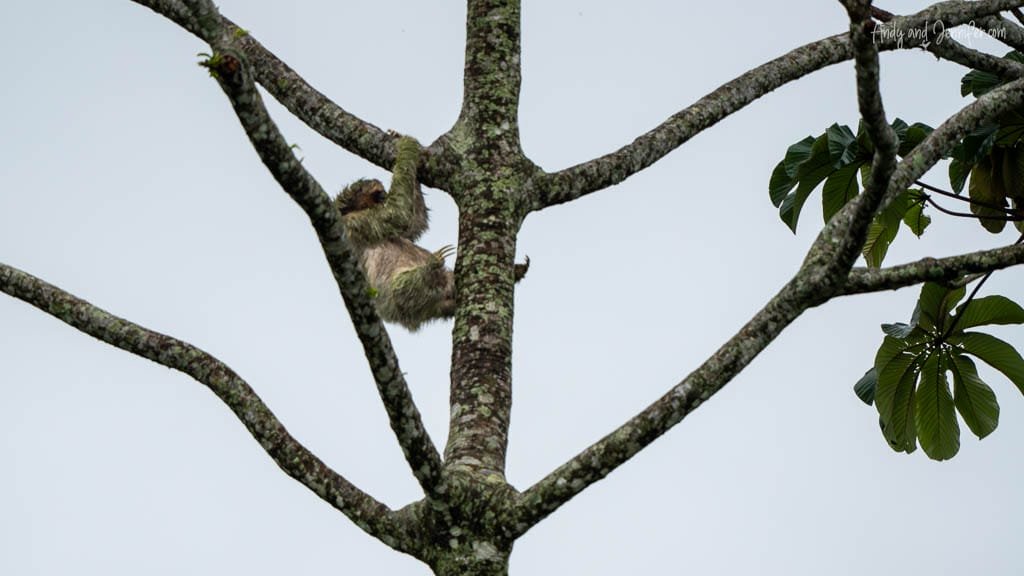
The three-hour drive from Rancho Naturalista was uneventful, with the exception of a roadside sloth spotting.
Arriving at Selva Verde Lodge
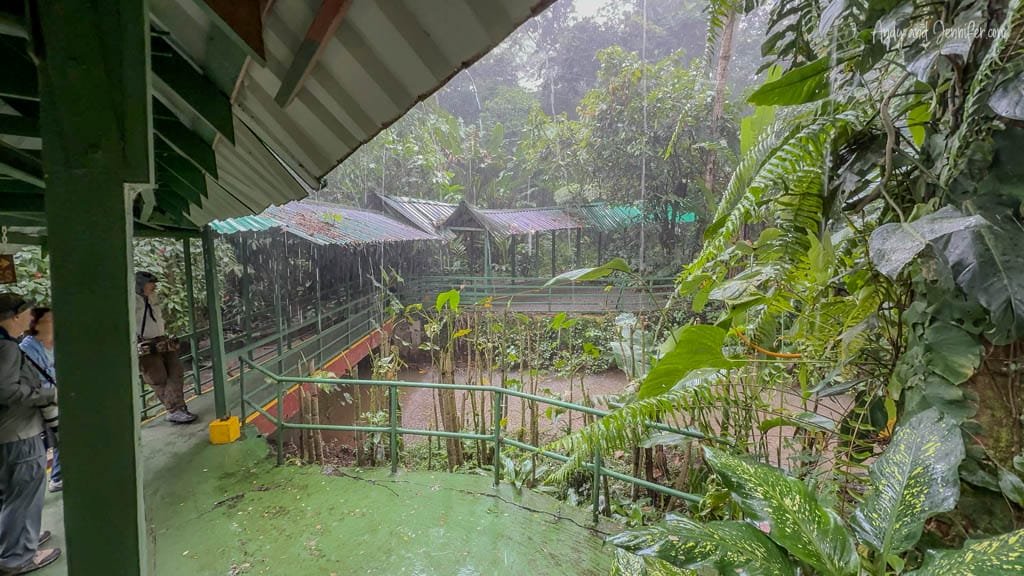
It was raining when we arrived at Selva Verde Lodge, but fortunately the lodge is well prepared for that. An extensive network of covered walkways connects the buildings, which meant we could move around without getting completely soaked.
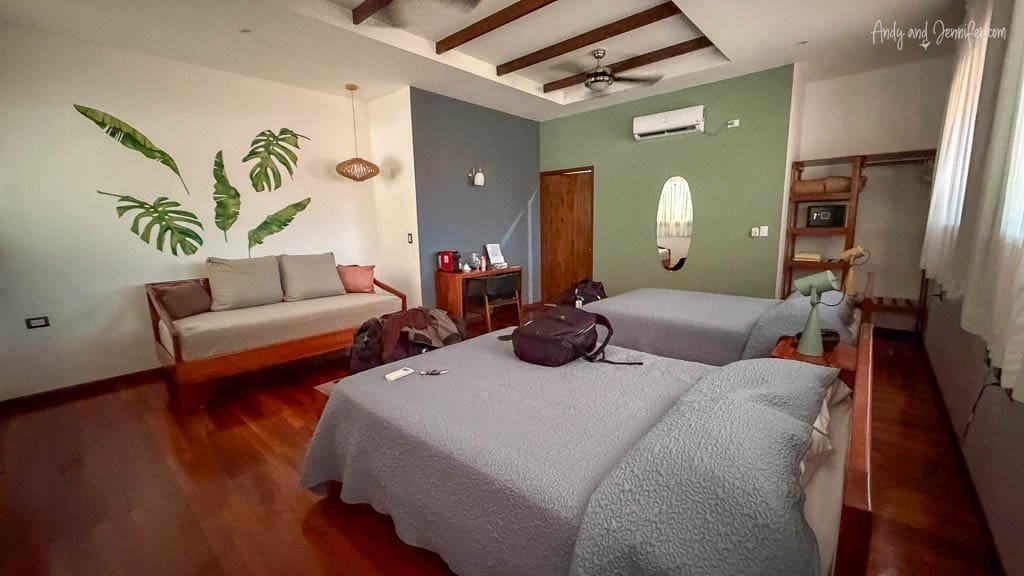
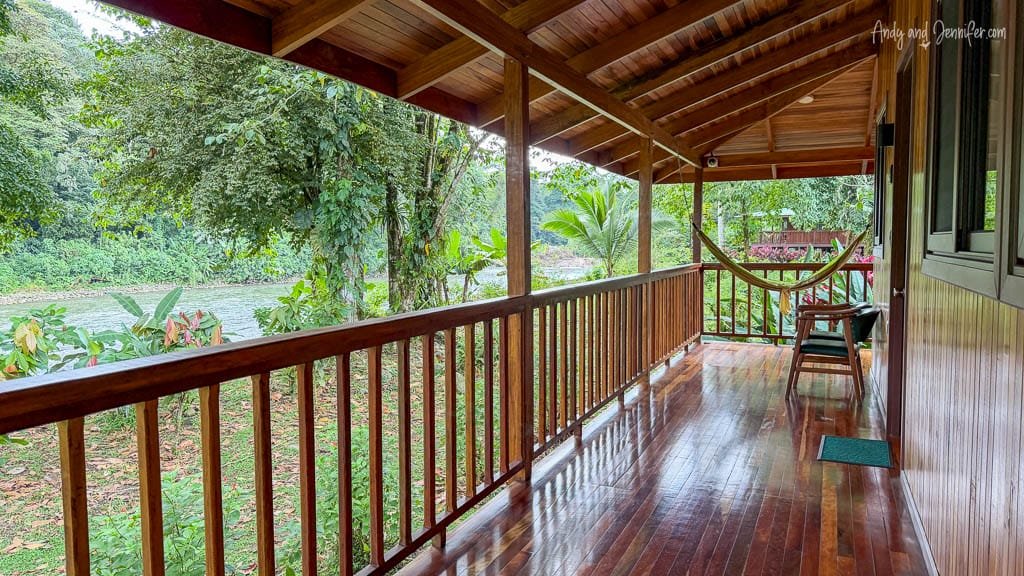
Our room was one of the nicer ones we’d stayed in so far, set right along the river with a view into the surrounding forest. The sound of the water carried through the trees and gave the whole place a calm, settled feel.
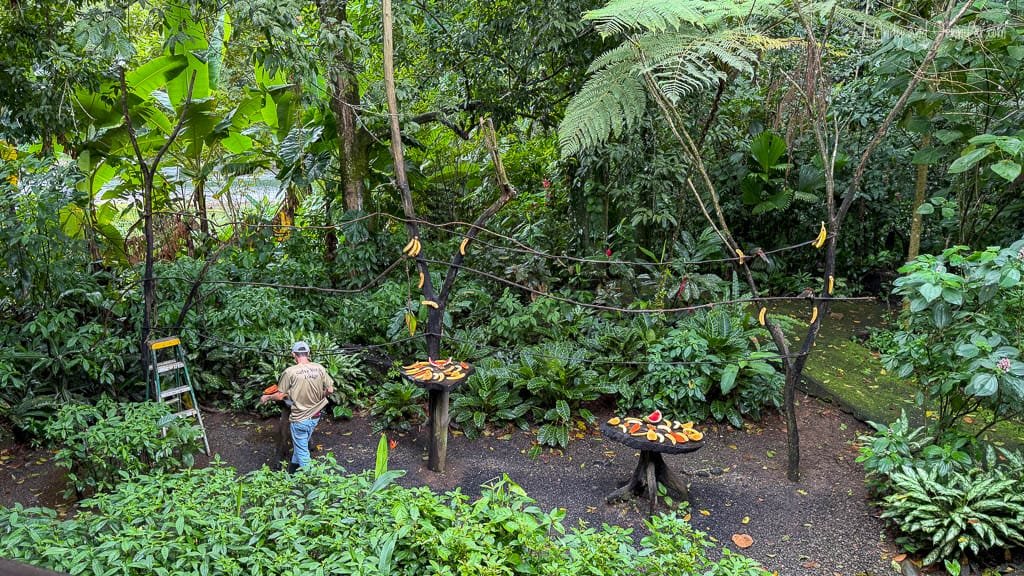
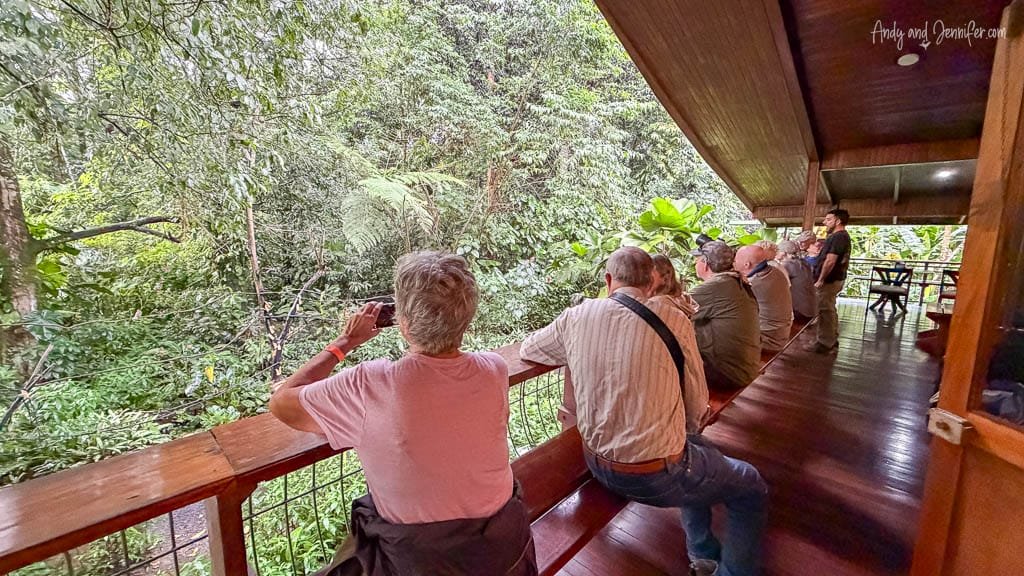
The lodge also has a well-designed feeder setup. A large covered balcony faces a series of feeders positioned at just the right distance for photography, with benches where you can sit and watch the birds come and go. It was particularly useful in the rain, when wandering around the forest with camera gear seemed considerably less appealing.
Photographing Frogs After Dark
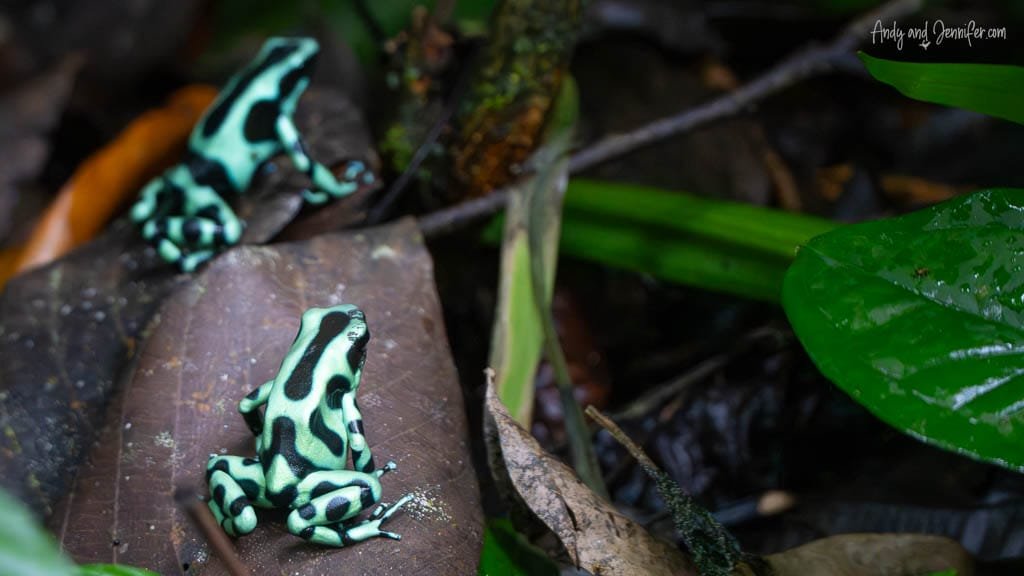
After lunch and some time at the feeders, we took a short walk around the grounds looking for frogs. We found a few green-and-black poison dart frogs, but the environment was not great for photography.
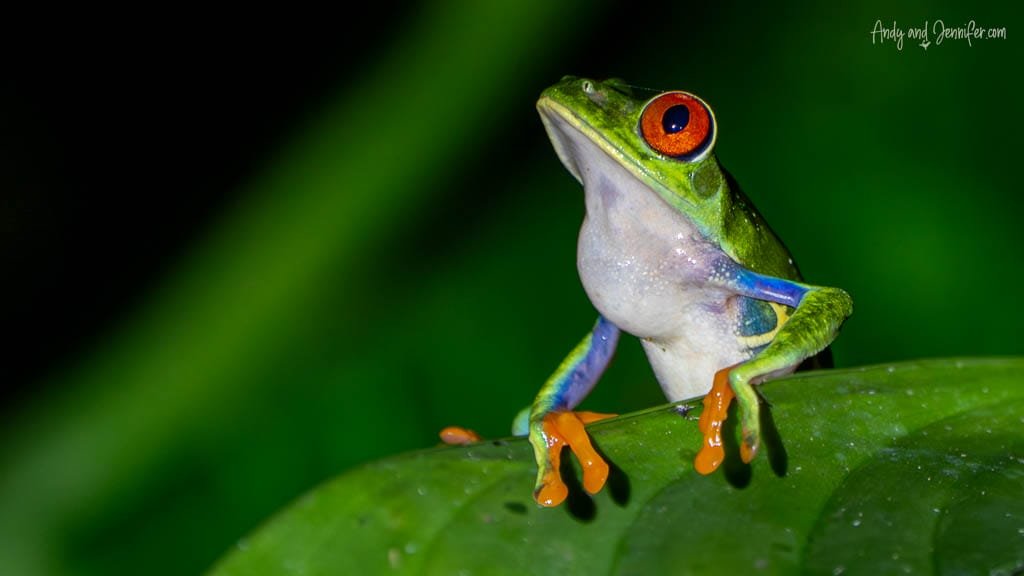
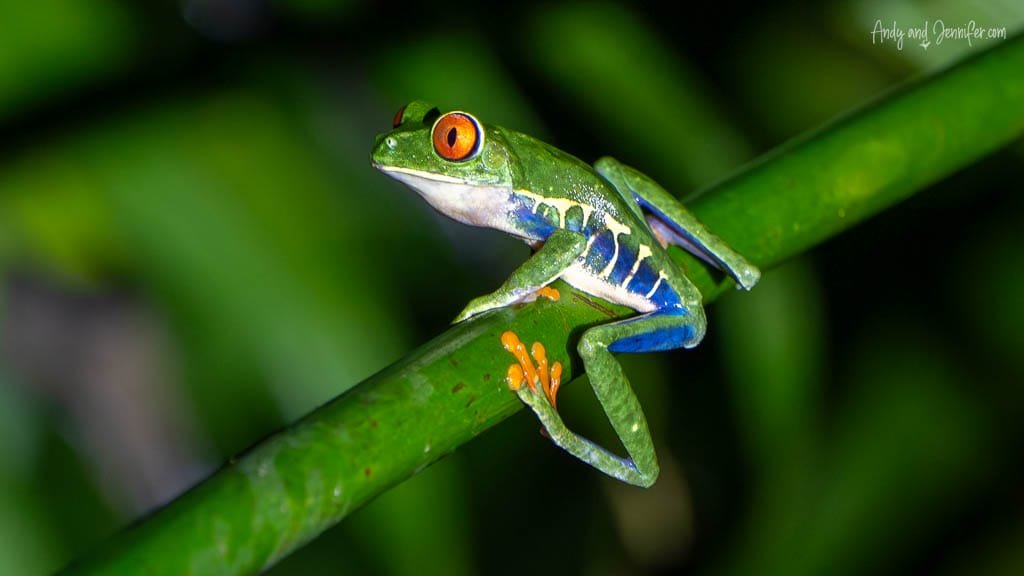
When we headed out again after dinner, the difference was noticeable. There was far more activity and we had some excellent sightings of red-eyed tree frogs. This was a clear step up from what we’d seen in Panama just ten days earlier.
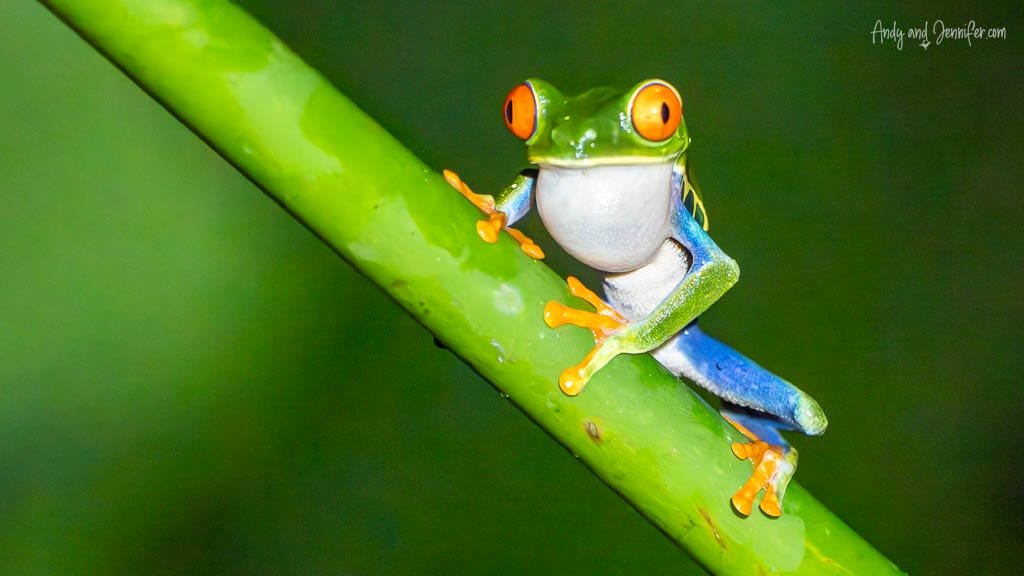
An Early Morning at the Selva Verde Feeders
We arrived at the feeders around 6:30 a.m., only to discover that plenty of other people had apparently had the same idea. The balcony was already packed.
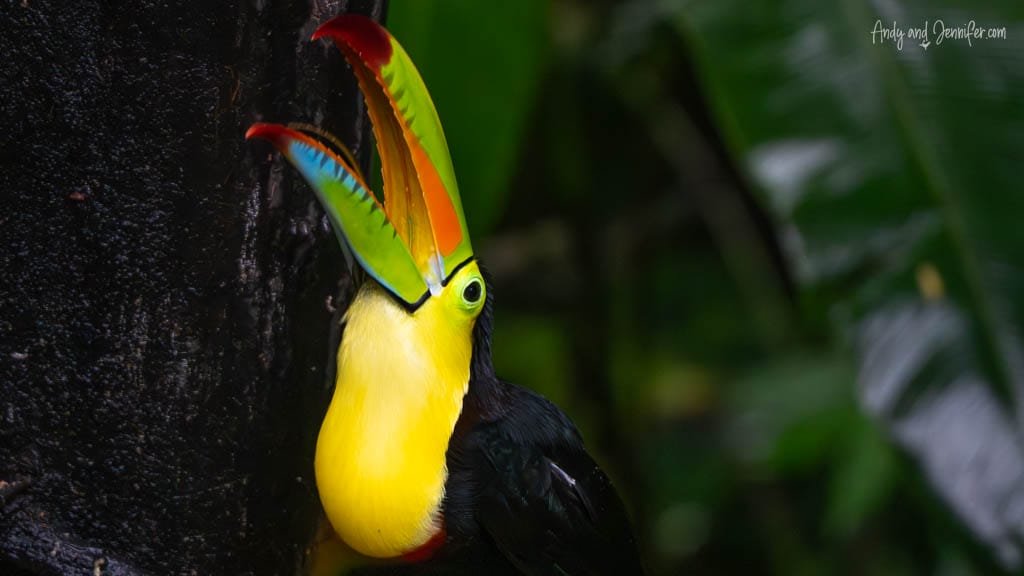
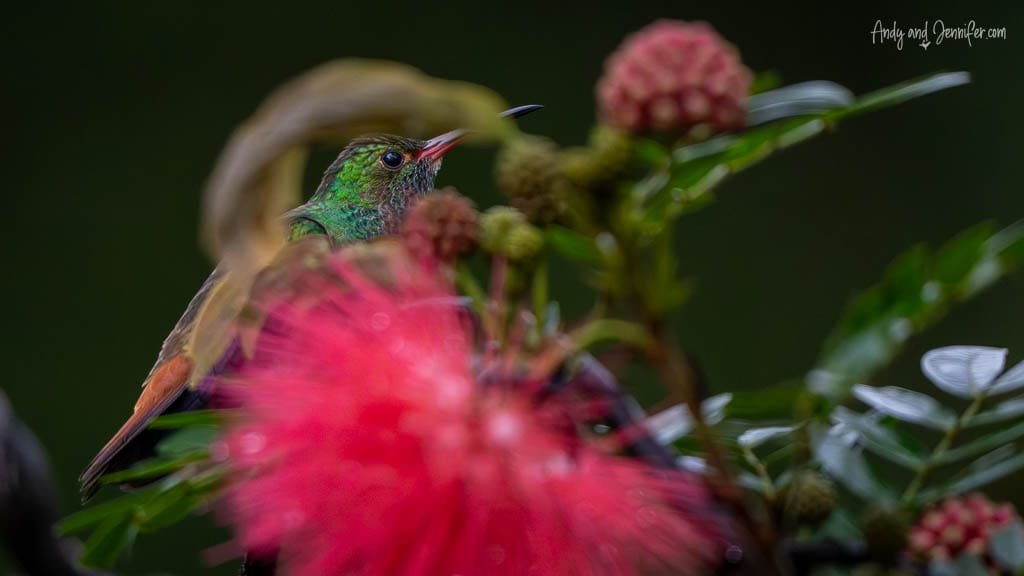
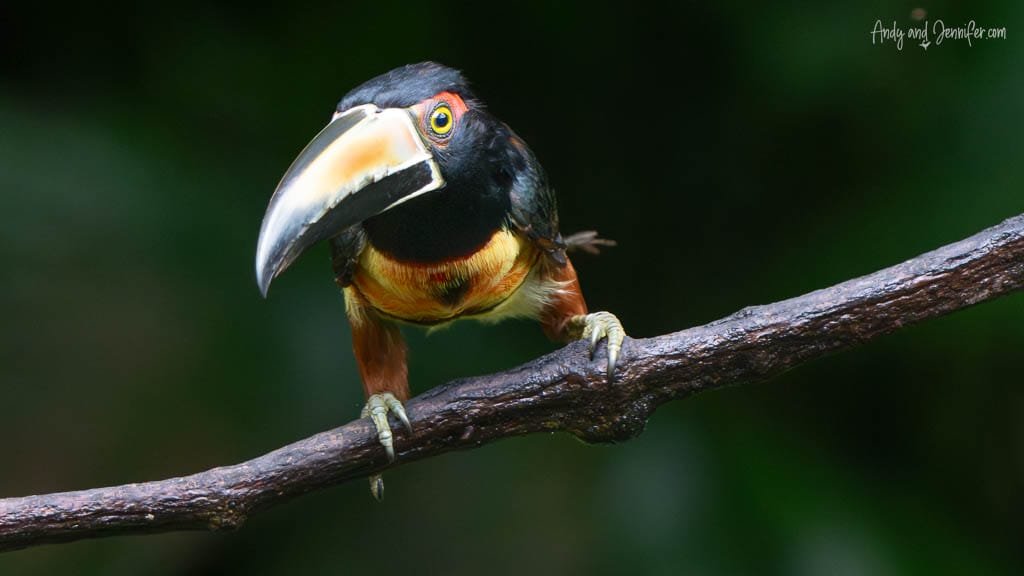
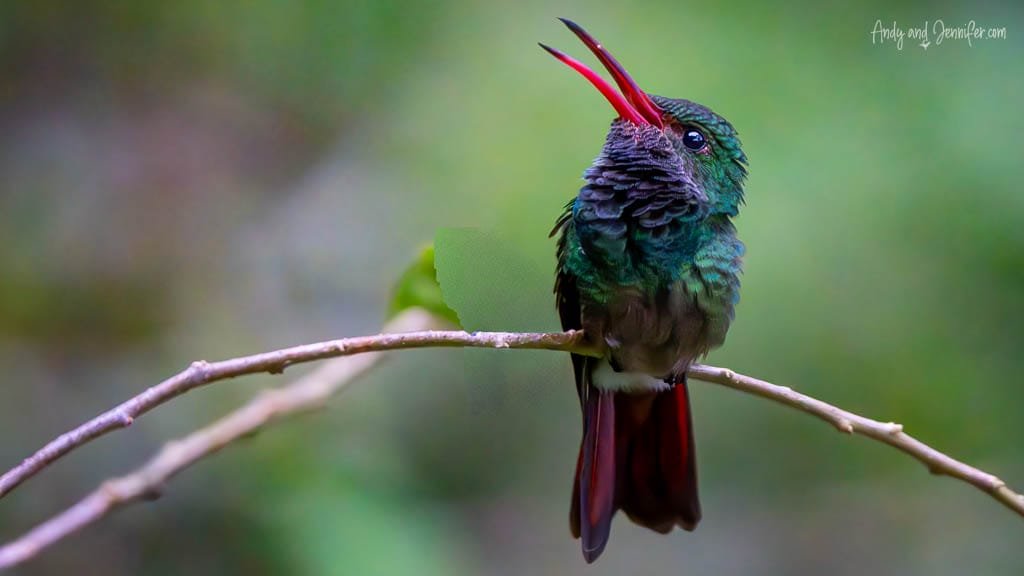
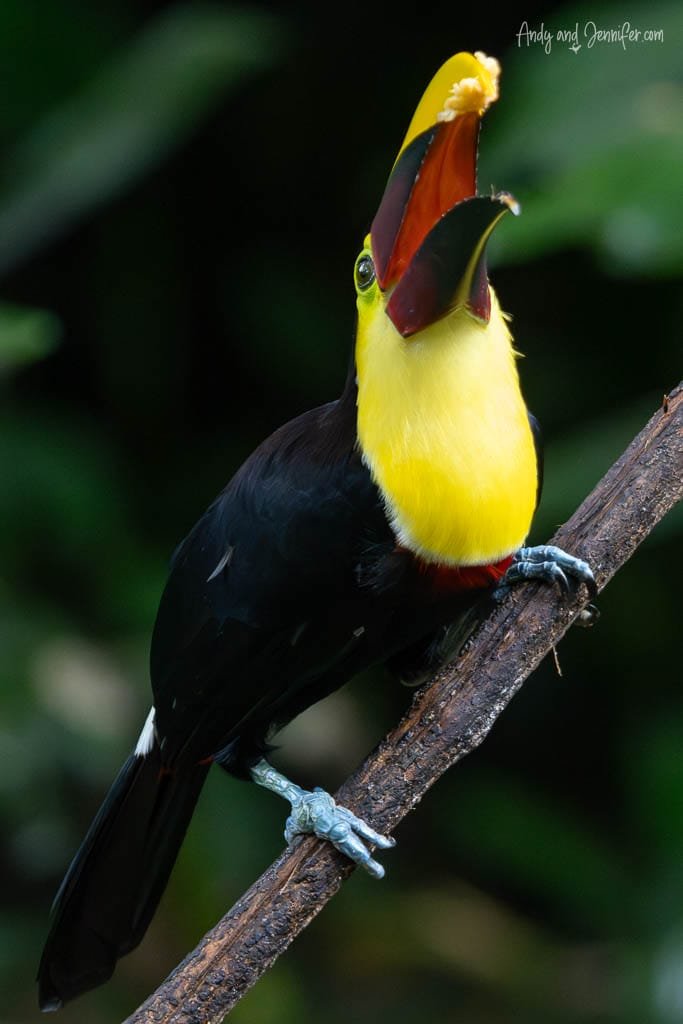
There was plenty of room though, and plenty of bird activity. After breakfast, we loaded into the van for the morning activity, which involved about a 40-minute drive from Selva Verde.
Photographing Macaws in Flight at La Finca Lodge
Our destination was La Finca Lodge, also known as the Macaw Farm.
The property hosts red macaws, green macaws, and a hybrid that we were told cannot reproduce. The setup was unlike anything we’d encountered so far on the trip.
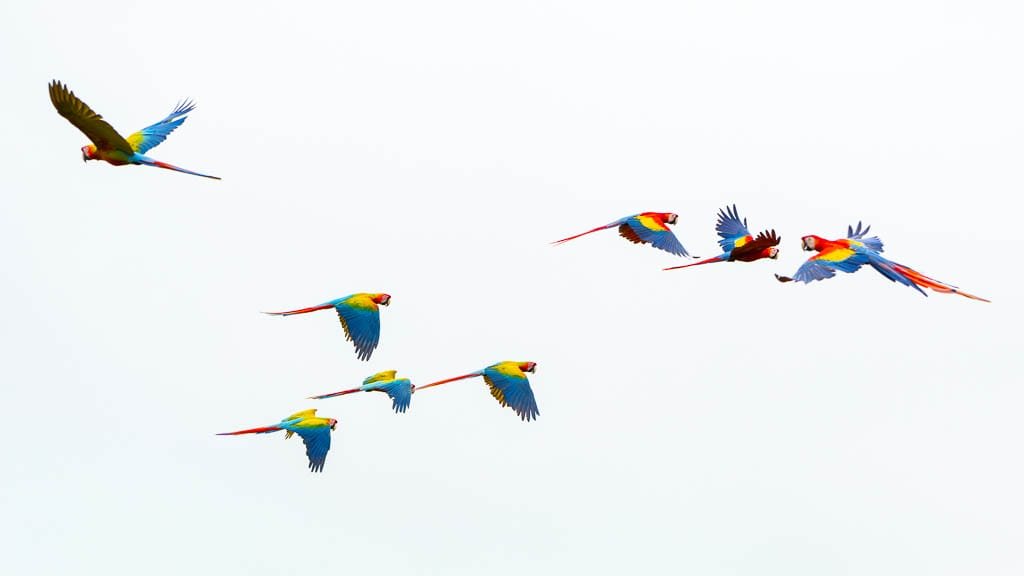
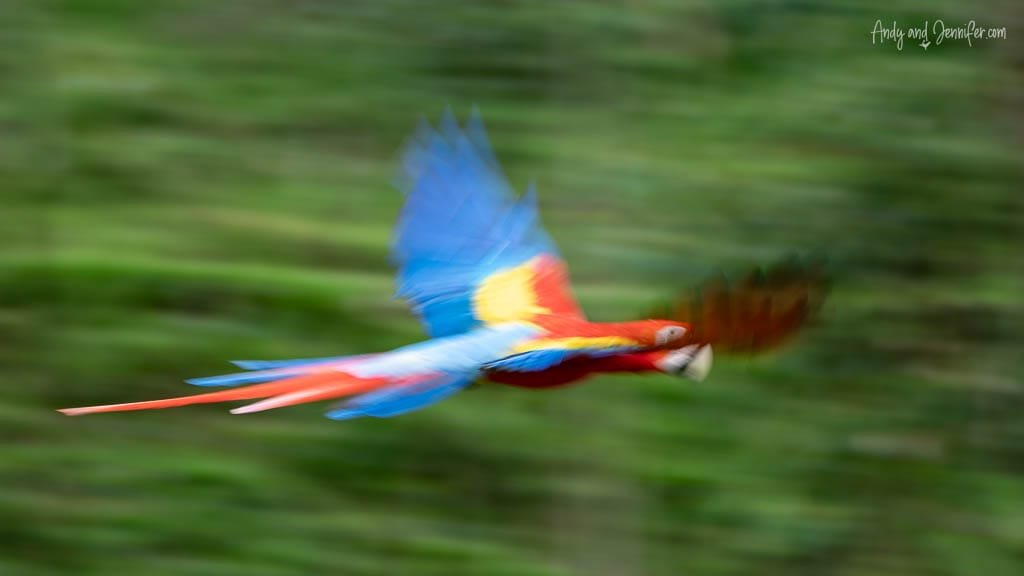
We gathered in what looked like a sports field, with feeding stations positioned at either end. The birds started at one end while a staff member stood at the other and called them over. When they responded, they flew directly across the field, passing right over us.
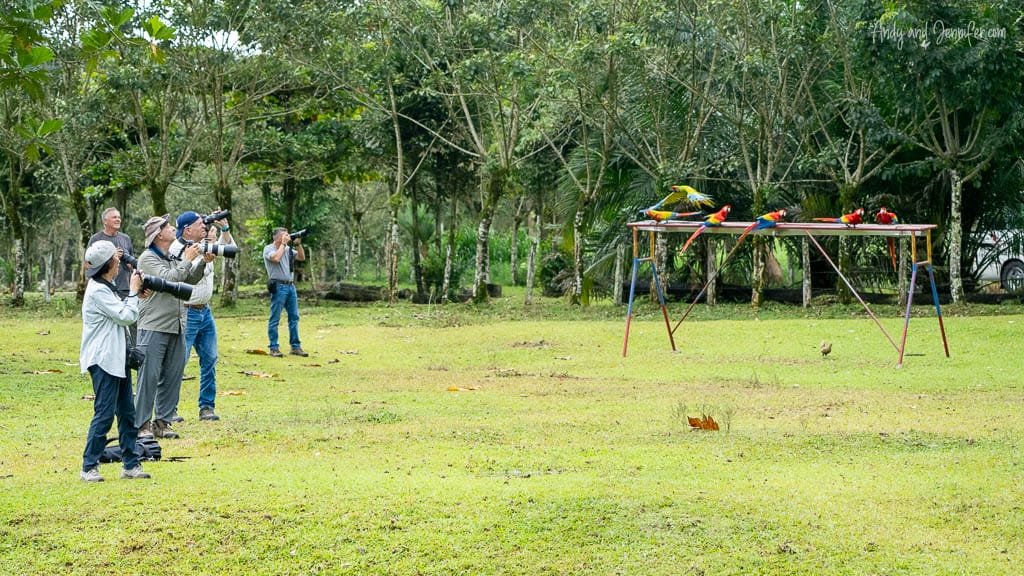
We stood in the middle trying to photograph them in flight.
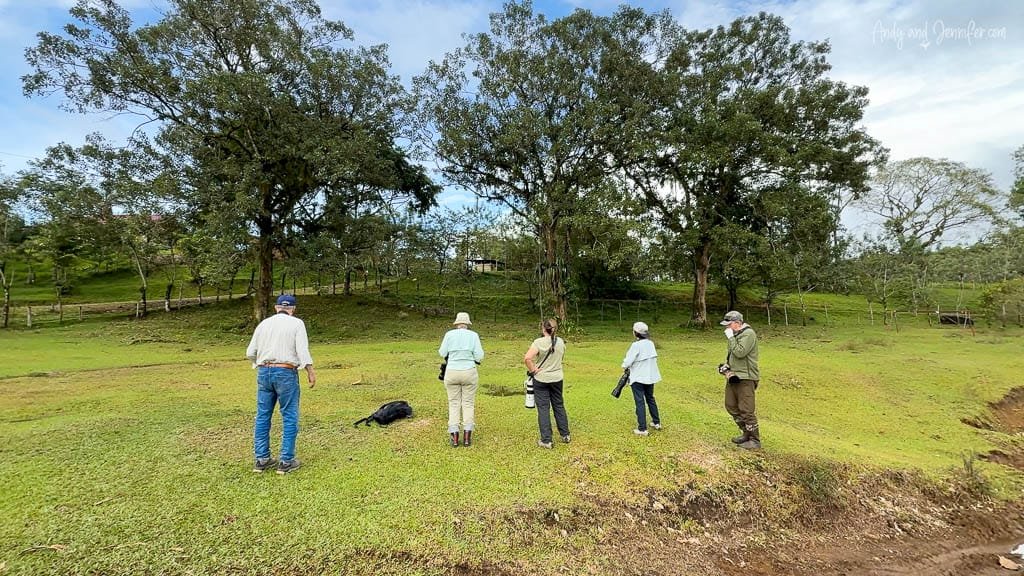
On paper, this should have been easier than photographing something like a hummingbird. Macaws are large birds moving along a relatively predictable path. In reality, it was much harder than expected.
Panning smoothly while tracking a fast-moving macaw takes practice, and it quickly became clear that this was not a skill we’d spent much time developing. Still, it was fun, and with enough attempts we managed to capture a few images that were in focus.
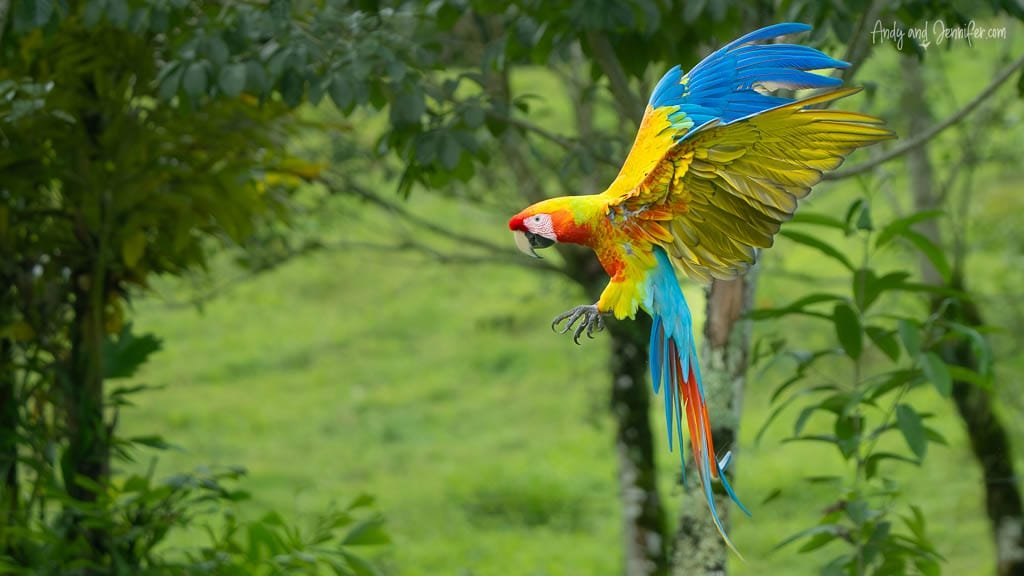
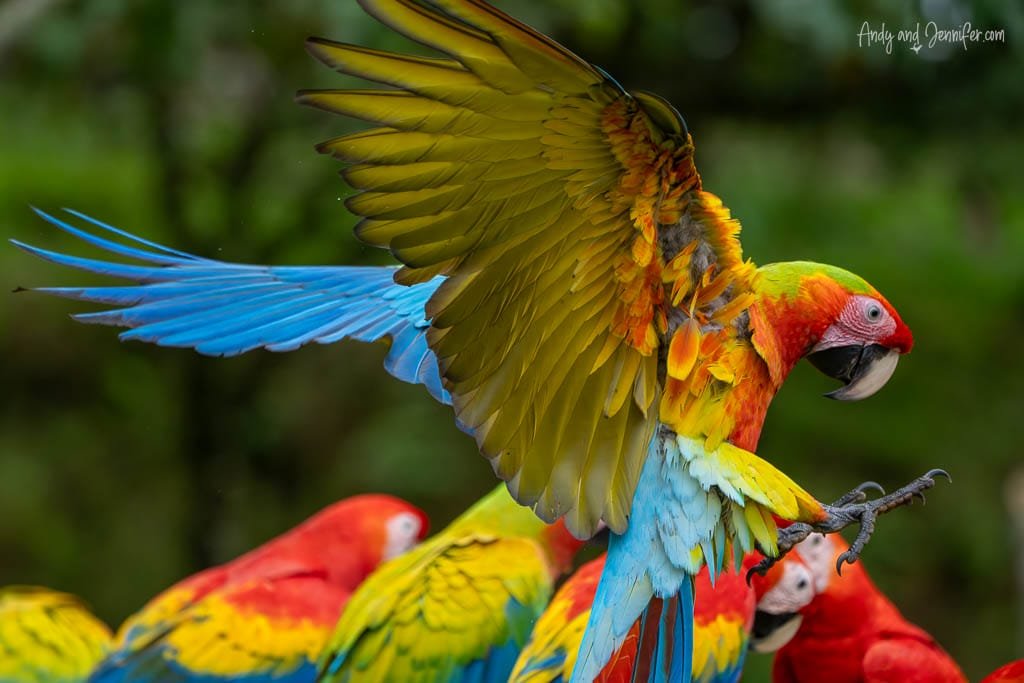
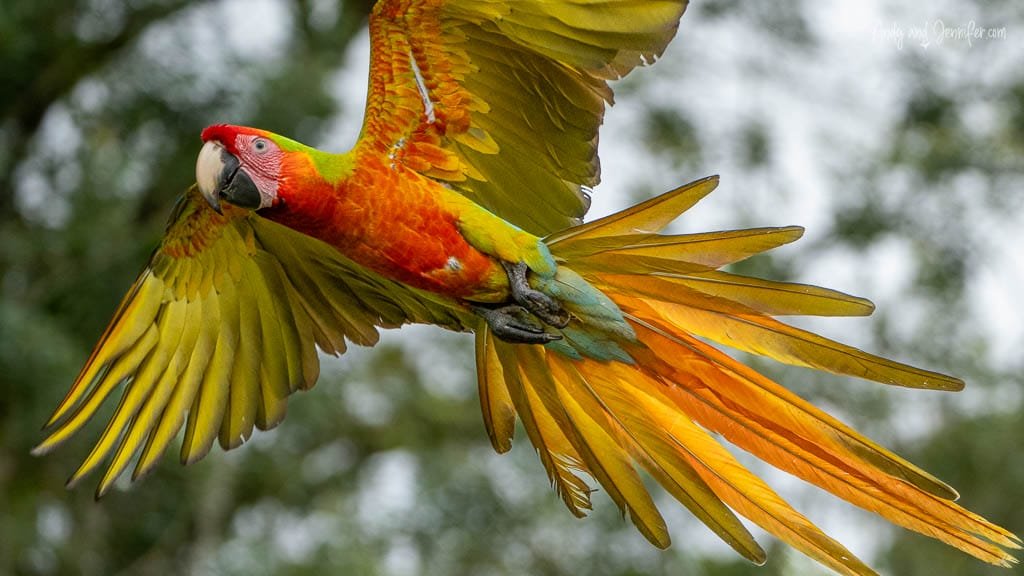
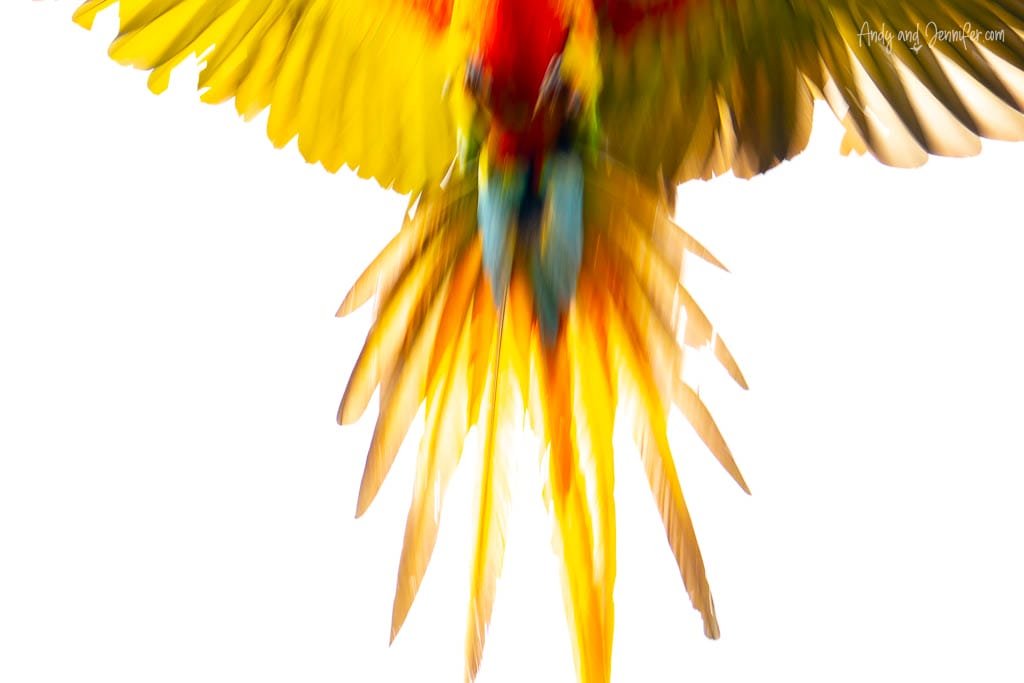
And also some that were more… artsy.
Capuchin Monkeys and Macaw Portraits
After the flight session we moved to another area of the property, where the experience was completely different.
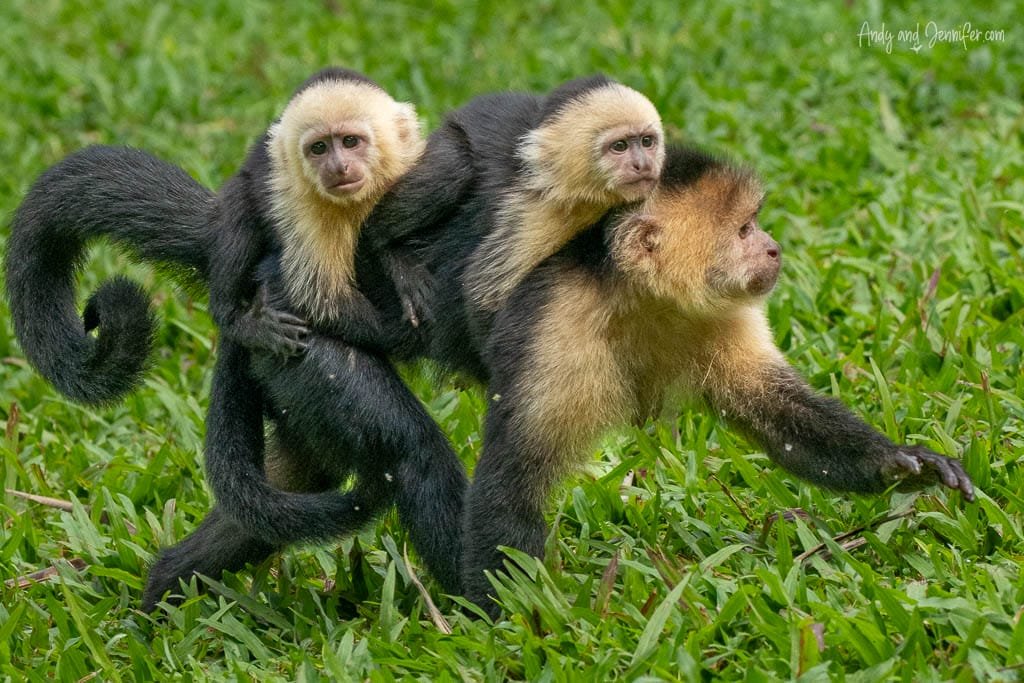
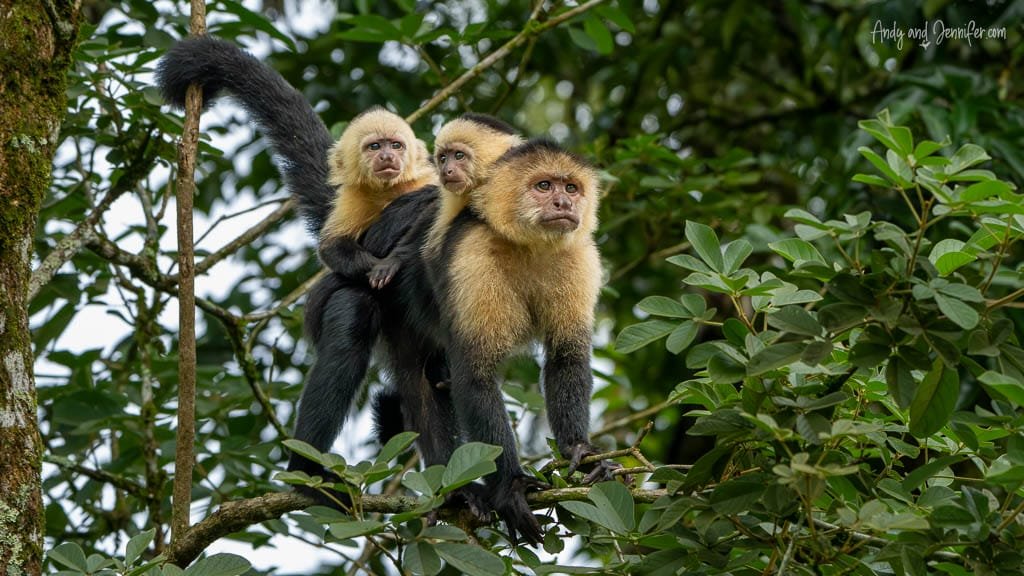
We spent some time photographing capuchin monkeys, including one carrying two babies on her back. This was our first monkey on this tour, and we’d also never seen one carrying two before.
Eventually the macaws made their way into this area as well, giving us the chance to photograph them perched as well as clambering together around a tree, using their bills and feet to hang from the trunk and branches.
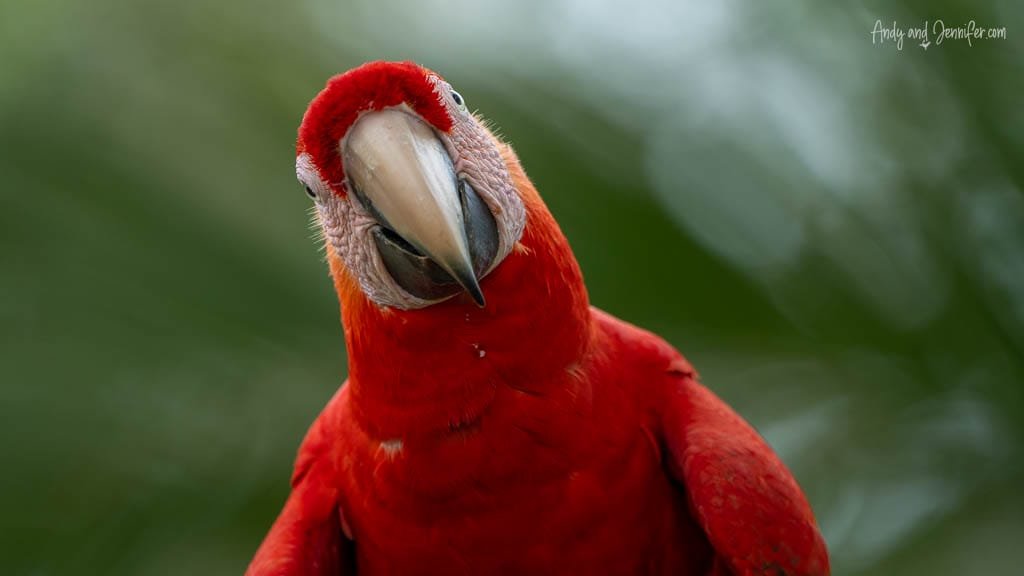
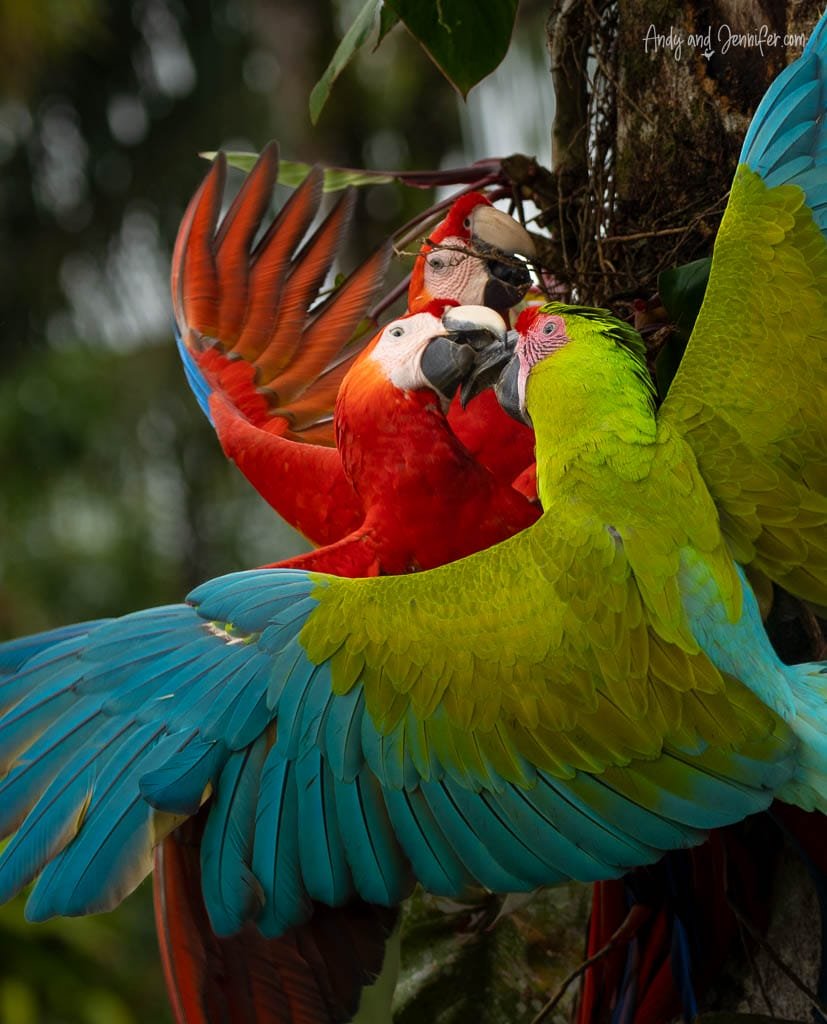
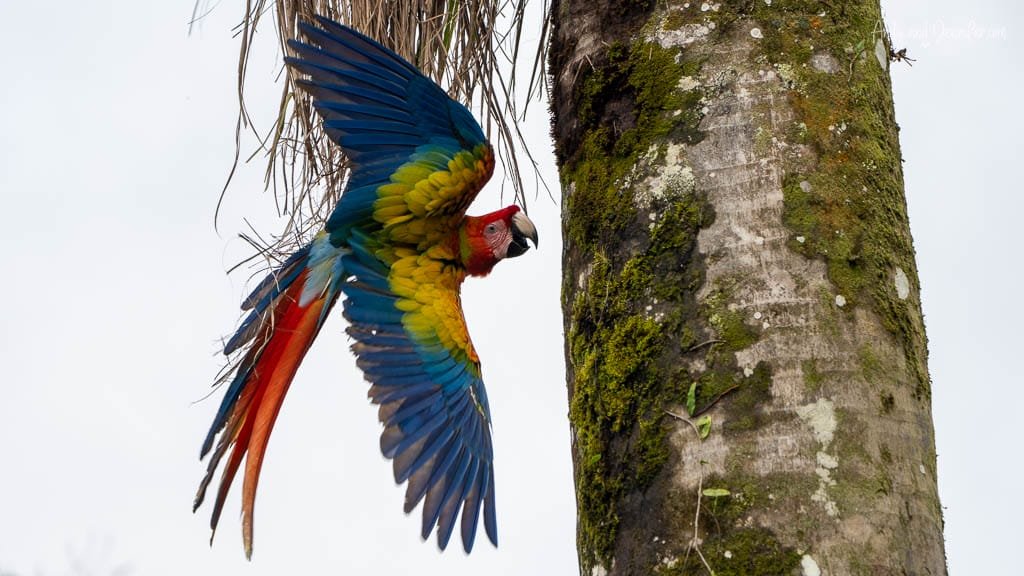
After the chaos of trying to track them in flight, this felt considerably more manageable.
Bird Photography at Donde Cope
That afternoon we visited Donde Cope, a private garden set up specifically for bird photography.
Fortunately the photography area was covered because the rain arrived not long after we did. Even with the shelter, conditions were quite dark. There were birds visiting the feeders, but the lack of light made photography challenging.
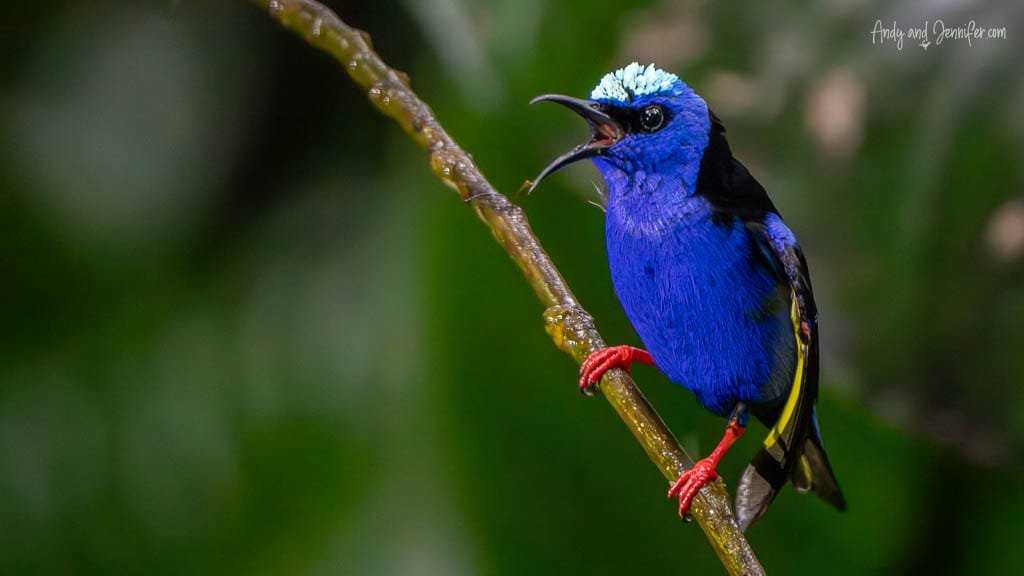
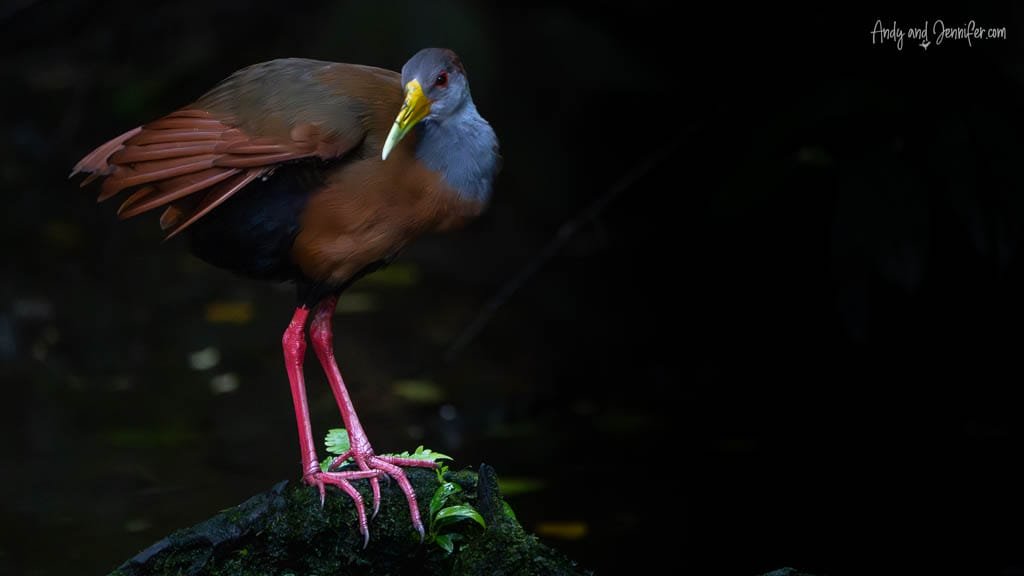
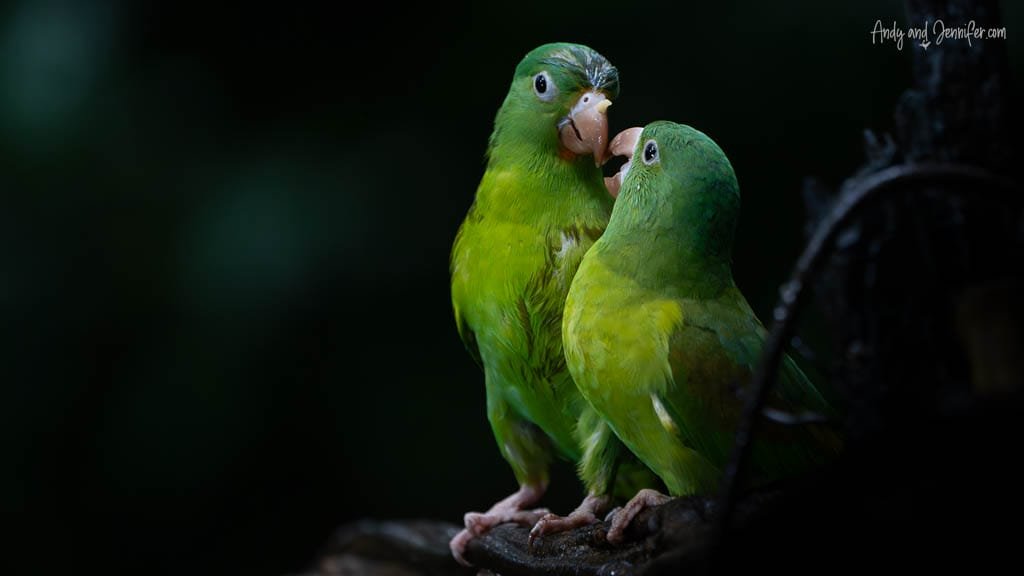
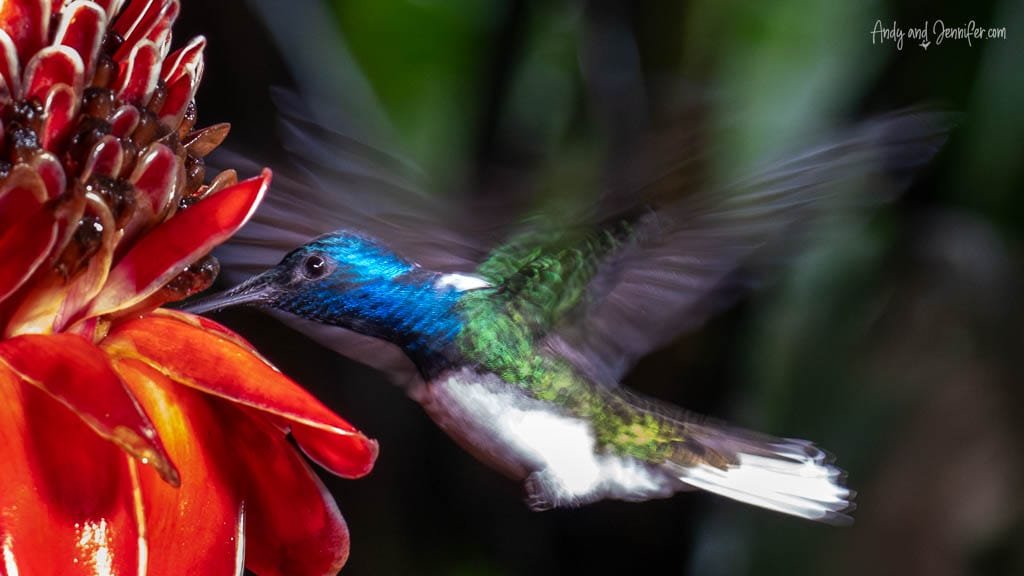
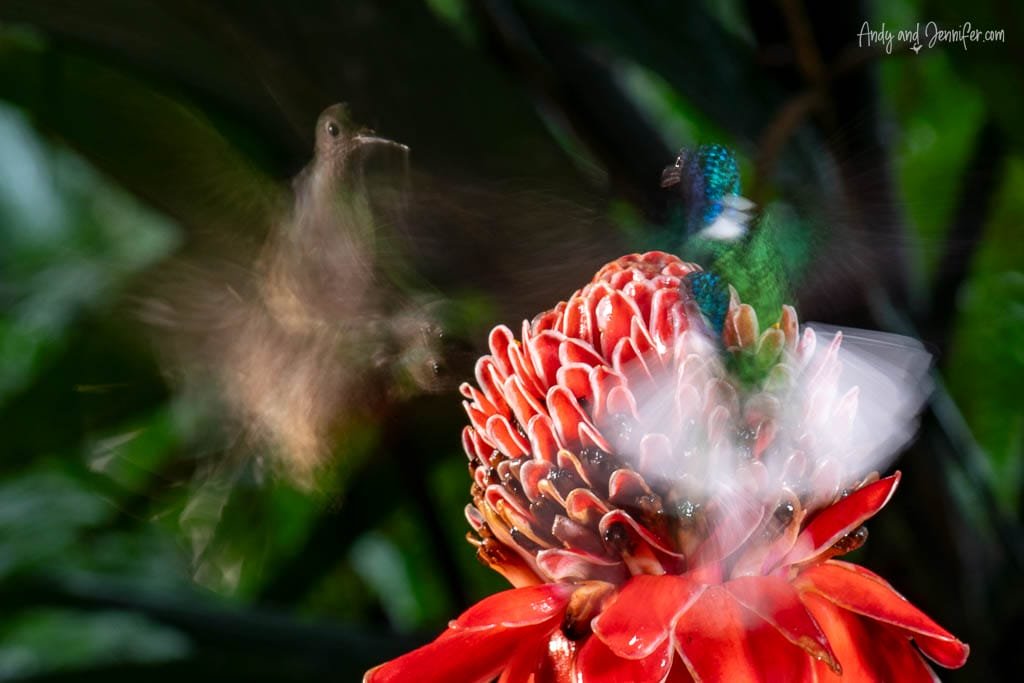
Rather than fighting the conditions, we shifted our attention back to hummingbirds, which were more forgiving subjects in the low light.
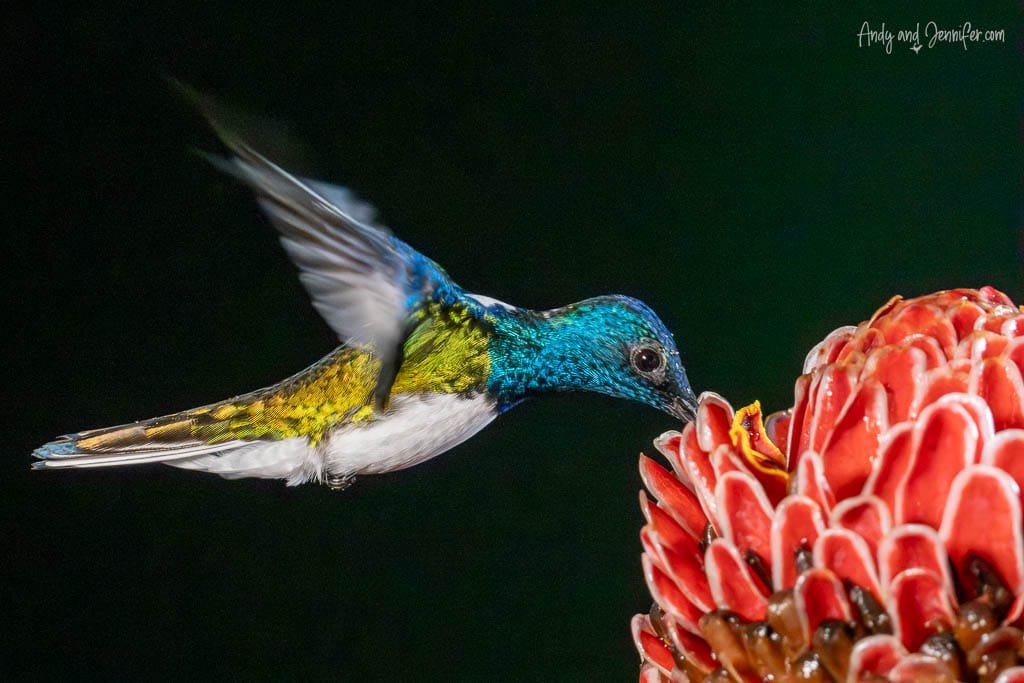
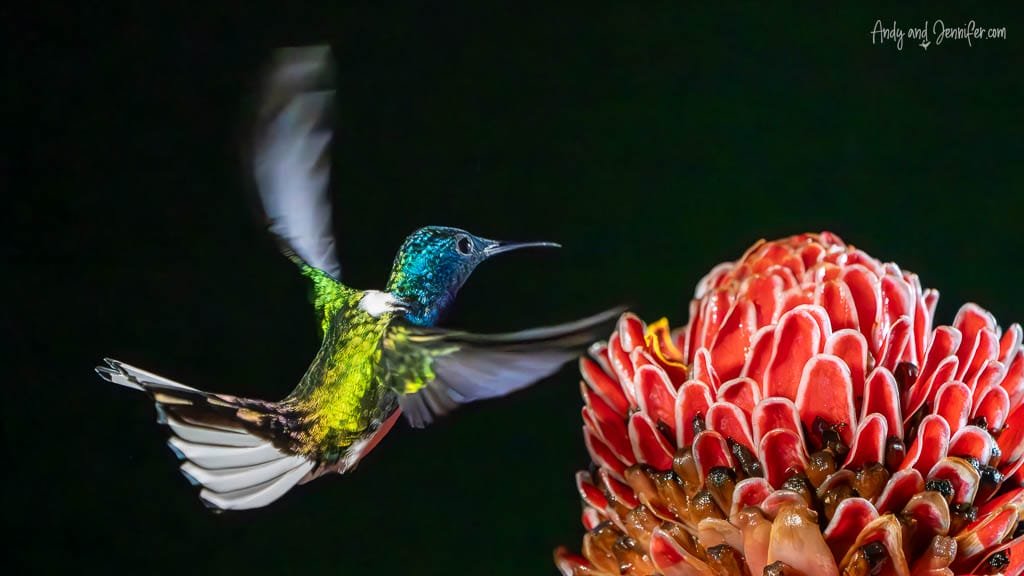
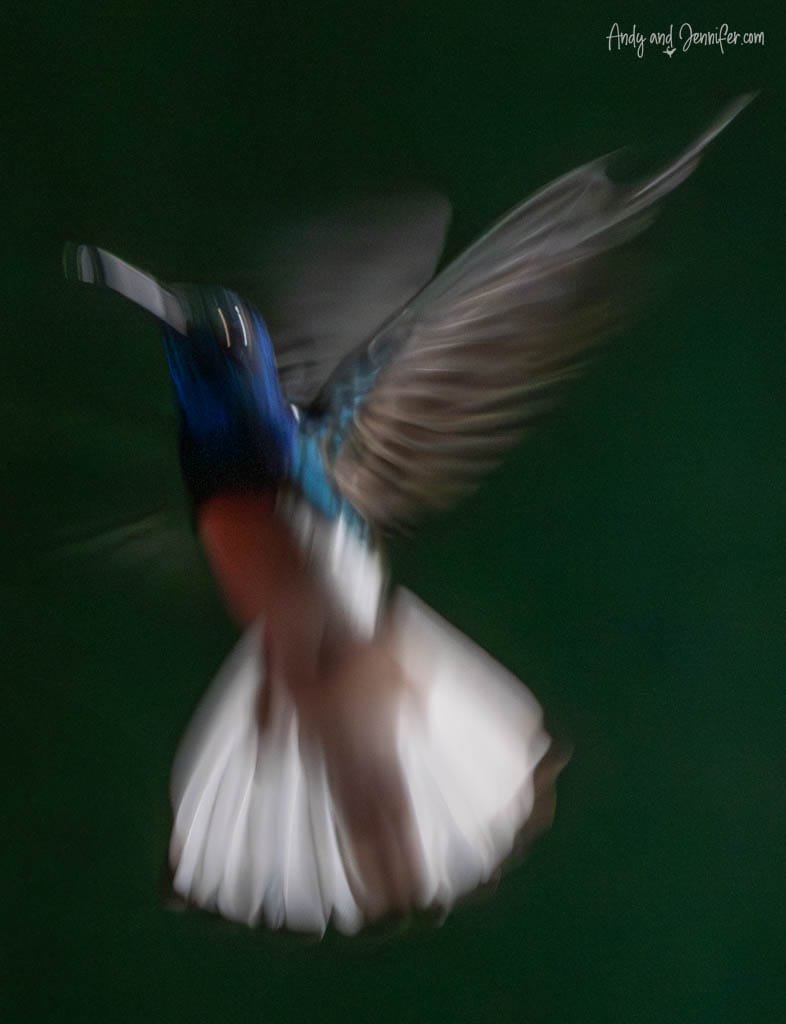
We also tried some long exposures, making the Jacobin hummingbird tail feathers almost look like Degas dancer skirts.
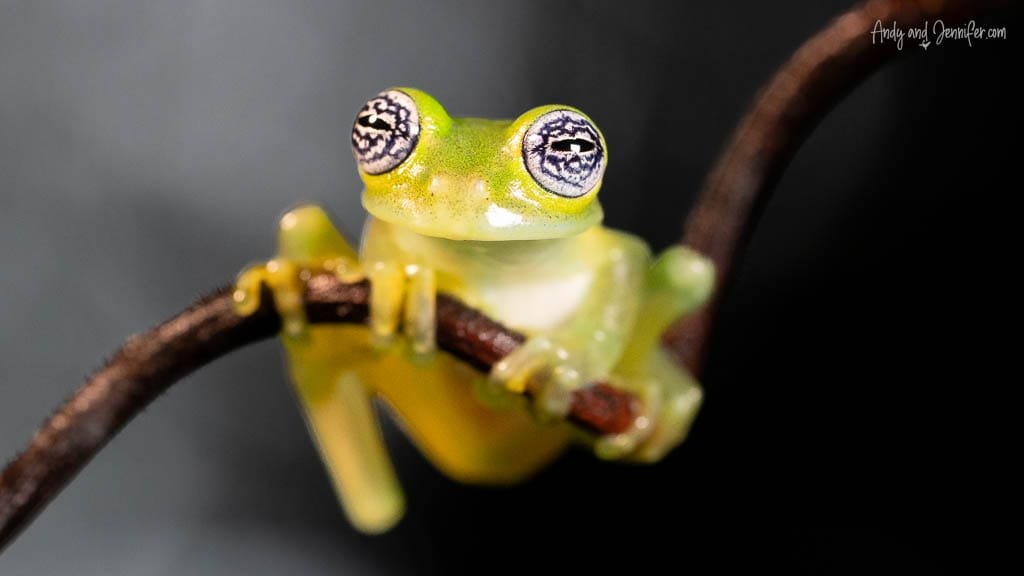
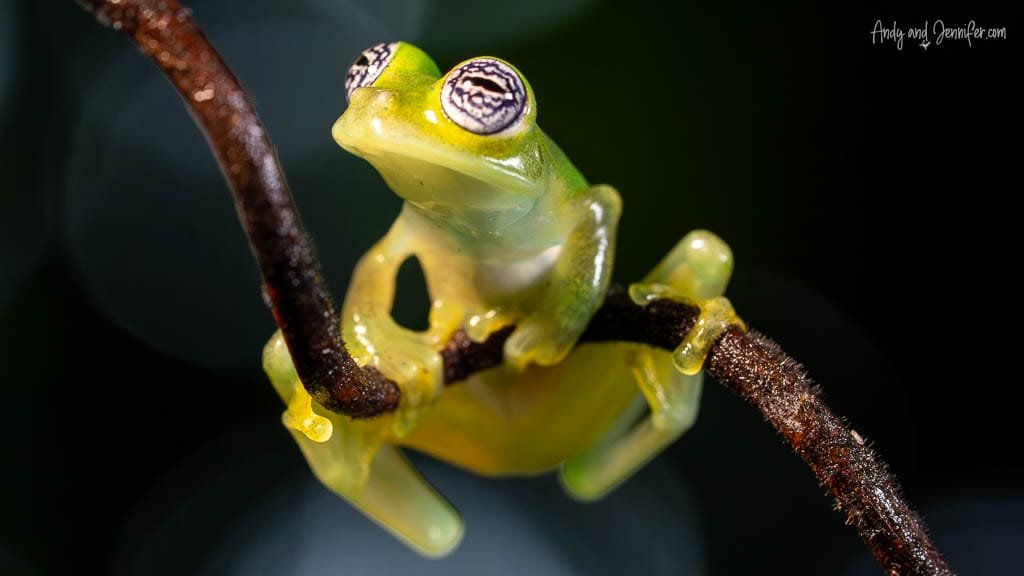
And lastly, we found a very small and very patient emerald glass frog.
Next up –> Birding at Laguna Lagarto

We’re Andy and Jennifer—two former corporate executives who chose long ago to prioritise experiences over stuff while pursuing our passions for travel and photography. From the Arctic to Antarctica, and most places in between, we’ve captured the world through our lenses and love sharing those stories. Our careers gave us the means, but our purpose is inspiring others to explore and helping people create images they’re proud of.