
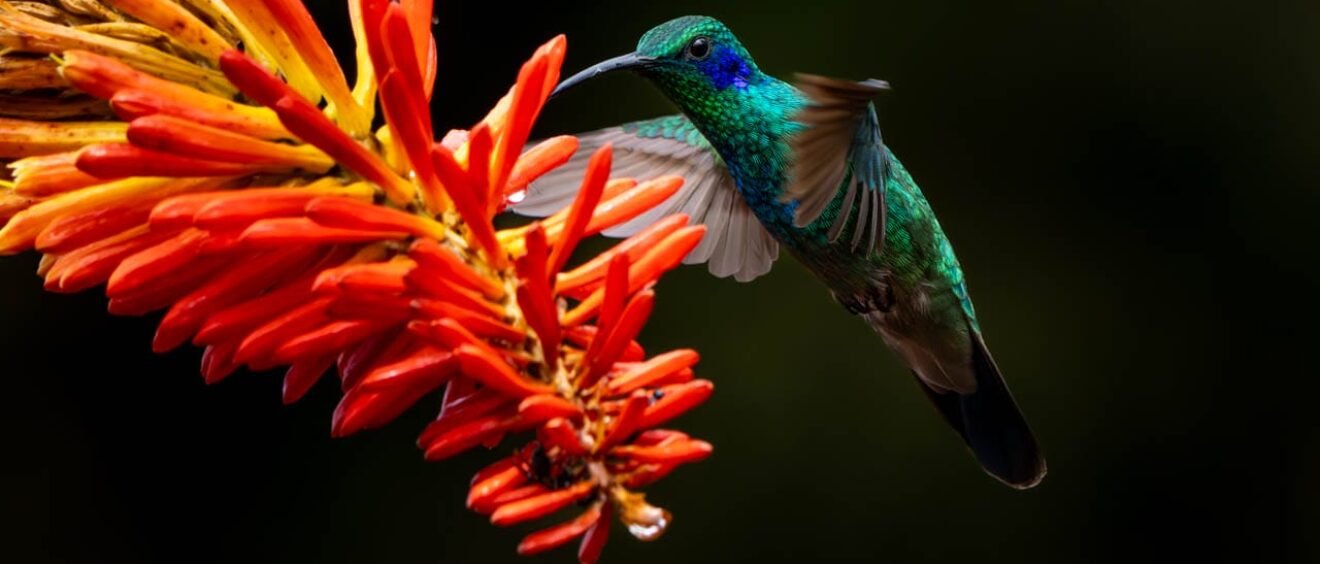
Hummingbird Flash Photography at Paraíso Quetzales and Another Look at the Resplendent Quetzal
- Flying Sansa from Bocas del Toro to San Jose, Costa Rica
- Hummingbird Photography in San Gerardo de Dota
- Savegre Valley Bird Photography - Hummingbirds and the Resplendant Quetzal
- Hummingbird Flash Photography & Resplendant Quetzal
- Rancho Naturalista - Snowcap Hummingbirds & Bats
- Selva Verde - Bird, Frog & Macaws
- Birding at Laguna Lagarto
- King Vulture Hide
- Snake & Frog Photography (a.k.a. "herping")
- From Costa Rica to the Galapagos
The plan for the day included two main activities: a hummingbird flash photography session at Paraiso Quetzales in the morning and another visit to the quetzal viewing area in the afternoon.
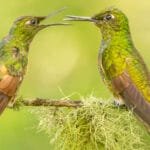
We headed up to the feeders around 6am. It was a little dark in the forest, which made for some interesting images.
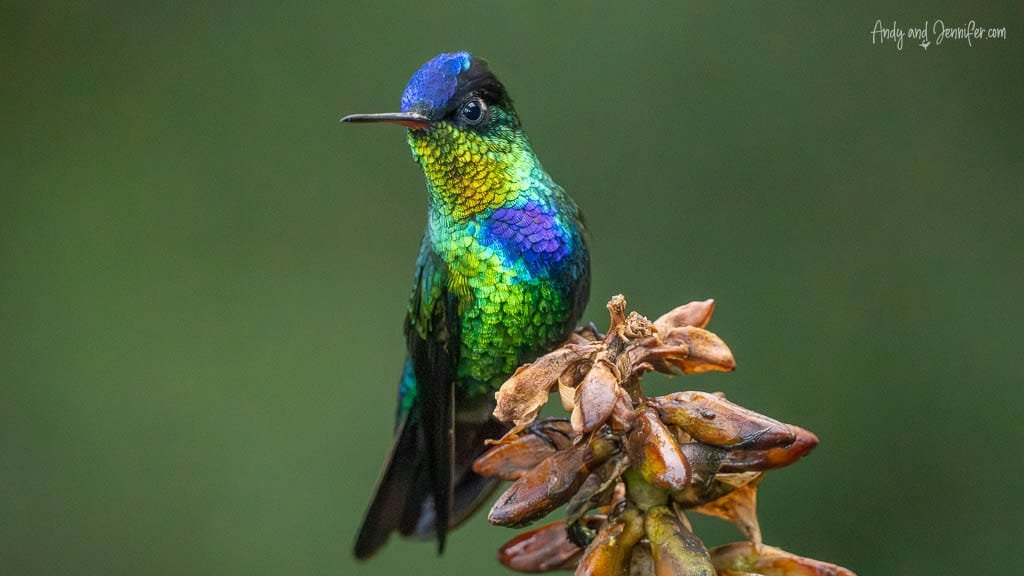
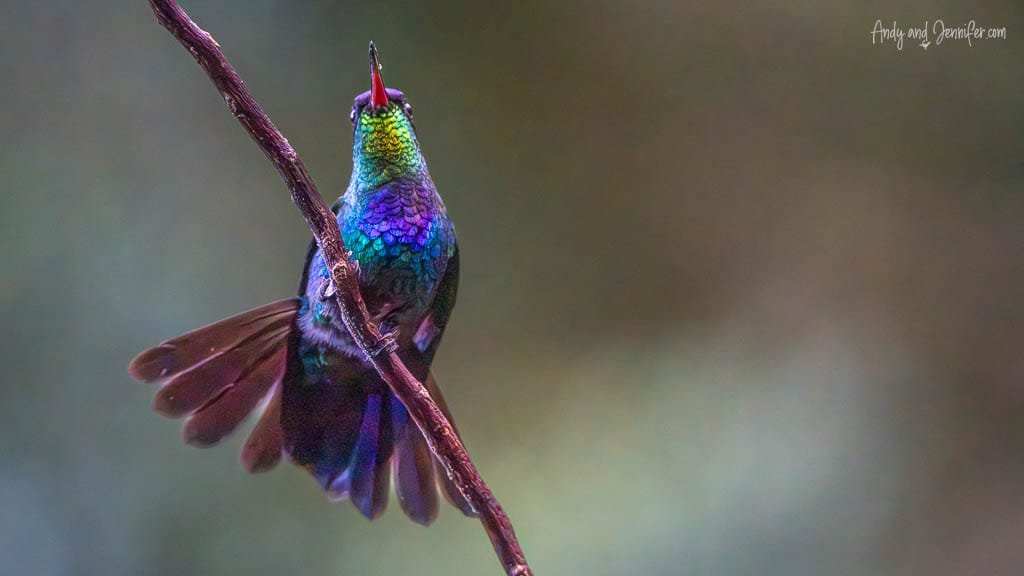
After breakfast we climbed into the van and drove a short distance down the hill to Paraíso Quetzales. In reality we probably could have walked there since the lodge sat just below Mirador de Quetzales and had been visible from our room the entire time.
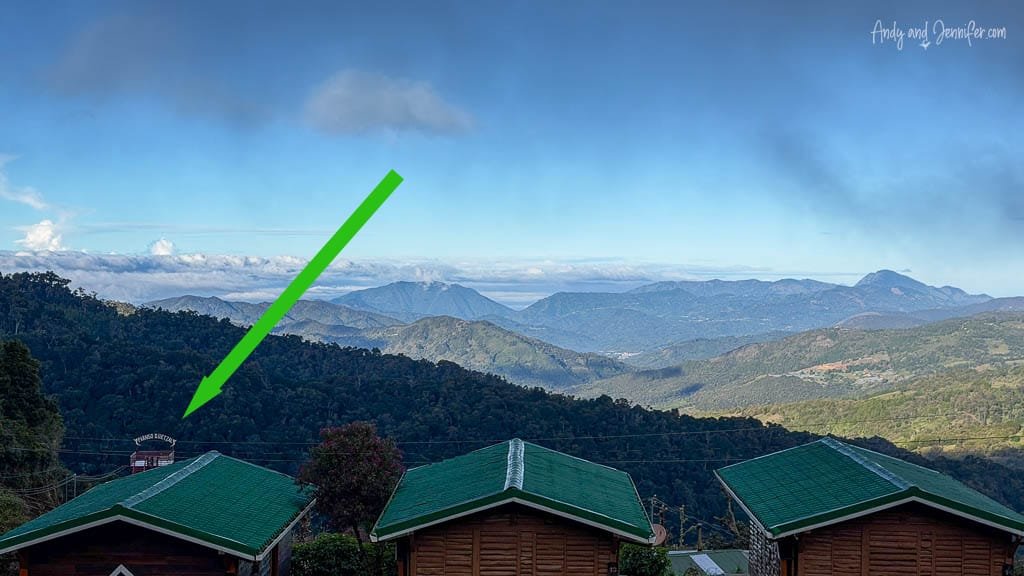
Paraíso Quetzales
Paraíso Quetzales has built an impressive setup specifically for bird photographers.
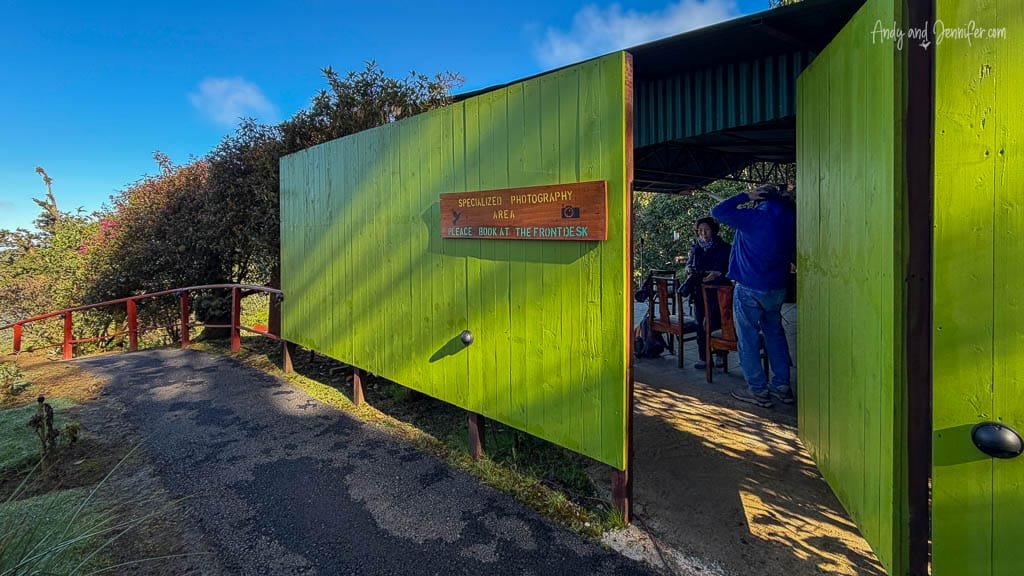
The photography area is private, covered overhead, and open on two sides so both the birds and the natural light can move freely through the space. Our group split into two smaller groups. One started at the flash photography station while the other wandered through the gardens, and after about an hour we swapped.
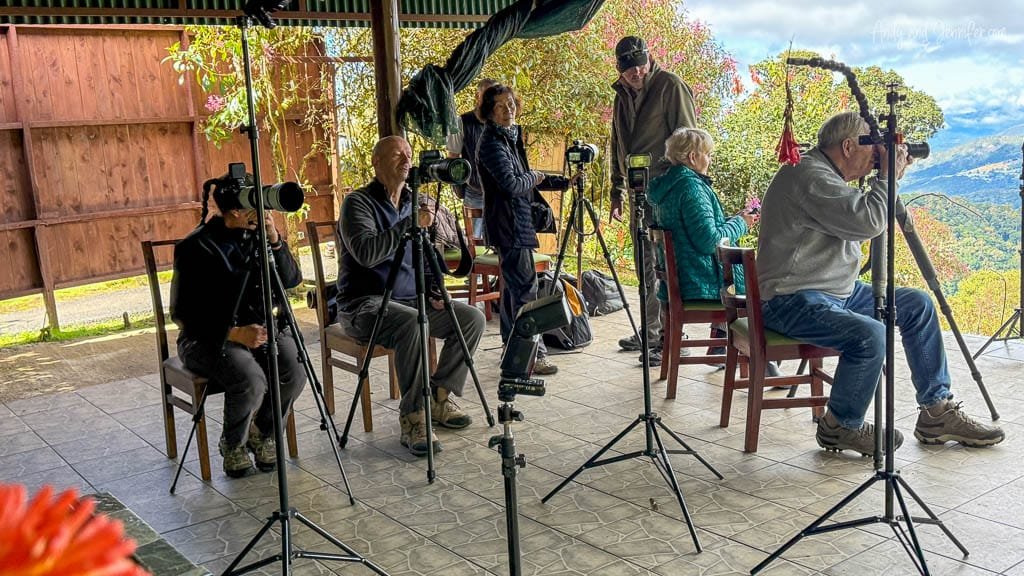
For the flash setup there were four photographers at a time, although we further divided into pairs across two different stations. Each station had a flower positioned in front of either a backdrop or a natural background, with multiple flashes arranged around it. The idea was simple in theory: place your camera on a tripod, frame the flower, wait for hummingbirds to arrive, and then trigger the shutter with a remote.
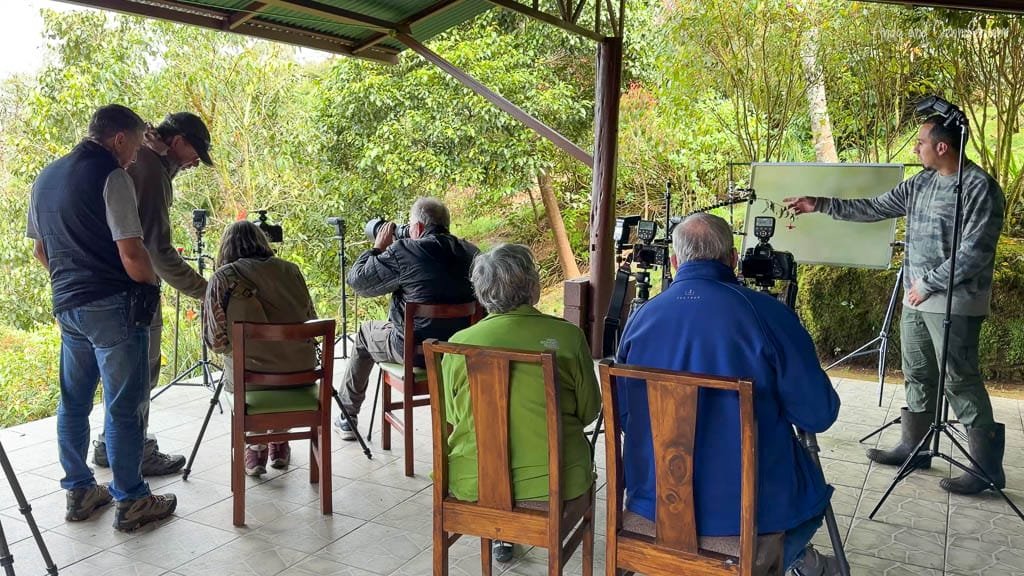
Because there were two people at each setup, it took a few minutes to figure out how to work together. But once you figure it out, it’s easy.
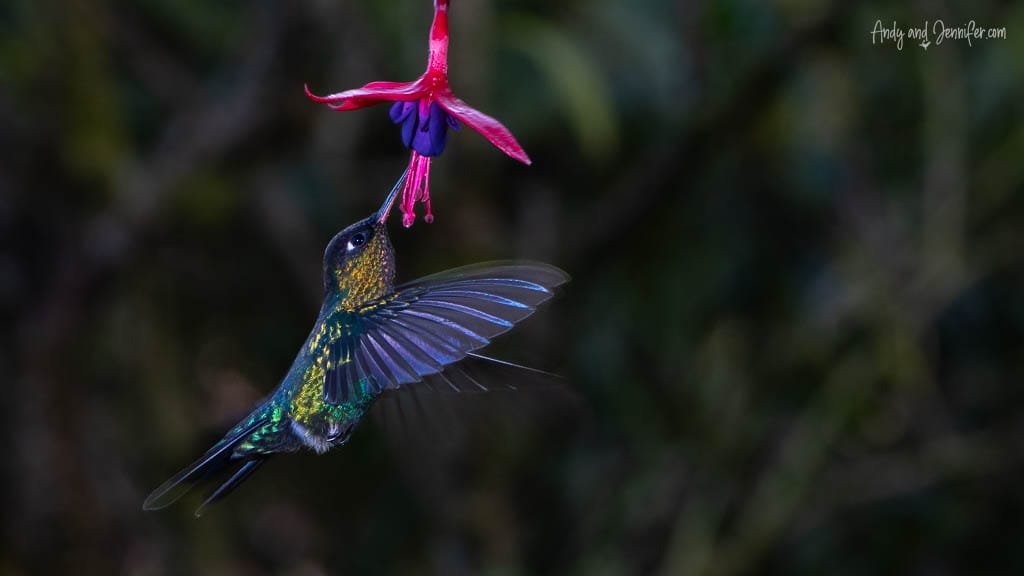
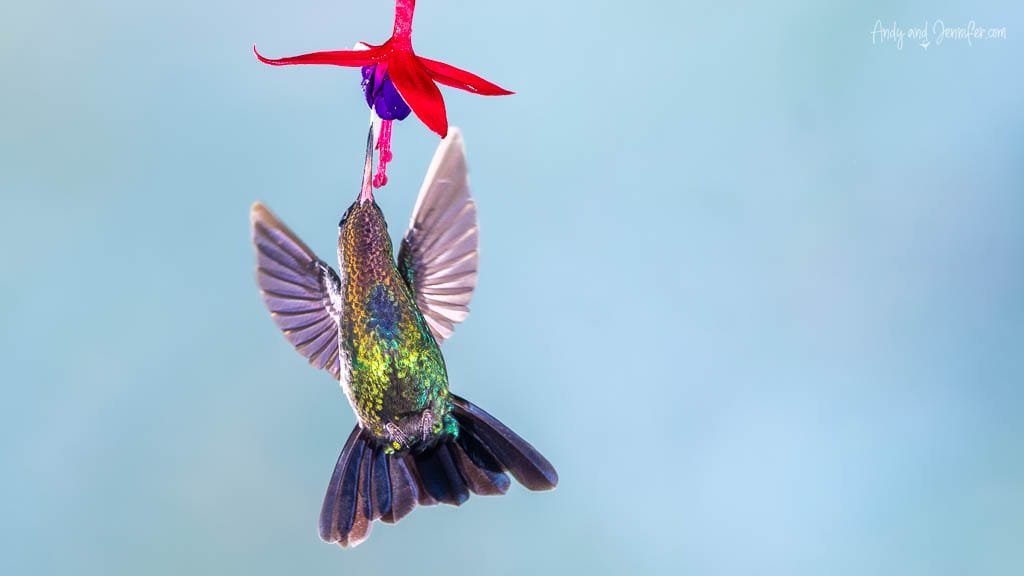
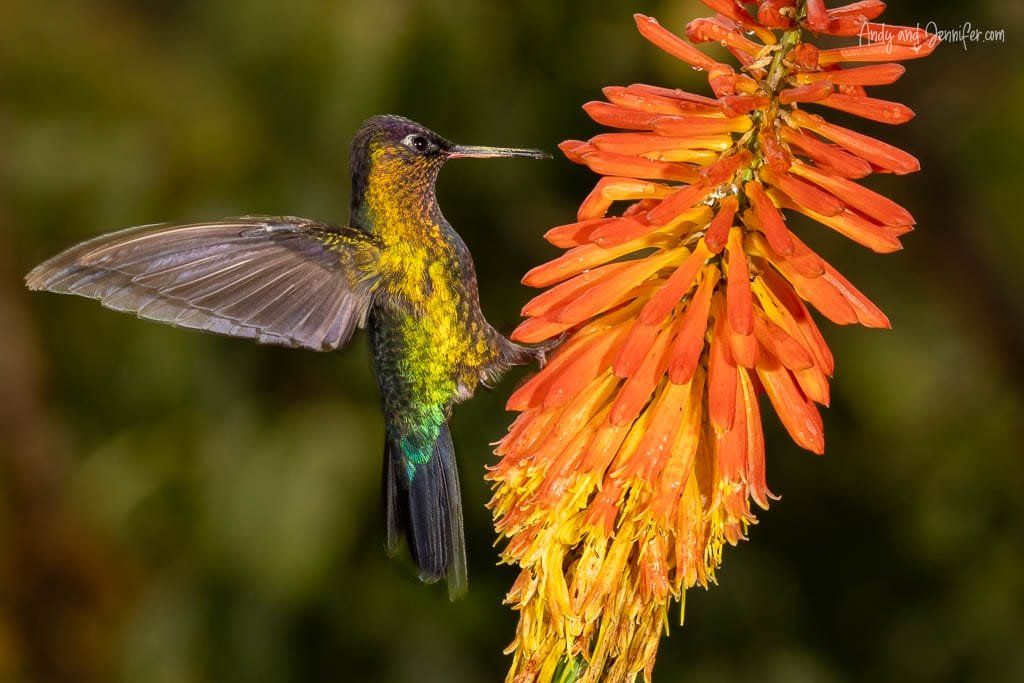
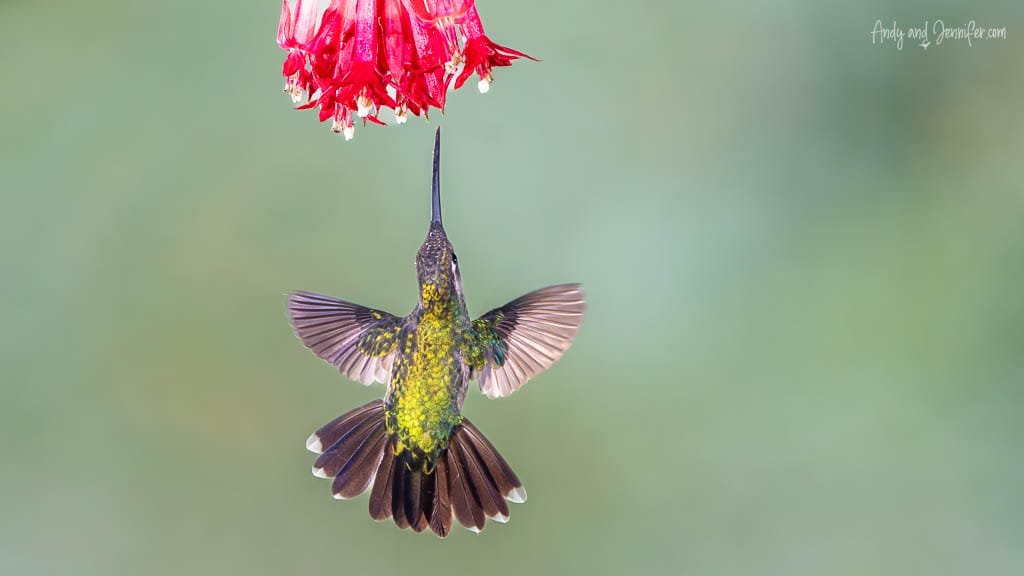
The flashes freeze the hummingbird wings completely in mid-air. It’s an interesting effect, but I think I prefer photographs where the wings show a little motion blur, since that feels much closer to how we actually experience hummingbirds in real life.
The Gardens at Paraíso Quetzales
While the flash photography area was impressive, the gardens themselves were just as enjoyable. The property is full of flowering plants that attract a wide variety of birds, not just hummingbirds. Andy even managed to spot a chlorophonia.
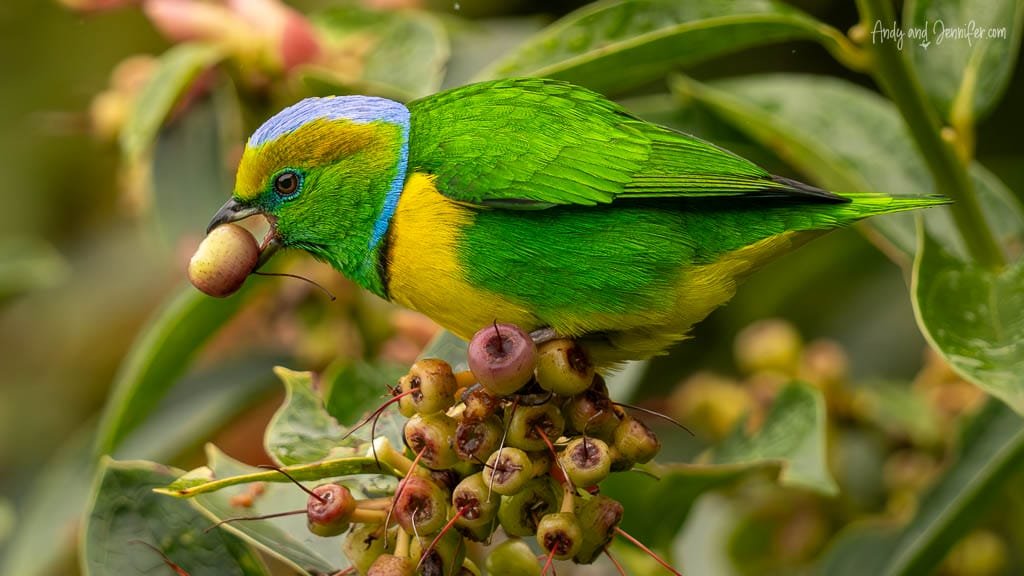
Near the restaurant, a large hummingbird feeder created a constant stream of activity. It was one of those places where you could easily spend hours simply watching birds come and go.
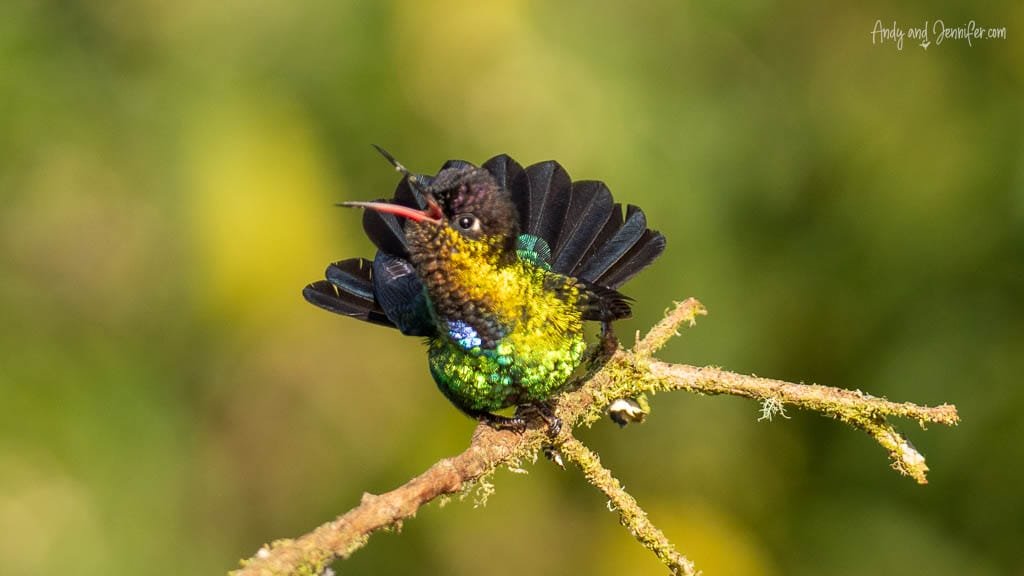
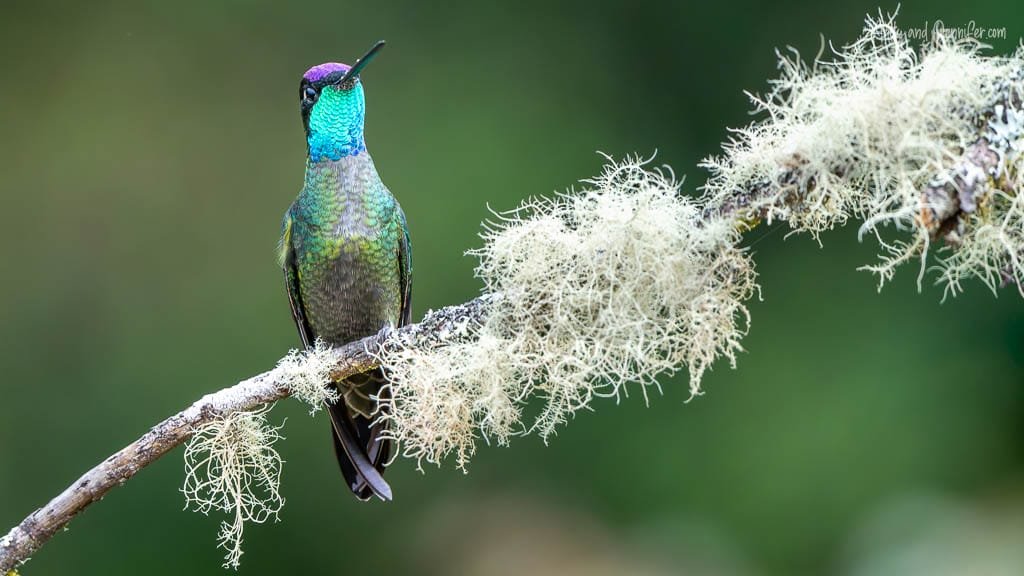
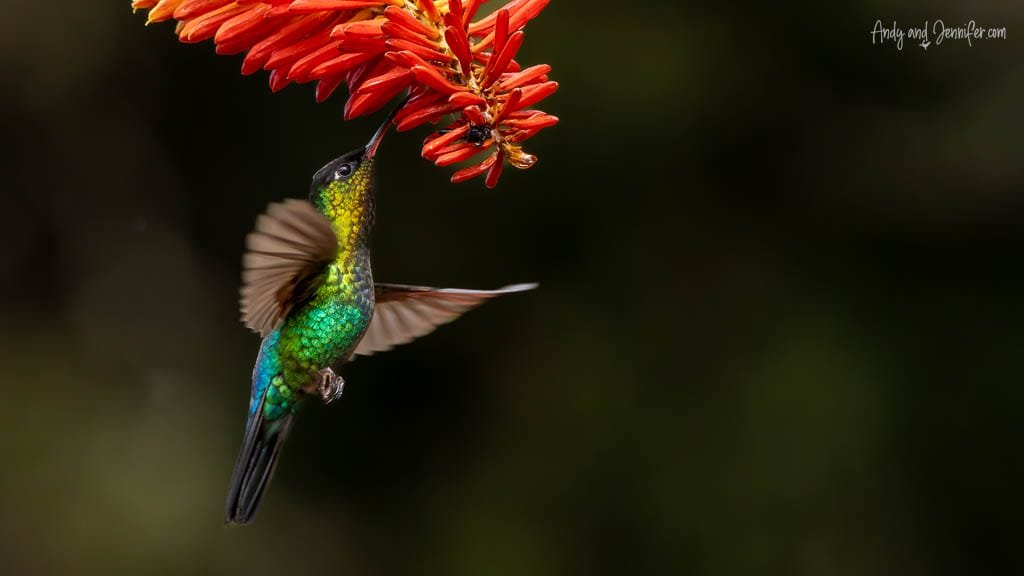
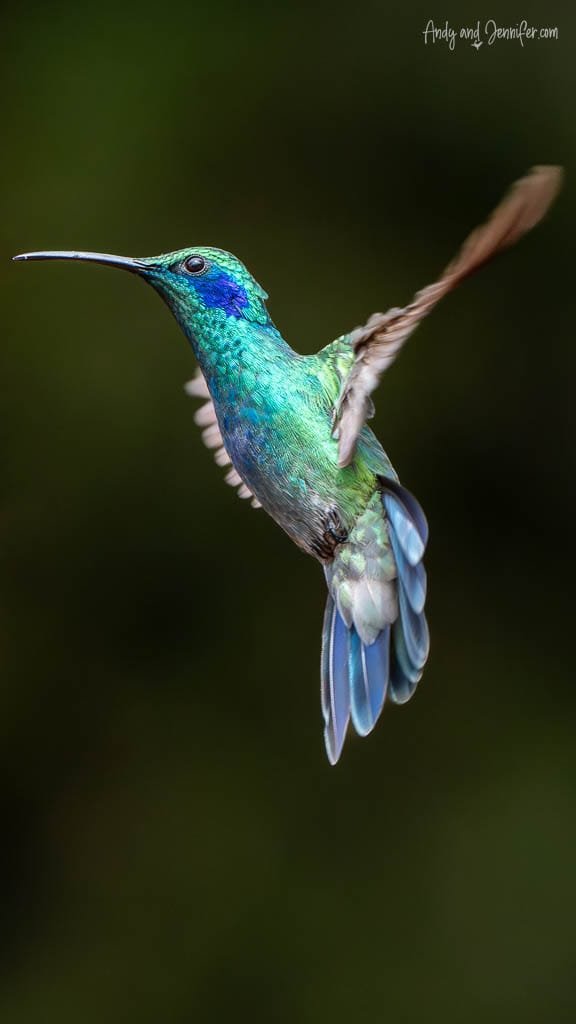
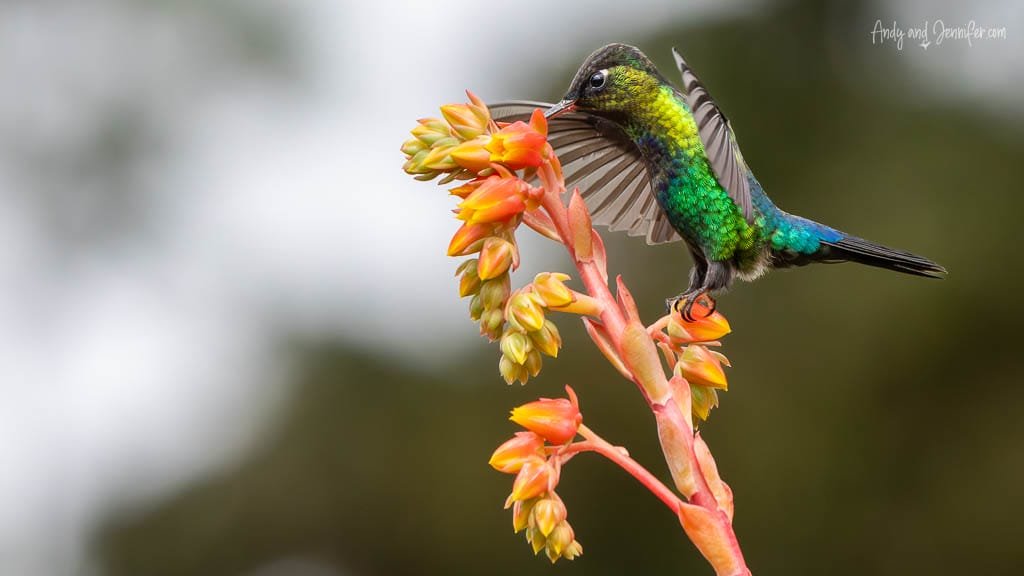
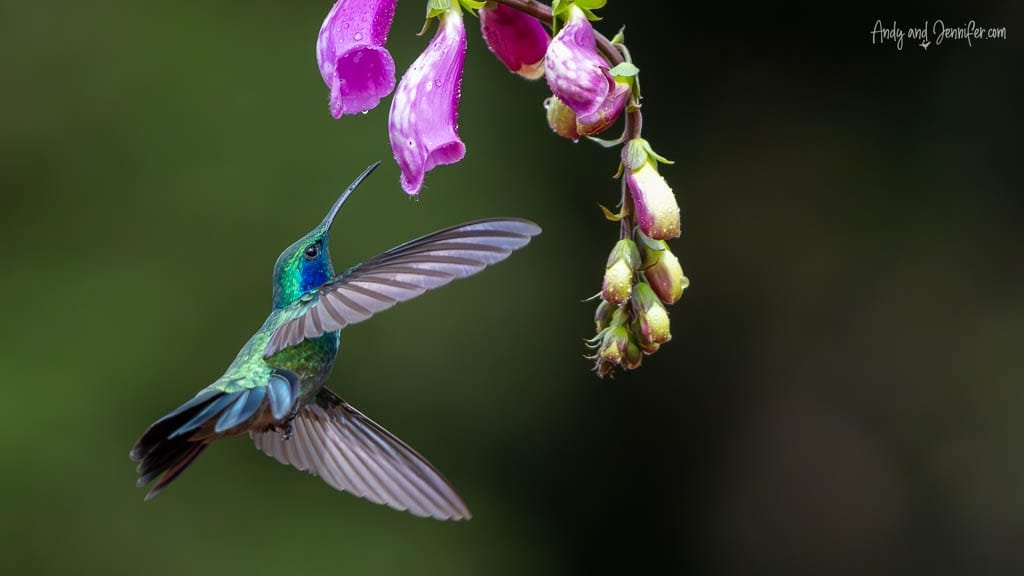
Tour groups passed through occasionally, but they usually stayed only a short time before moving on. If we return to the Savegre Valley in the future, this is definitely somewhere I would plan to visit again.
Another Visit to the Quetzals
After lunch we returned to the same quetzal viewing area we had visited the previous day.
There were fewer people this time, which made the experience feel much more relaxed. Rain drifted through the cloud forest on and off, but the breaks in the weather gave us several good sightings. For context, this is what it looks like without a zoom lens.
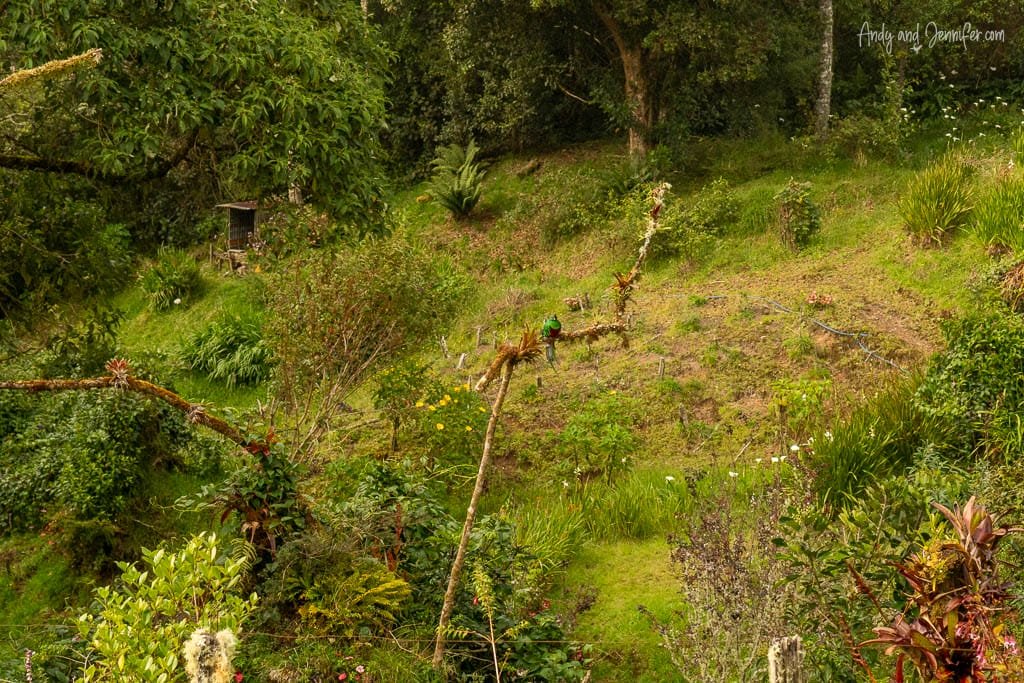
And this is what it looks like with a zoom lens. The majority of our shots were somewhere between 400 and 600mm.
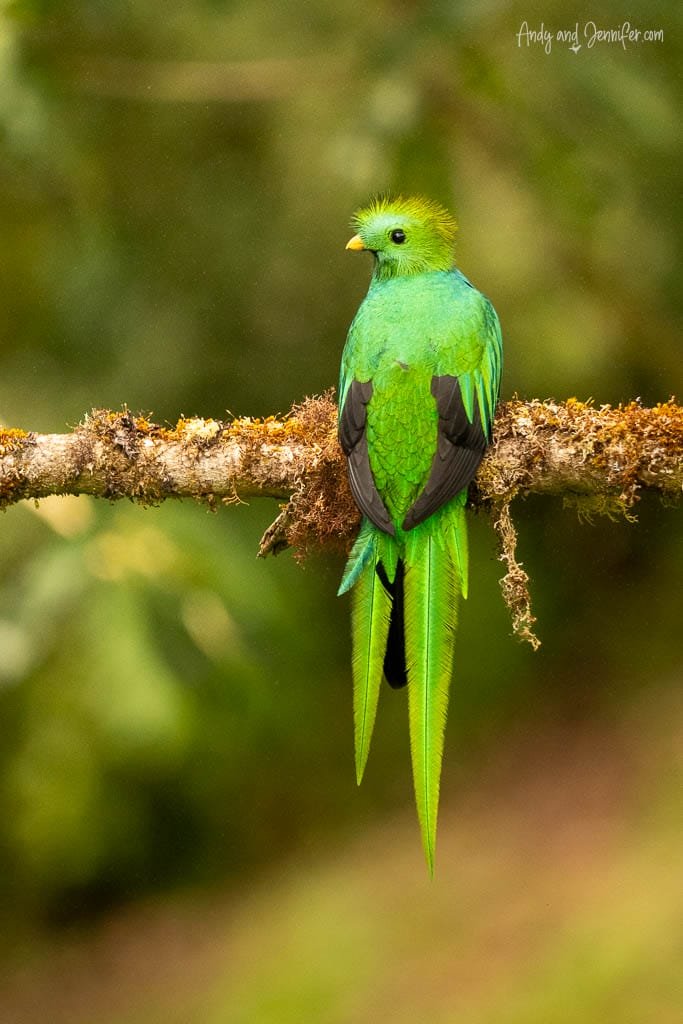
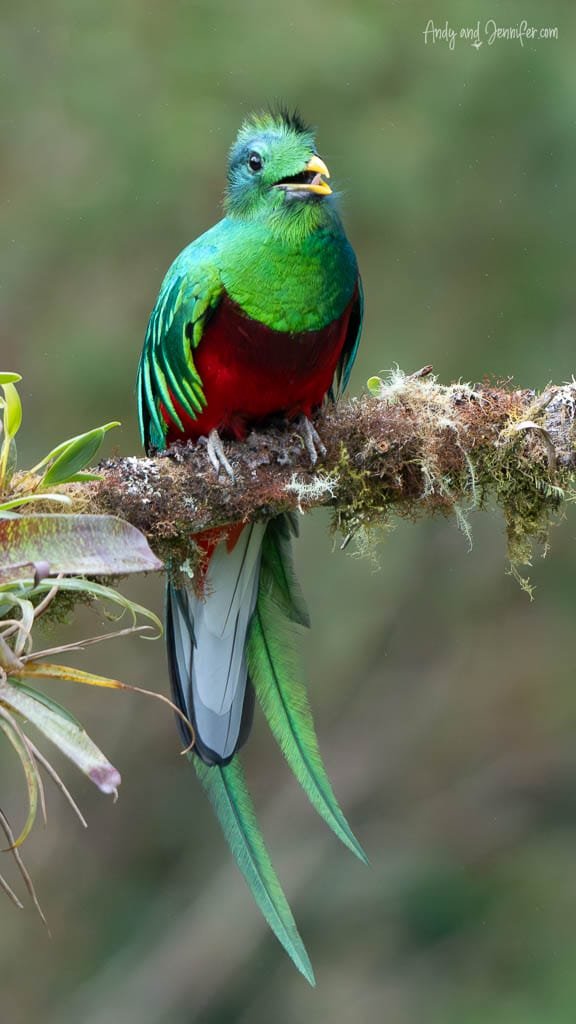
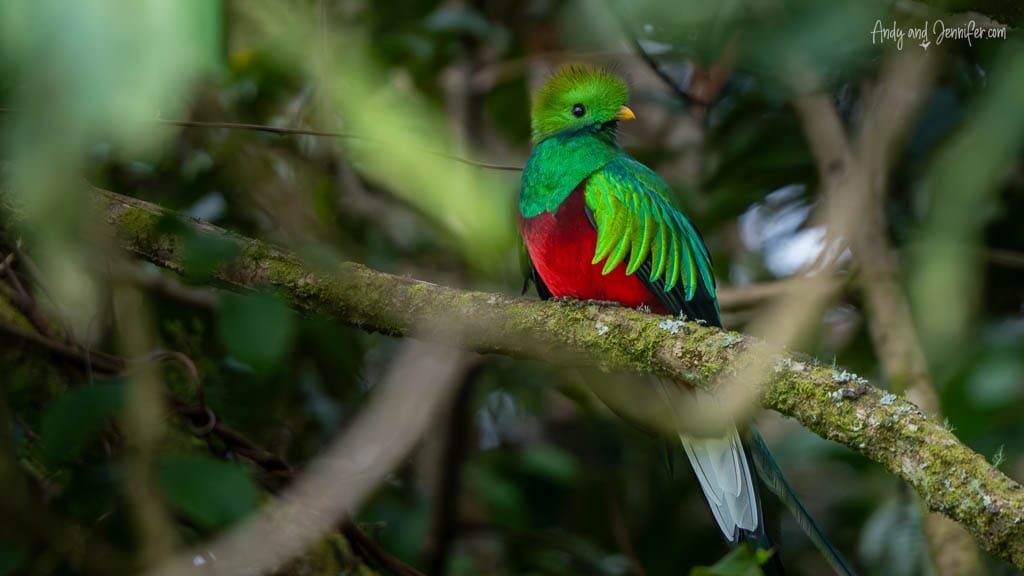
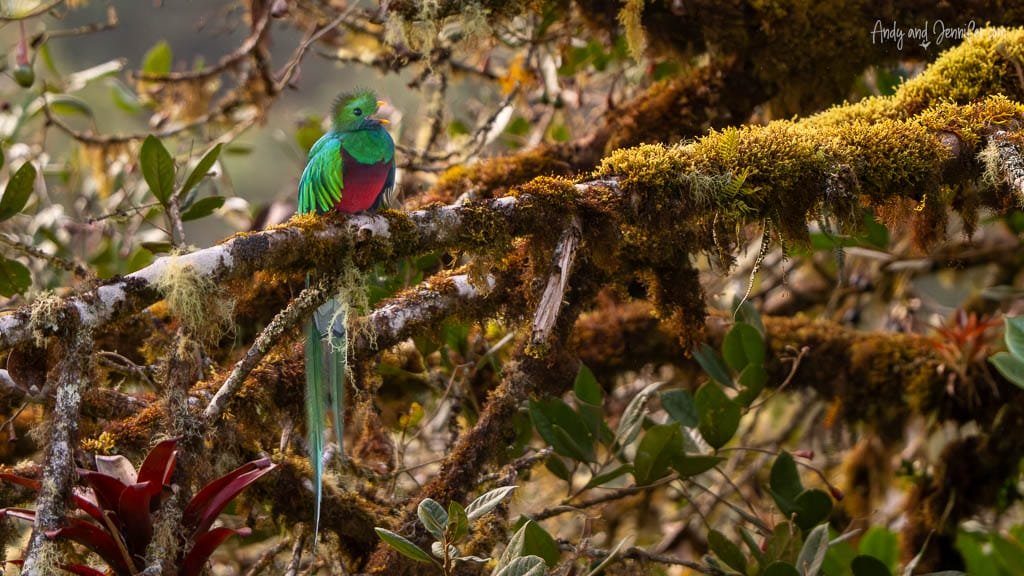
Resplendent quetzals have remarkably long tail feathers that trail behind them like streamers in flight, and watching those birds move through the canopy of Costa Rica’s Talamanca cloud forest never gets old. I’d love to come back during nesting season.
Next up –> Snowcap Hummingbirds and Bat Photography

We’re Andy and Jennifer—two former corporate executives who chose long ago to prioritise experiences over stuff while pursuing our passions for travel and photography. From the Arctic to Antarctica, and most places in between, we’ve captured the world through our lenses and love sharing those stories. Our careers gave us the means, but our purpose is inspiring others to explore and helping people create images they’re proud of.
Related Posts
 A Bucket List Trip to See the Brown Bears at Brooks Lodge
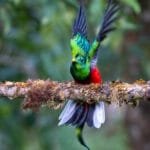 Savegre Valley Bird Photography and Searching for the Resplendent Quetzal
 The Great Apes of Uganda
 Exploring the Canadian Rockies: Canmore, Lake Louise, and Jasper
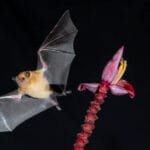 Snowcap Hummingbirds and Bat Photography at Rancho Naturalista, Costa Rica
 Bird Photography at San Jorge Tandayapa in Ecuador’s Cloud Forest