Puffins of Elliston: The Best Land-Based Puffin Viewing in Newfoundland
- Starry Skies and an Erupting Volcano
- How We Travelled from Kona to Vancouver Island: Flights, Ferries, and Travel Tips
- Driving to North Vancouver Island for a Day Trip to See Puffins at Triangle Island
- Wildlife Photography Tour in Port McNeill: Otters, Orcas, and Eagles with Anthony Bucci
- Taking the BC Ferry from Port Hardy to Prince Rupert
- Visiting the Khutzeymateen Grizzly Sanctuary
- Returning to Port Hardy by Ferry and a Whale Watching Stop
- The Eagle Show in Campbell River
- Wildlife Watching in Tofino: Whales, Bears, Otters and Puffins
- Snorkelling with Harbour Seals in Vancouver
- Travelling to Churchill to see Polar Bears
- Fireweed Island: Polar Bears and Belugas in Churchill
- Aqua Gliding with Beluga Whales in Churchill
- Wrapping Up Our Time in Churchill: Kayaking, Tundra Crawler, and the Prince of Wales Fort
- Our Newfoundland Side Quest to Photograph Atlantic Puffins
- Puffins of Elliston: The Best Land-Based Puffin Viewing in Newfoundland
- Puffins of Bonavista: Close Encounters at Cape Bonavista Lighthouse
- Exploring the Canadian Rockies: Canmore, Lake Louise, and Jasper
After leaving St. John’s, the first stretch north on the Trans-Canada Highway was smooth and easy. We found it slightly ironic, as just weeks earlier we had stood at the western end of the same highway in Tofino. Once we turned onto the Bonavista Peninsula, the potholes slowed us down and the landscape began to feel quieter and more rural.
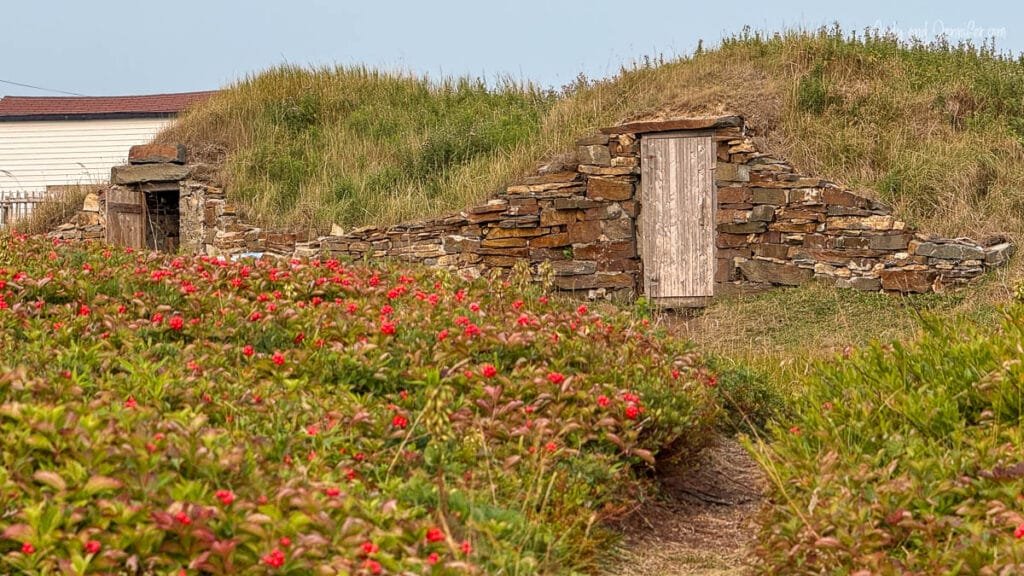
Elliston is tiny. More a village than a town. It proudly calls itself the Root Cellar Capital of the World, with more than 130 stone-and-sod root cellars scattered across the hillsides. Before refrigeration, these underground vaults kept potatoes, carrots, and turnips fresh through harsh winters. Growing up in California, I had never seen anything like them. Andy remembered them from Pennsylvania.
The village itself has a small visitor centre, two puffin-themed cafés, and a rocky beach. We spotted a beautiful handmade puffin mug at the visitor centre and decided not to impulse buy. Classic mistake. When we returned a few hours later, it was gone. Souvenir heartbreak. We later tracked down the artist, Wild Lupin Studios, and a new one is now on its way to Australia.

(Photo Credit: Wild Lupin Studios)
But we were not here for mugs. We were here for puffins.
Where to See Puffins in Elliston
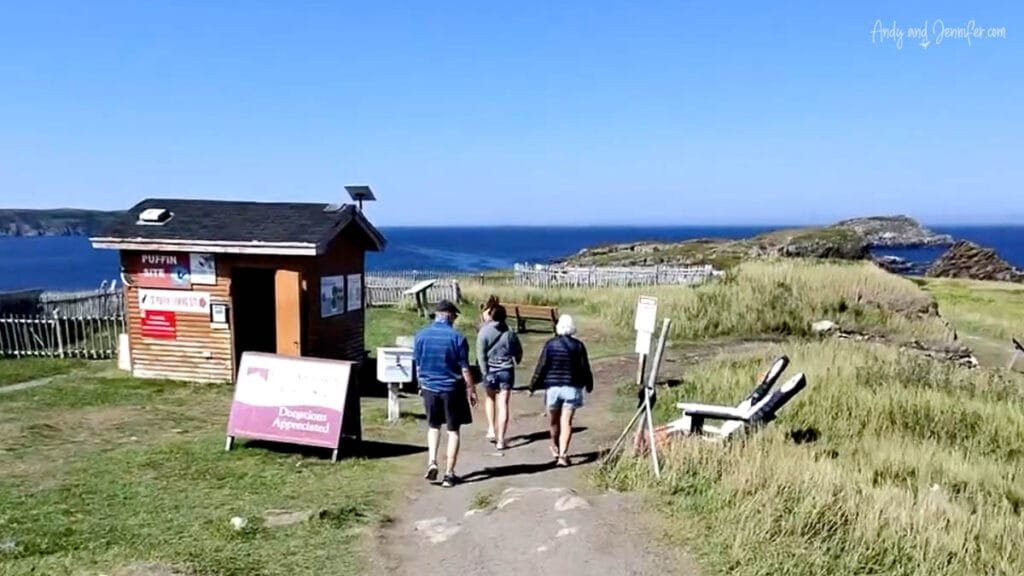
The Elliston Puffin Viewing Site is just five minutes from the village. No boats. No tours. No barriers between you and the Atlantic except a cliff edge and your own common sense. And it’s completely free.
The parking lot was almost empty when we arrived, which made me nervous. Had we timed this wrong? Had we flown halfway across Canada only to discover the puffins had already left? We hurried down the path toward the main viewing area. Out of the corner of my eye I caught a flash of black. “There’s one right there,” I whispered. Except it turned out to be a cormorant.
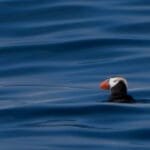
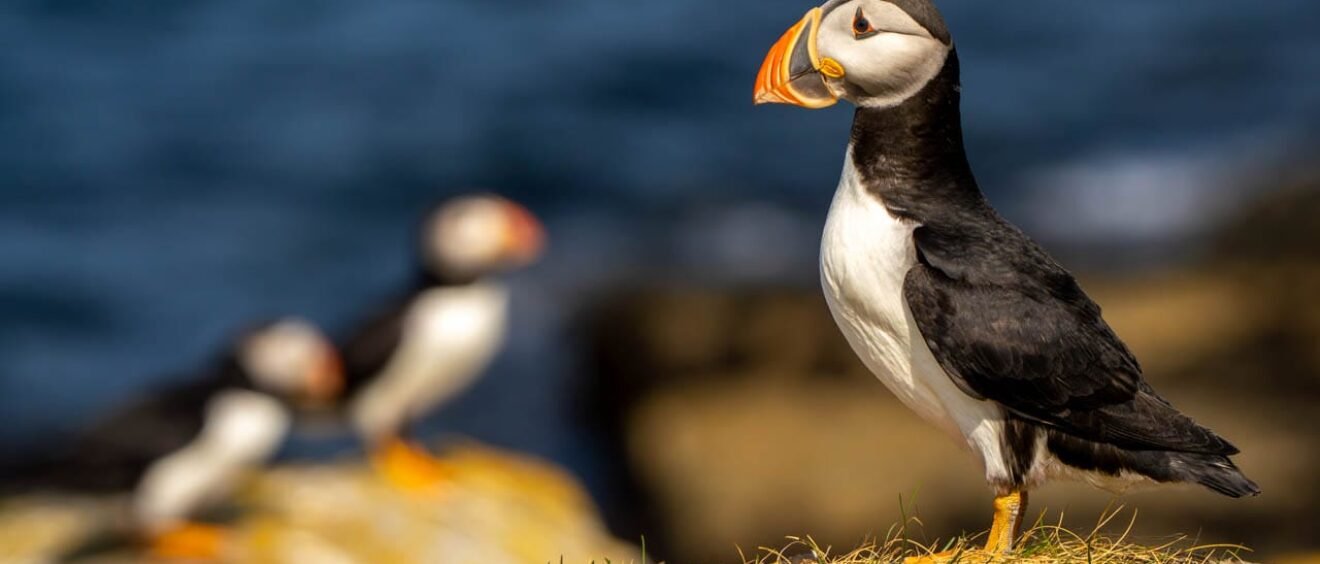
Then I saw it again. This time there was no doubt. It was definitely an Atlantic puffin, unmistakeable with its bright bill and stocky little body. We had now seen all three puffin species on this trip! My shoulders relaxed. The trip had not been for nothing.
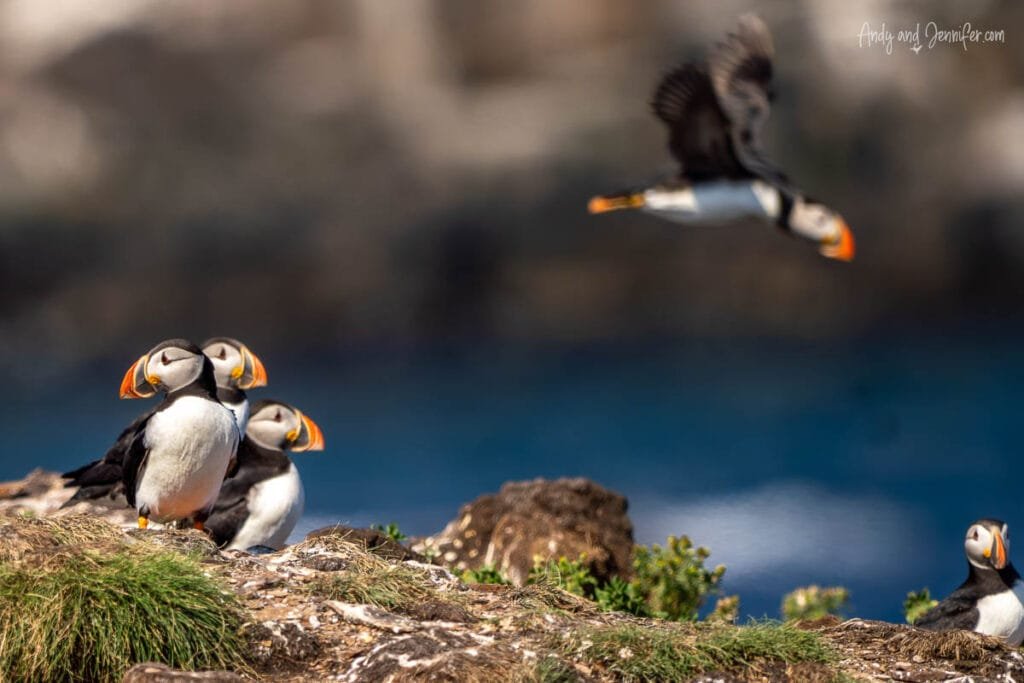
The main viewing area is a peninsula that faces a small offshore island where Atlantic puffins nest in burrows. From the tip of the peninsula, you can watch them fly in from the ocean, land awkwardly on the grass, and scurry into their burrows with beaks full of eels.
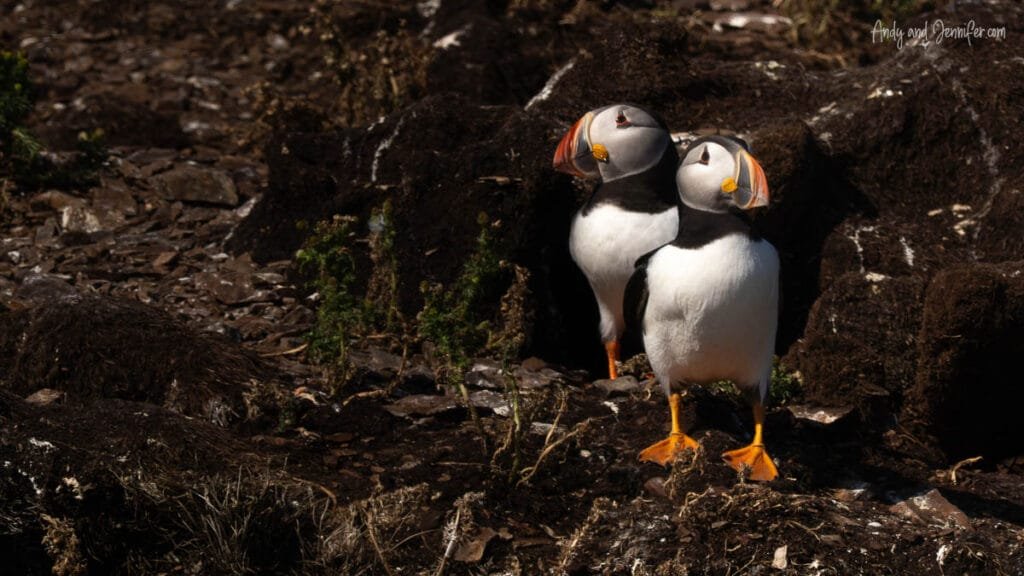
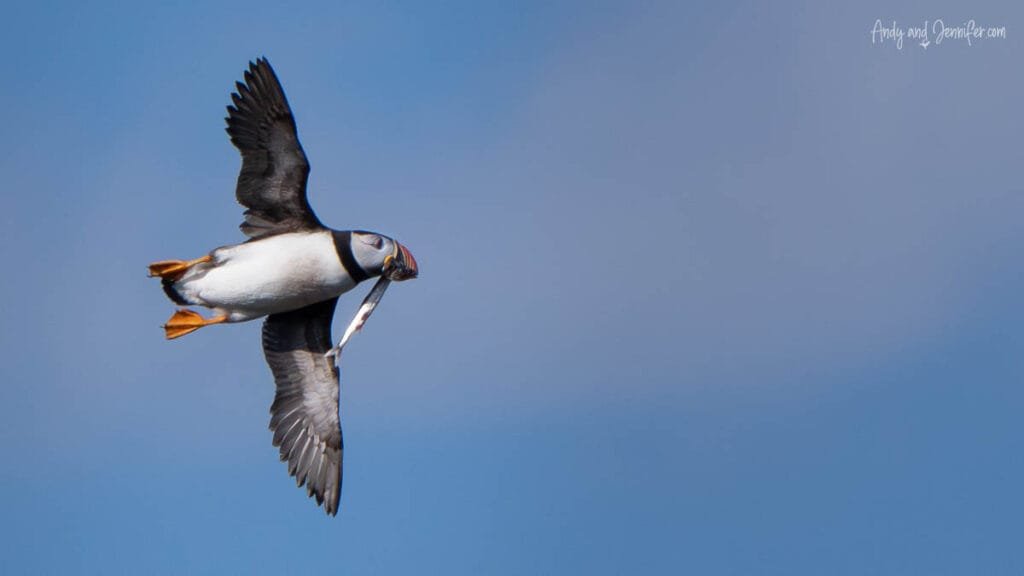
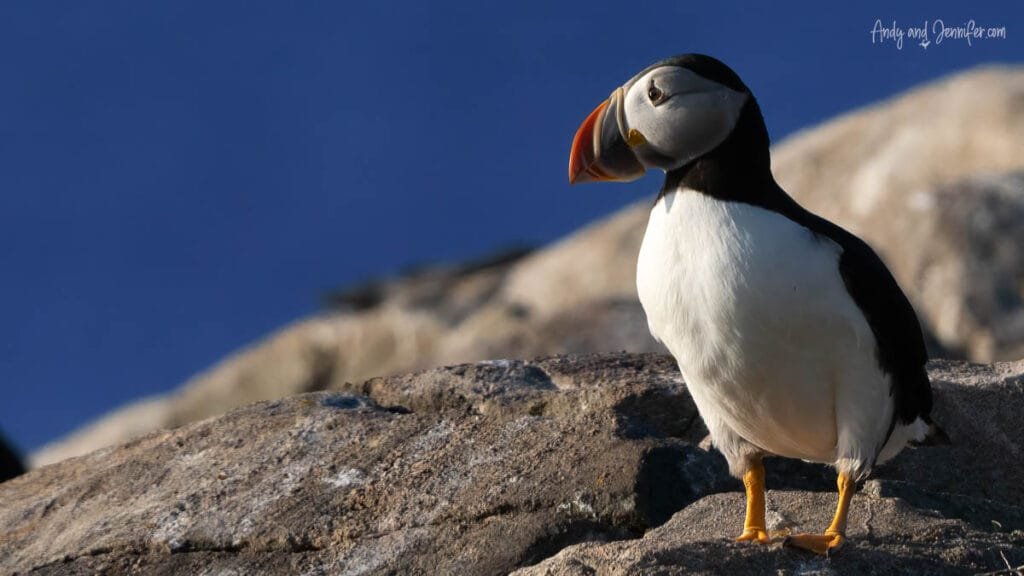
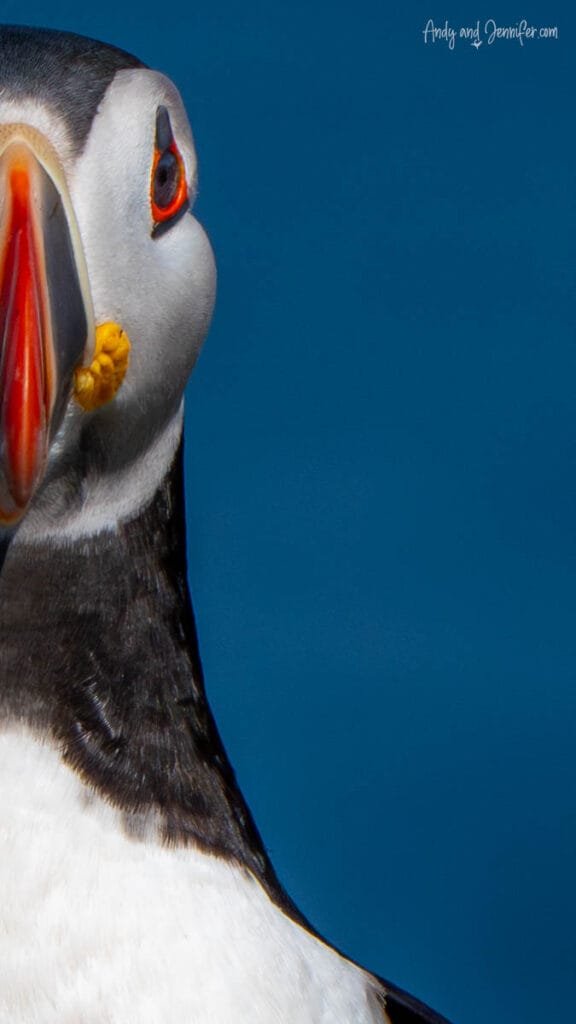
We returned the next morning just after sunrise. Because we were there early, there were puffins on the east and west sides of the peninsula (not just on the offshore island). To be completely honest, we have so many pictures that we love from this spot that it’s a bit overwhelming, so sharing just a few.
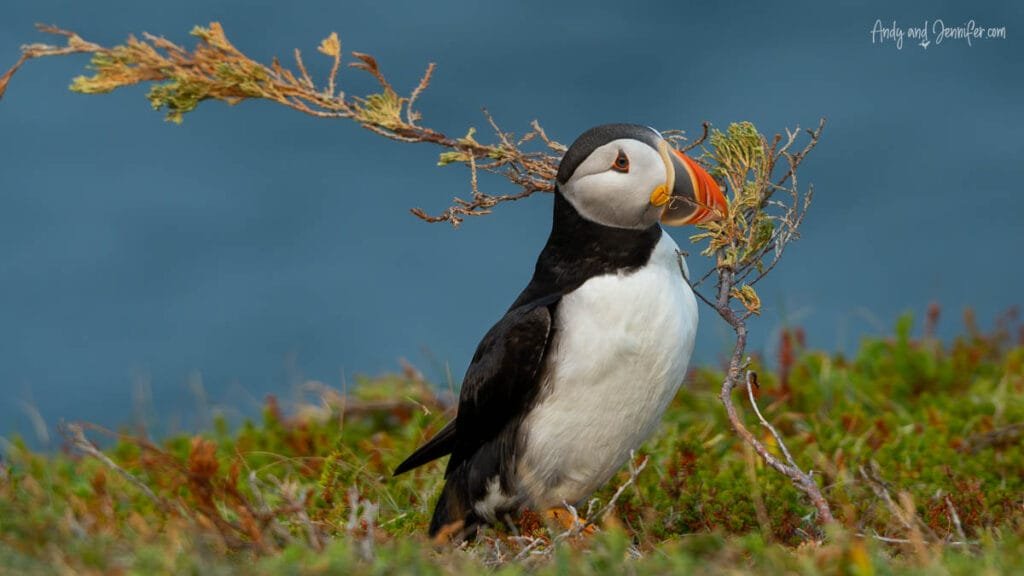 (This little bird is carrying this giant plant back for it’s burrow)
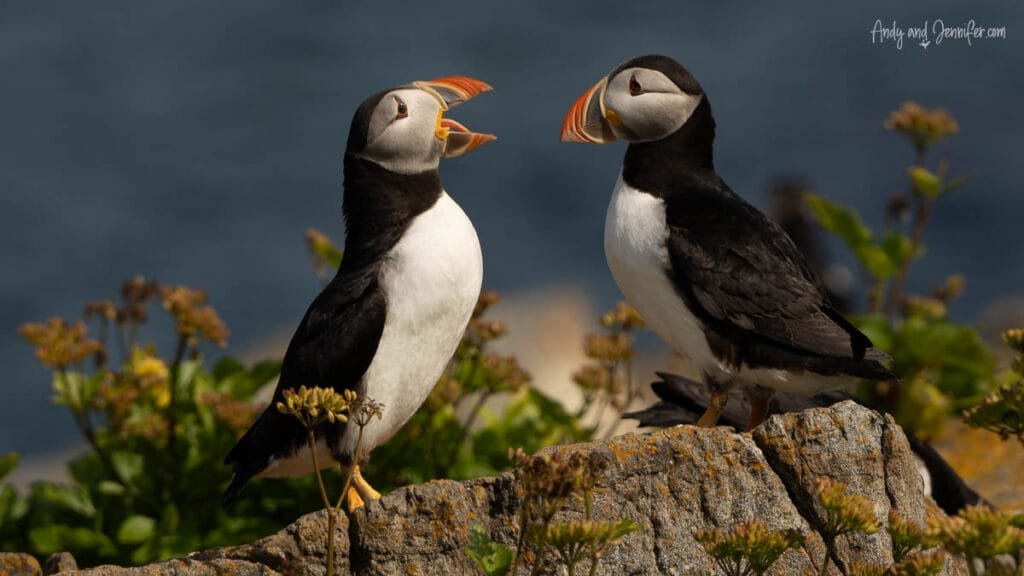
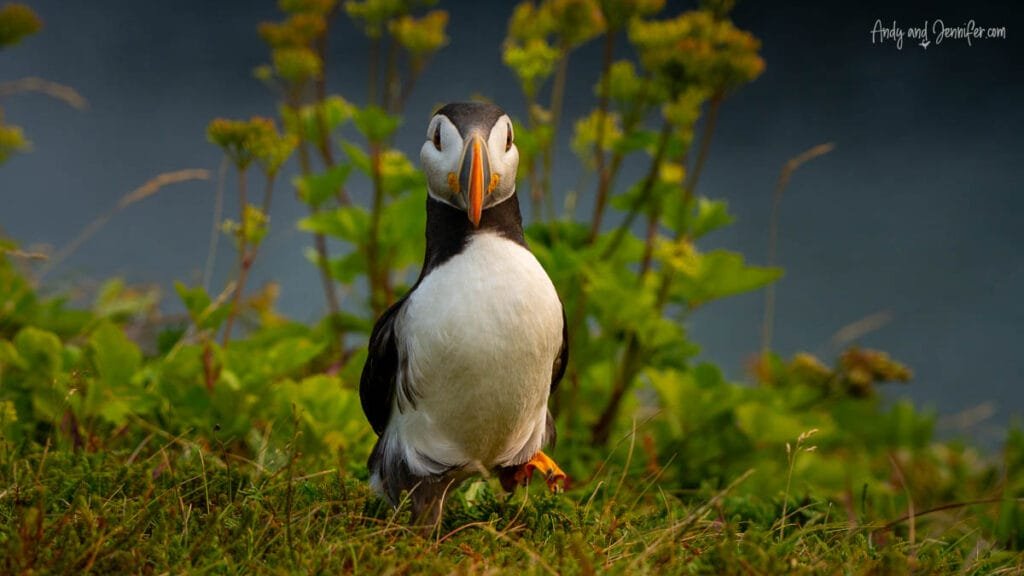
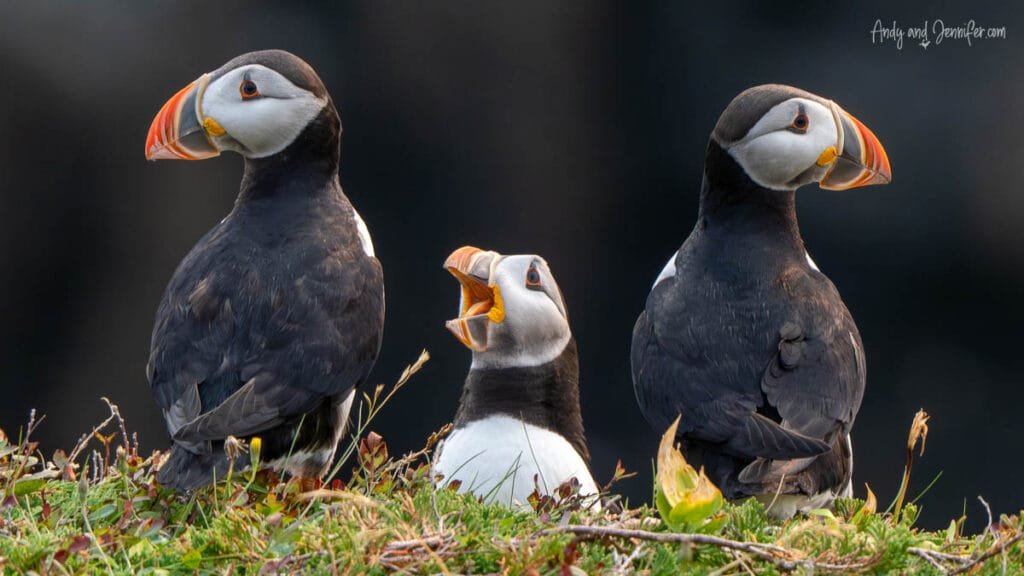
They are almost comical in flight, and their landings are more like a controlled crash.
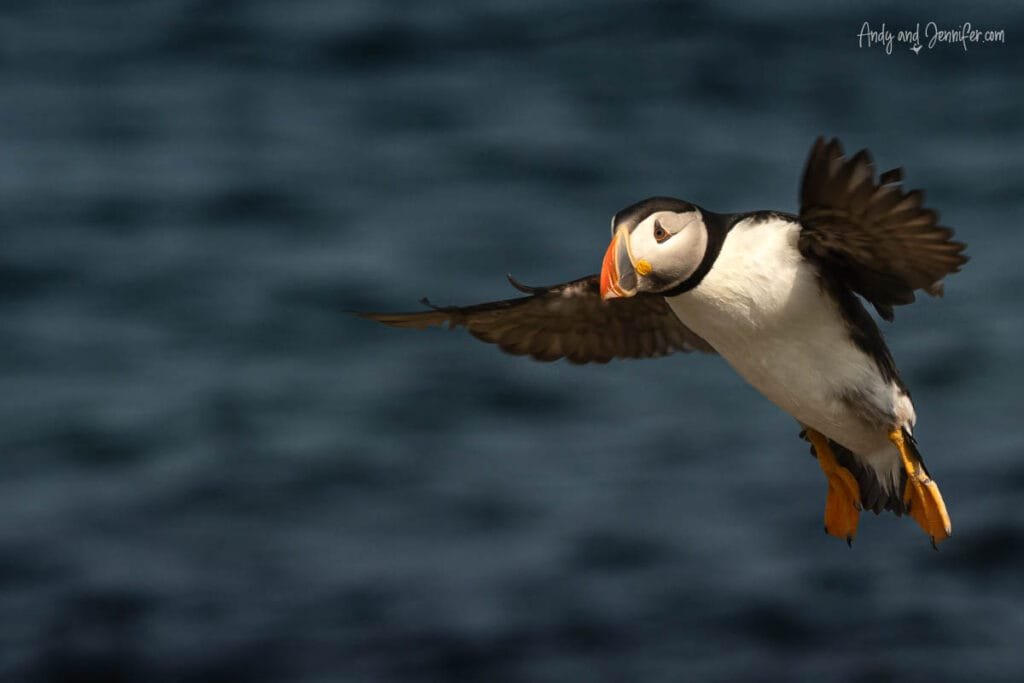
If you sat still, they came almost too close for the big camera lens.
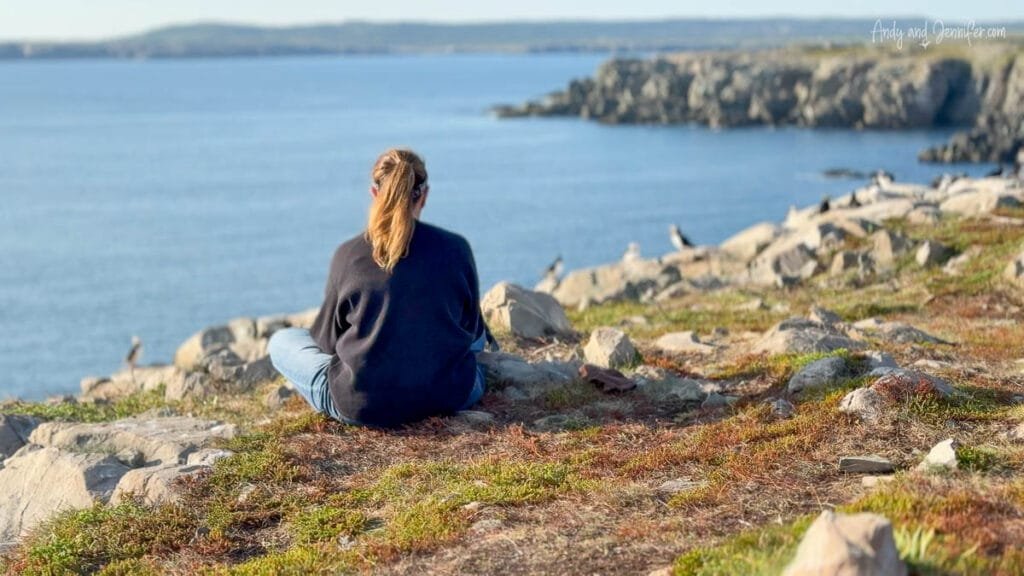
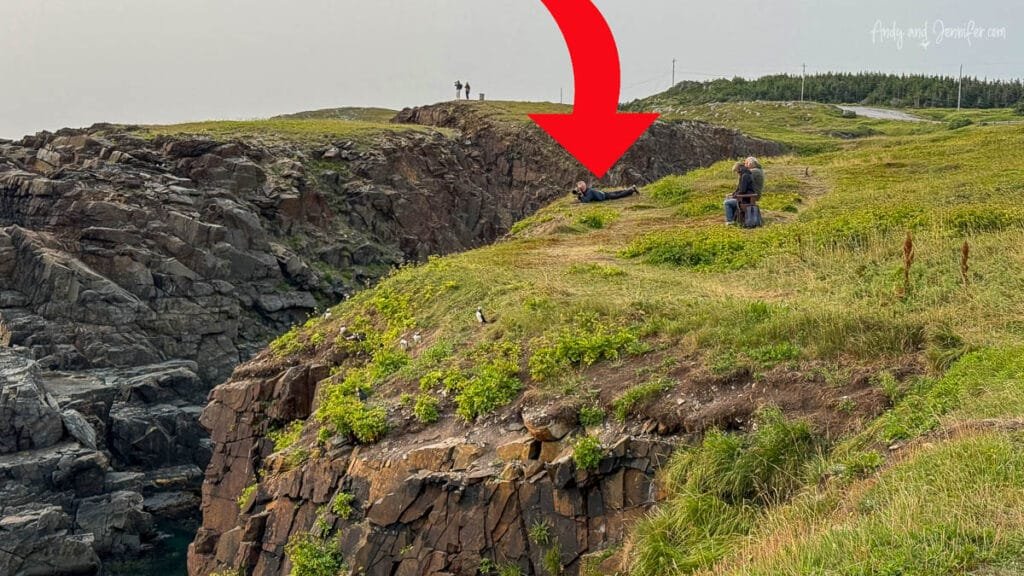
Being so close to the clifftop made my stomach feel funny. Andy found the best way to photograph was belly-down.
Photography Tips for Elliston Puffins
There are three main areas at the Elliston puffin viewing site: the main viewing site, the west viewing site, and the east viewing site. This isn’t anything official, just what we learned during multiple visits.
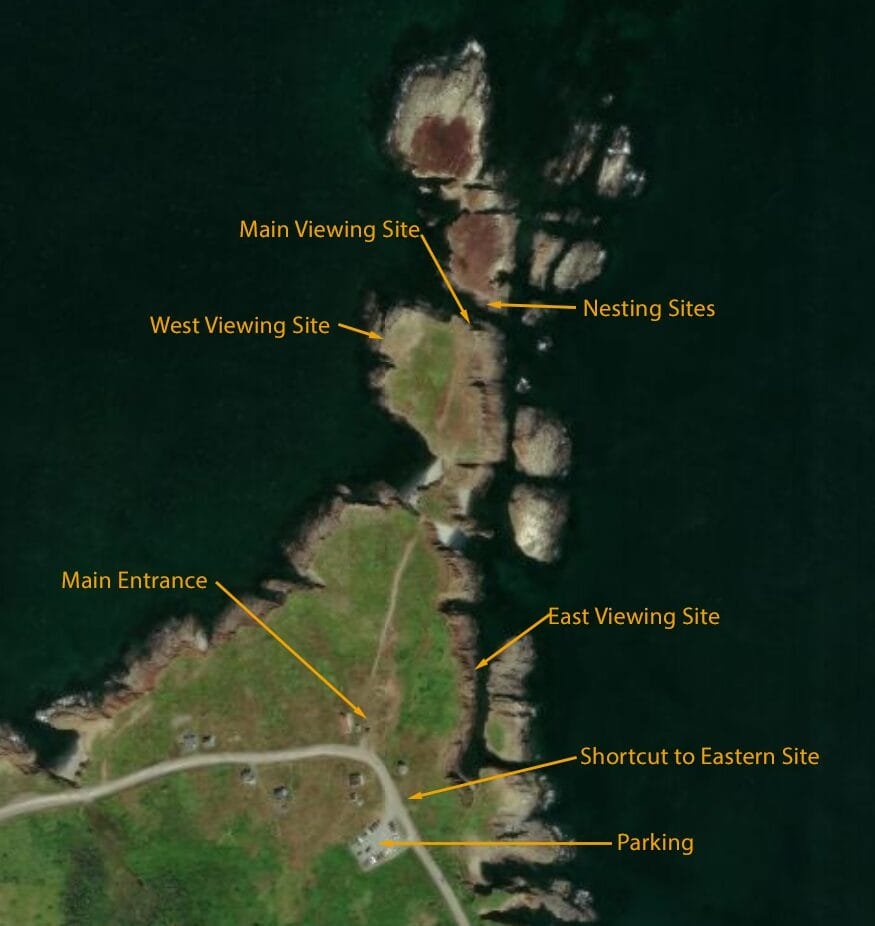
If you arrive in the middle of the day, the main viewing site may be the only area where you see consistent puffin activity. Just follow the trail to the main viewing site and look across to the small island where they burrow. Bring binoculars or a camera with at least a 400mm lens and find a nice spot to sit rather than standing close to the cliff edge.
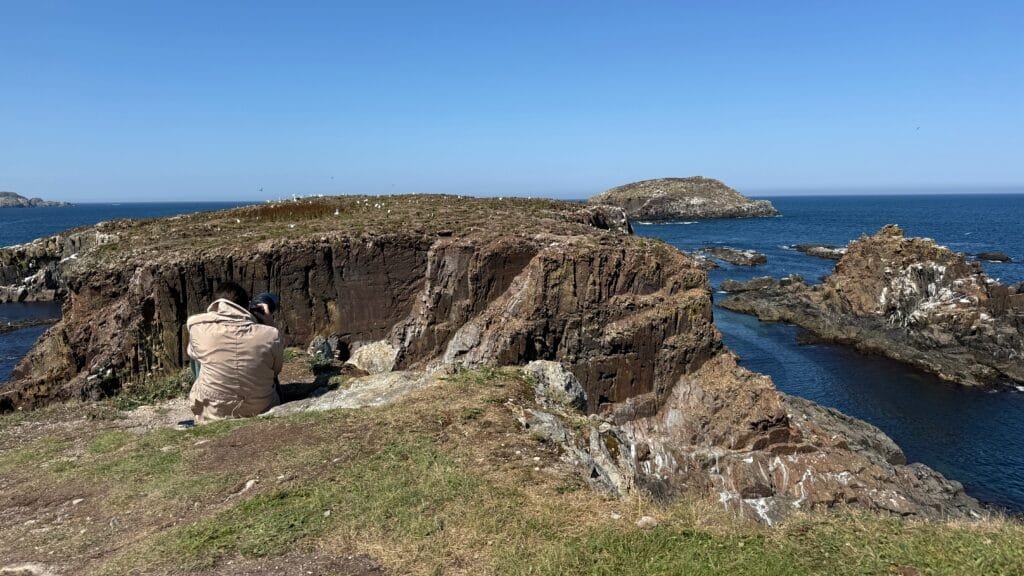
If you visit near sunrise or sunset, the best photography opportunities are on the quieter east and west sides of the peninsula, away from the main viewing site. At sunrise, the east side allows you to shoot into the light for beautiful backlit bokeh. The low angle adds warmth to the birds’ faces and helps separate them from the grass. On the west side at sunrise, the sun is behind you, giving you clean, evenly lit conditions. If someone spooks the birds and they all lift off at once, do not panic. They always return. Give it time.
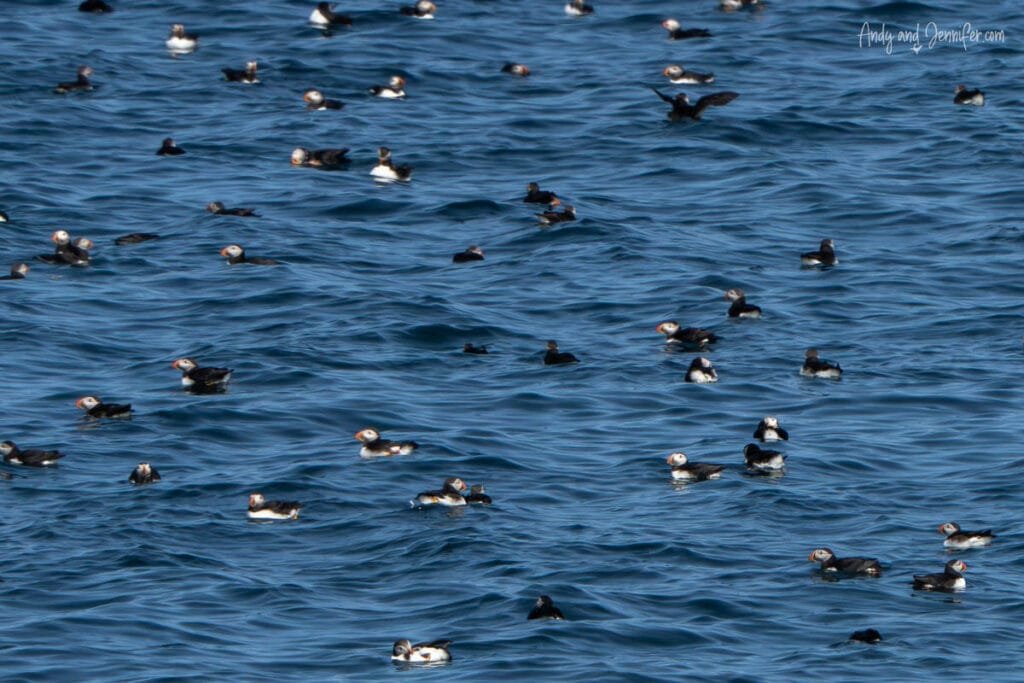
Elliston was exactly what we wanted. Close encounters, full-frame shots, and the stability of shooting from solid land.
Next up: Puffins of Bonavista: Close Encounters at Cape Bonavista Lighthouse

We’re Andy and Jennifer—two former corporate executives who chose long ago to prioritise experiences over stuff while pursuing our passions for travel and photography. From the Arctic to Antarctica, and most places in between, we’ve captured the world through our lenses and love sharing those stories. Our careers gave us the means, but our purpose is inspiring others to explore and helping people create images they’re proud of.