Exploring the Canadian Rockies: Canmore, Lake Louise, and Jasper
- Starry Skies and an Erupting Volcano
- How We Travelled from Kona to Vancouver Island: Flights, Ferries, and Travel Tips
- Driving to North Vancouver Island for a Day Trip to See Puffins at Triangle Island
- Wildlife Photography Tour in Port McNeill: Otters, Orcas, and Eagles with Anthony Bucci
- Taking the BC Ferry from Port Hardy to Prince Rupert
- Visiting the Khutzeymateen Grizzly Sanctuary
- Returning to Port Hardy by Ferry and a Whale Watching Stop
- The Eagle Show in Campbell River
- Wildlife Watching in Tofino: Whales, Bears, Otters and Puffins
- Snorkelling with Harbour Seals in Vancouver
- Travelling to Churchill to see Polar Bears
- Fireweed Island: Polar Bears and Belugas in Churchill
- Aqua Gliding with Beluga Whales in Churchill
- Wrapping Up Our Time in Churchill: Kayaking, Tundra Crawler, and the Prince of Wales Fort
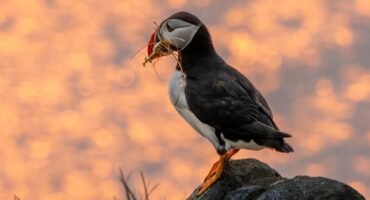
- Our Newfoundland Side Quest to Photograph Atlantic Puffins
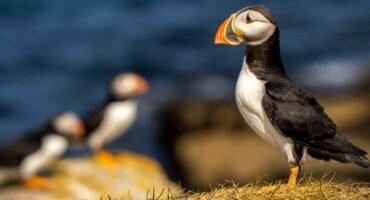
- Puffins of Elliston: The Best Land-Based Puffin Viewing in Newfoundland
- Puffins of Bonavista: Close Encounters at Cape Bonavista Lighthouse
- Exploring the Canadian Rockies: Canmore, Lake Louise, and Jasper
Isn’t This Trip Over Yet?
After completing the side-quest to Newfoundland, we had to get back to the west coast of Canada for our return flight to Australia. Amazingly, we found a points-booking on Westjet via Calgary. The only problem is that it required a stopover in Calgary. Because of availability, the stopover could be either one day or five days. But we were already in Canada, and had no reason to rush back to Australia, so FiBi.
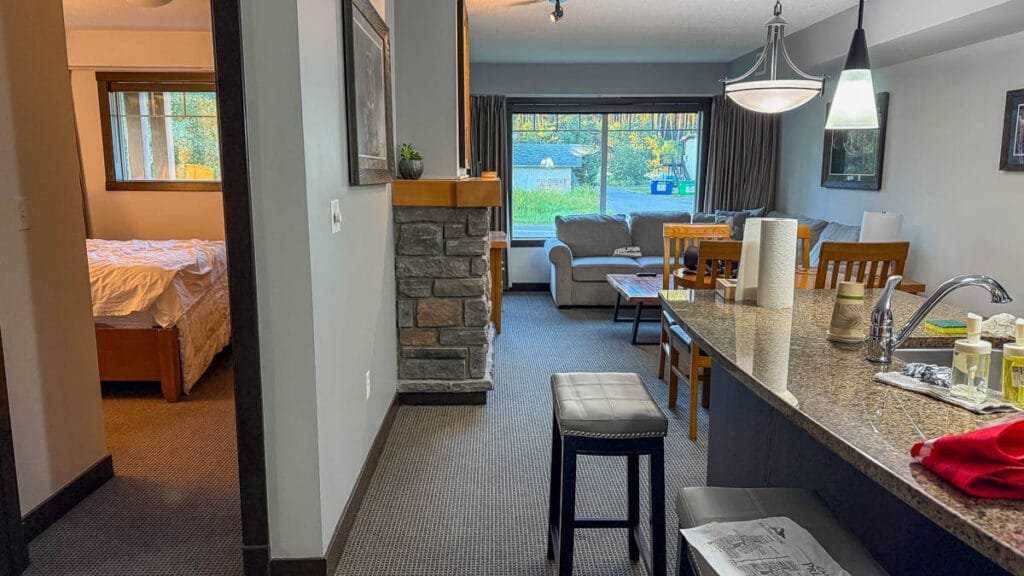
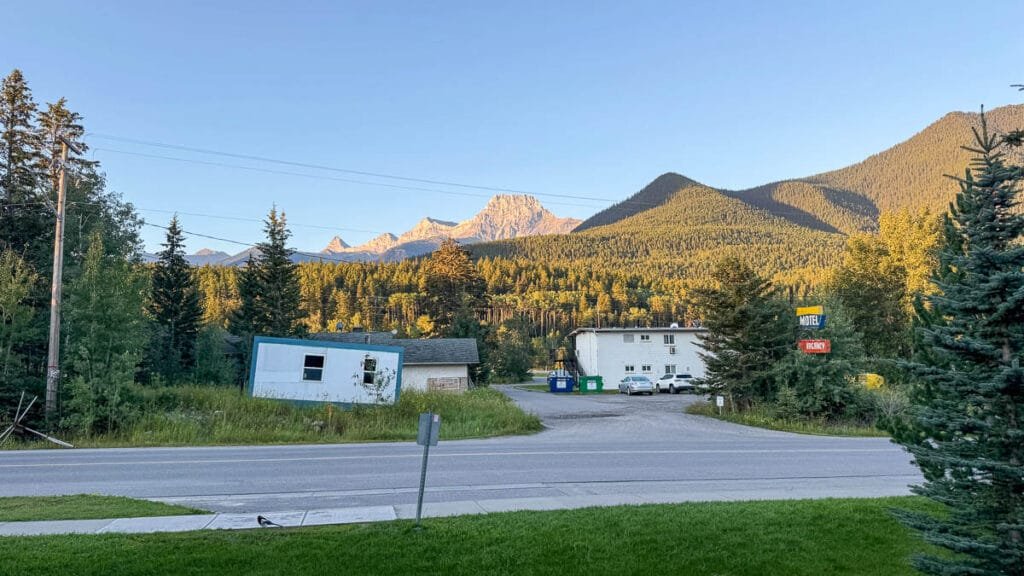
Why Canmore Instead of Banff
Classic Canmore and Banff Experiences
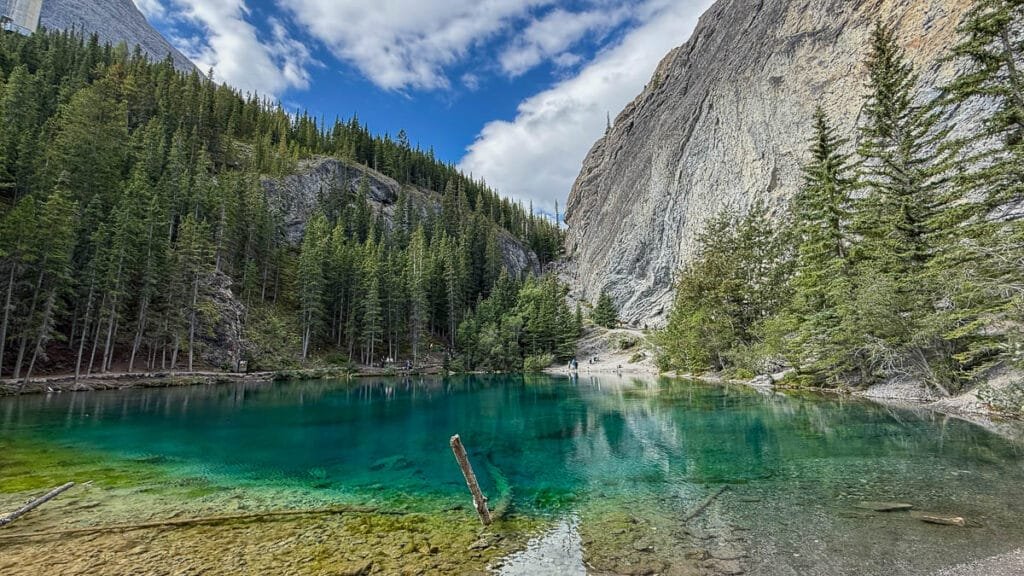
- Grassi Lakes Hike – Reviews on All Trails mentioned going left at the fork in the trail for better views and they were spot on. We were amazed to see people rock climbing the granite faces at the top, and decided that was where we’d turn around.

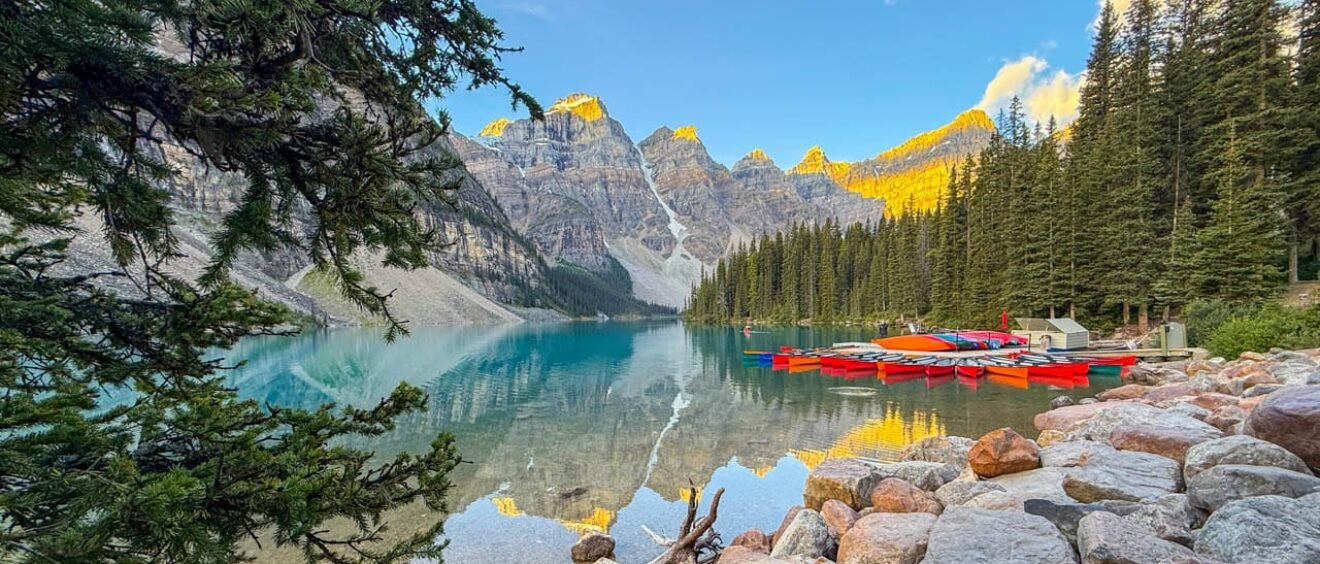
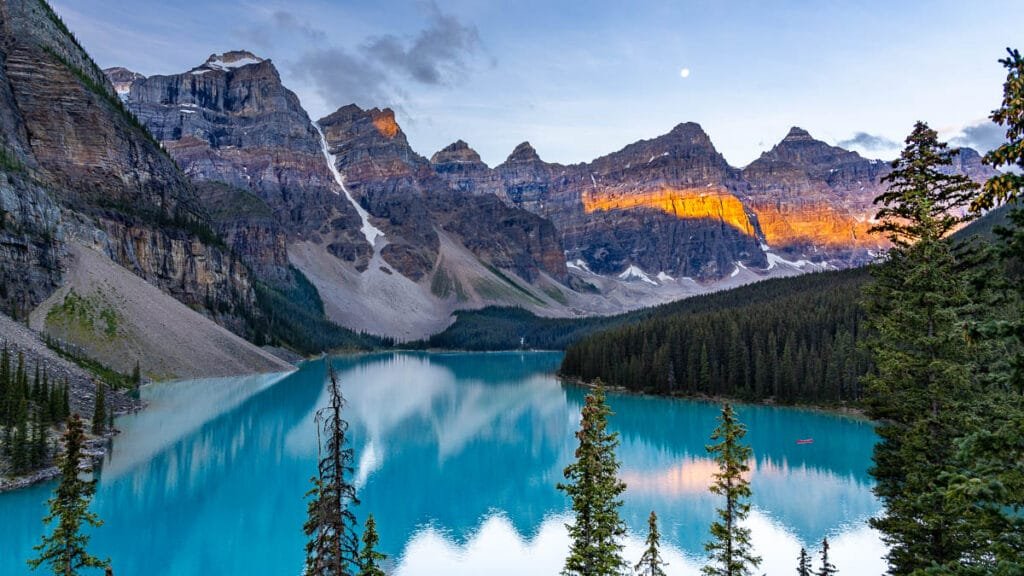
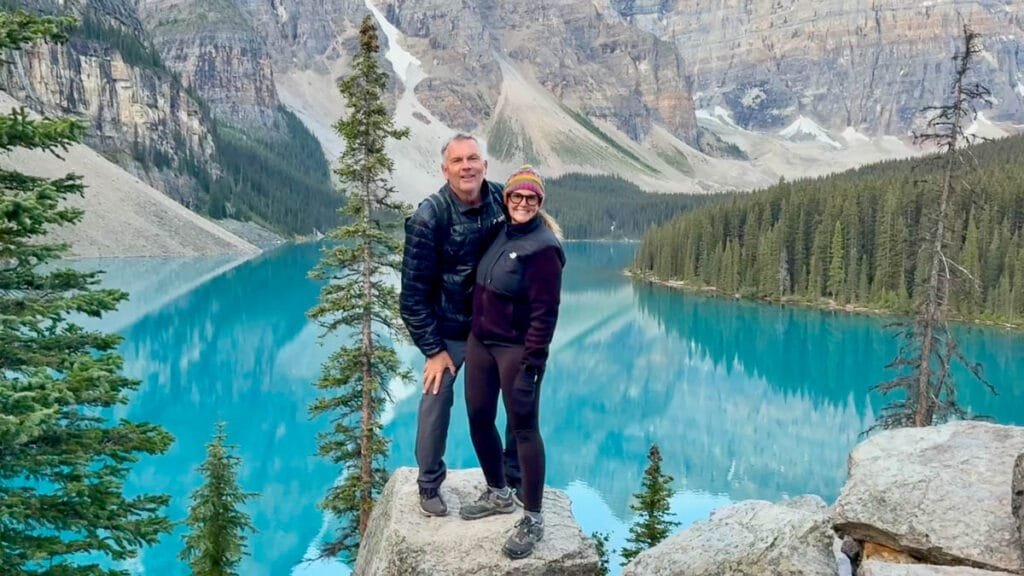
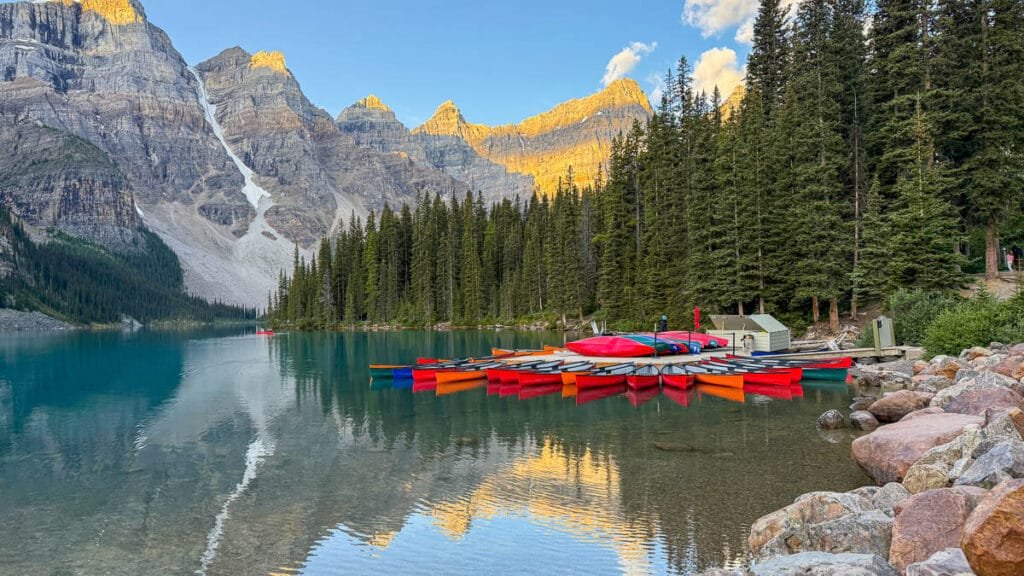
Moraine Lake Sunrise – because of the crowds, you can no longer drive to Moraine Lake. We booked with Moraine Lake Bus Company, departing from Lake Louise village at 4 a.m. for the 20-minute ride. The driver was Aussie (of course). It’s a short but dark 10-minute walk from the car park, so bring a headlamp. I had one photo in mind and got it.
Tips for Moraine Lake: bring a torch, wear layers, pack bug spray, and take a thermos of coffee and snacks. If budget is no issue, stay at the lodge (from $1,795 CAD per night, breakfast included). For budget travellers, Parks Canada shuttles open in April, with extra tickets released two days prior at 8 a.m. MDT ($11.50 CAD).
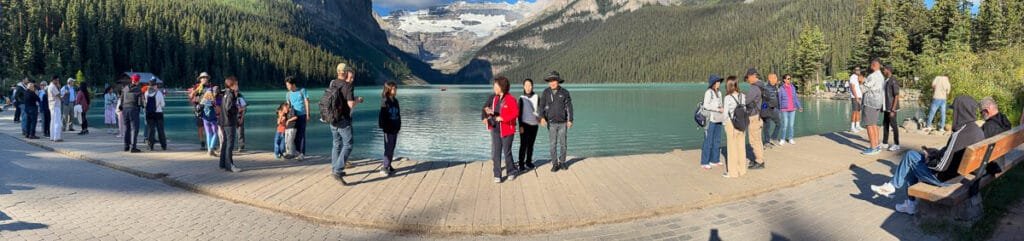
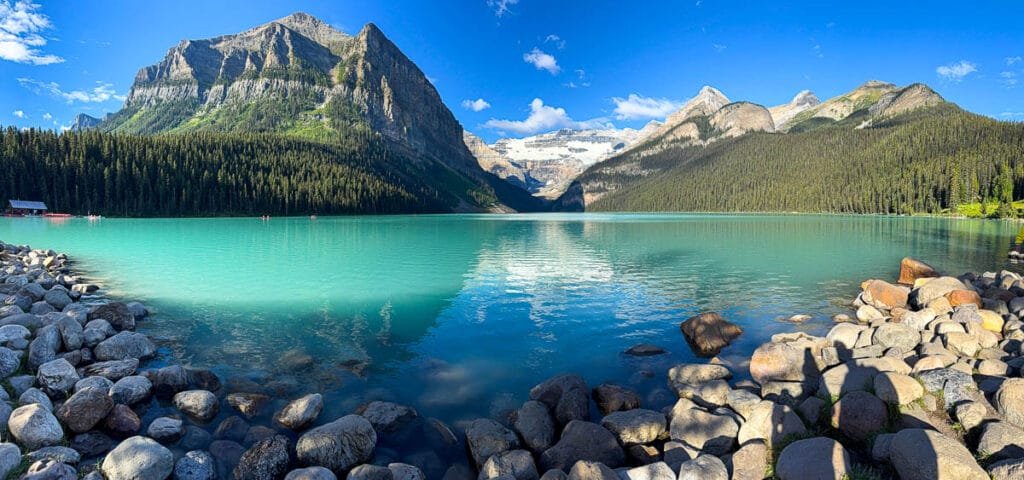
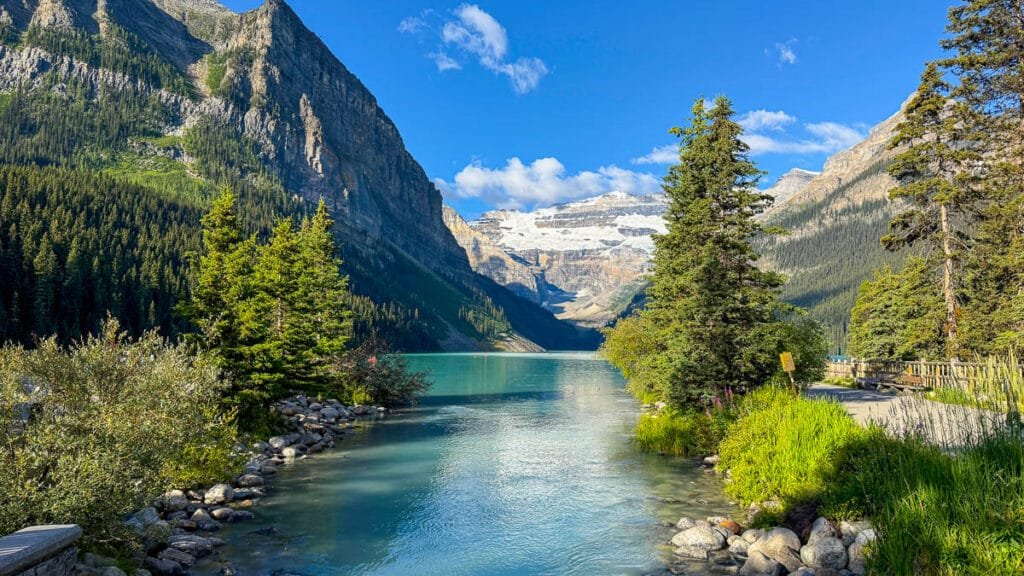
Lake Louise – we arrived at 8 a.m. after Moraine Lake and scored literally the last parking space. The crowds were already overwhelming. We planned to have breakfast at the hotel, but it was only open to guests. We tried pretending like we were hotel guests, but they ask for your room number. The grab-and-go café is open to the public and charged $30 for two muffins and two coffees. We happily paid because we’d been up since 2:45 and hangry is not a good look for me.

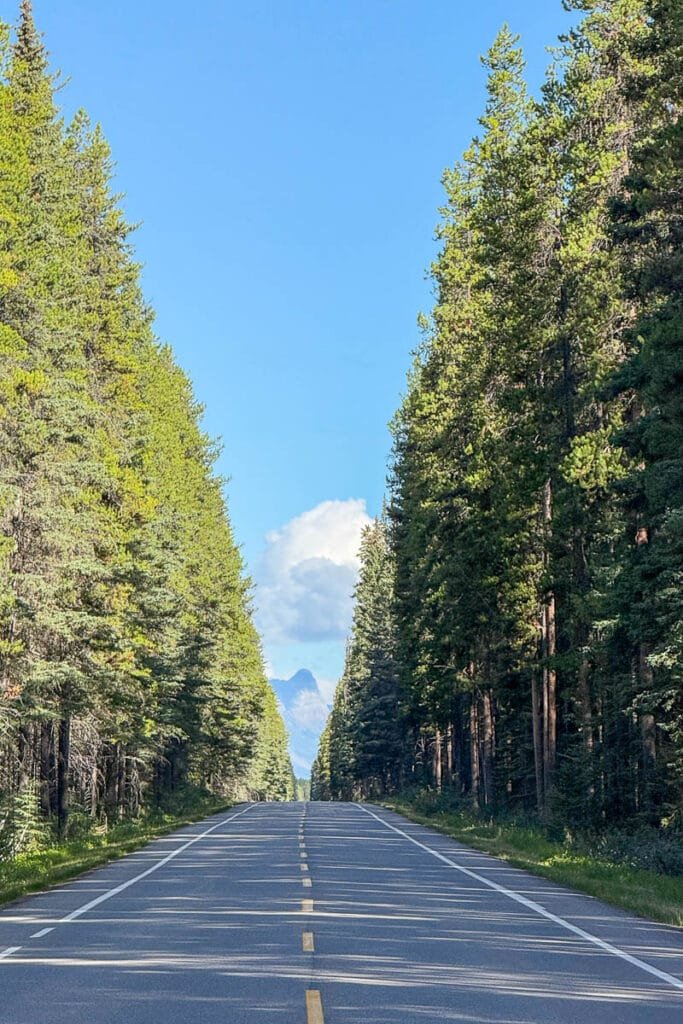
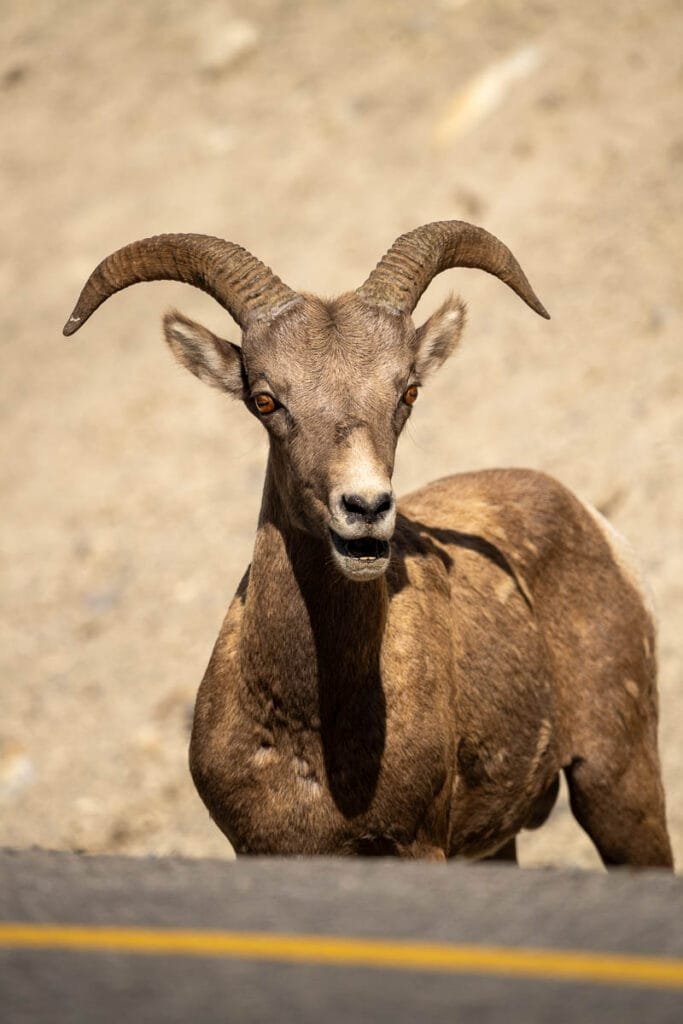
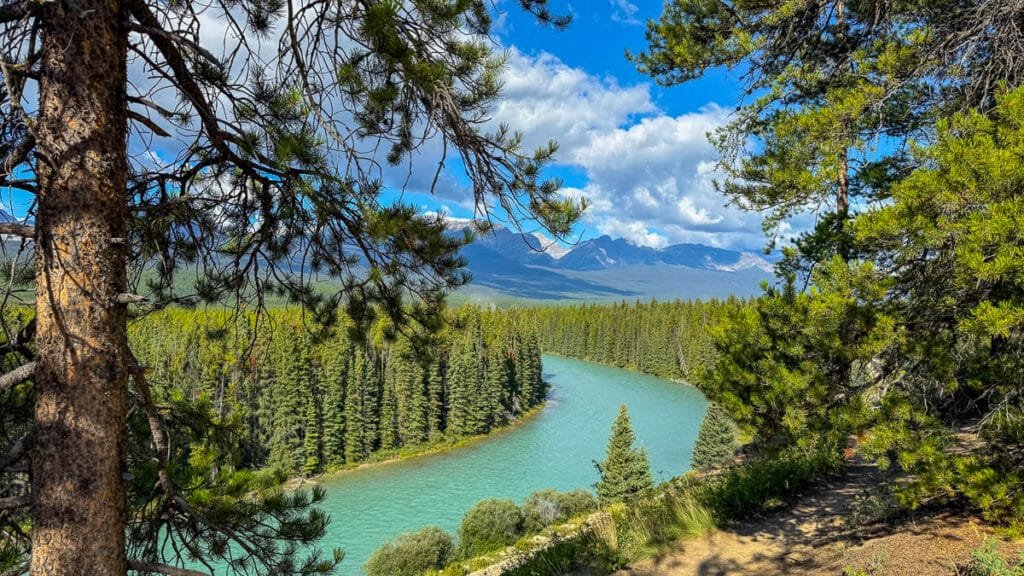
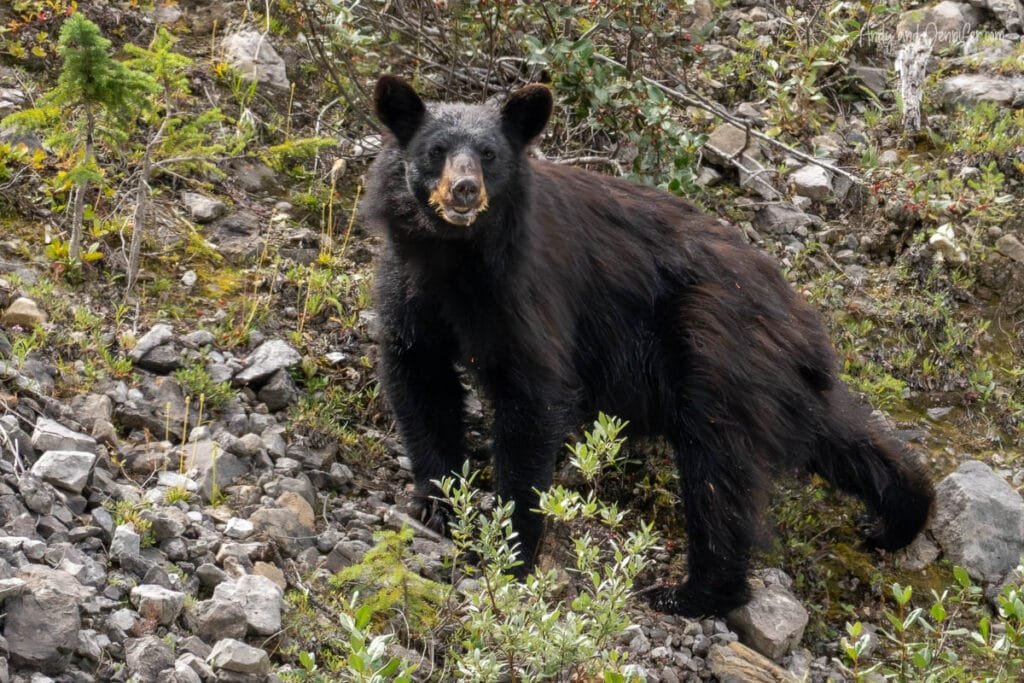
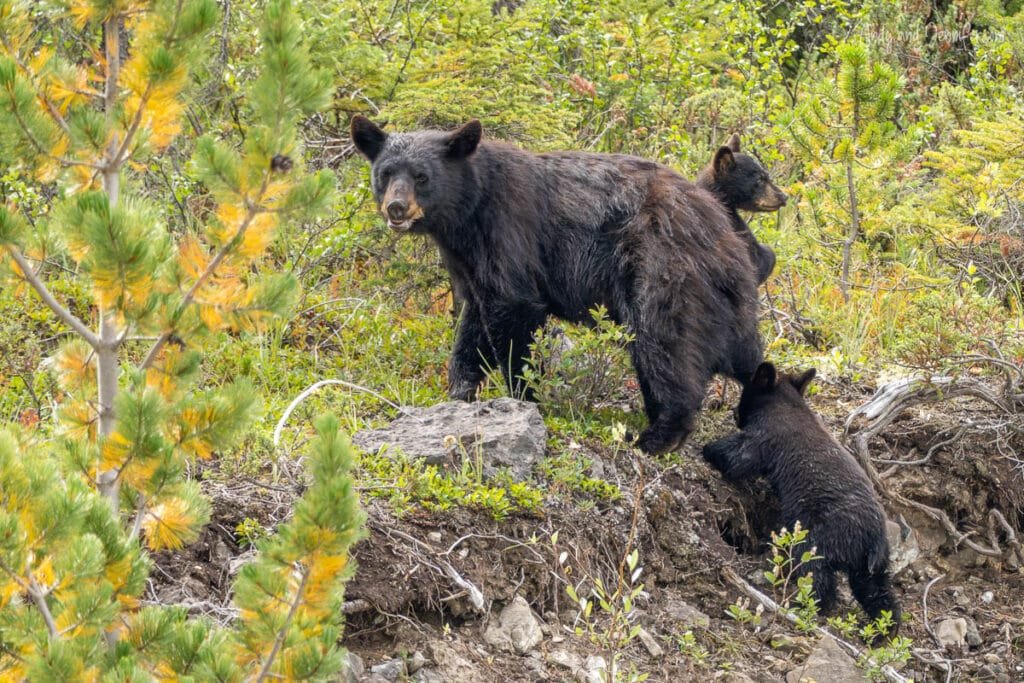
Bow Valley Parkway – scenic drive with wildlife. We saw bighorn sheep (at least we think they weren’t goats) and a bear nibbling on berries.

Driving the Icefields Parkway to Jasper
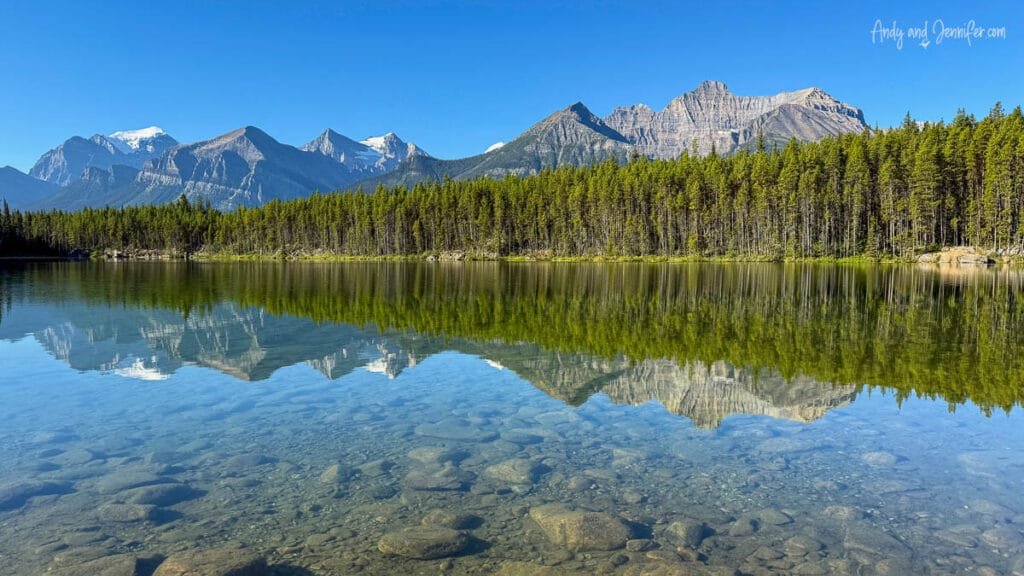
Herbert Lake – peaceful and photogenic
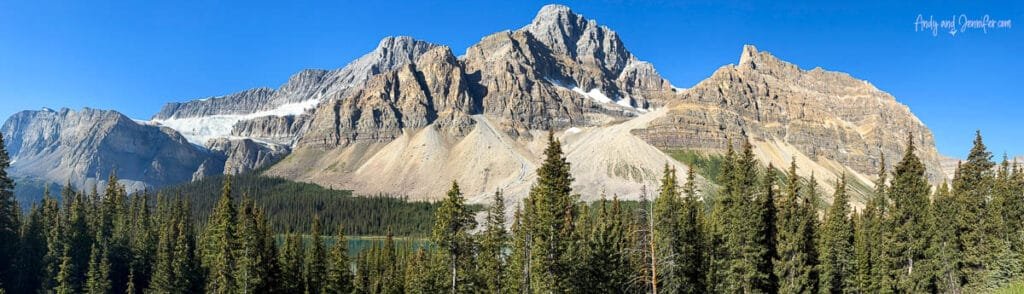
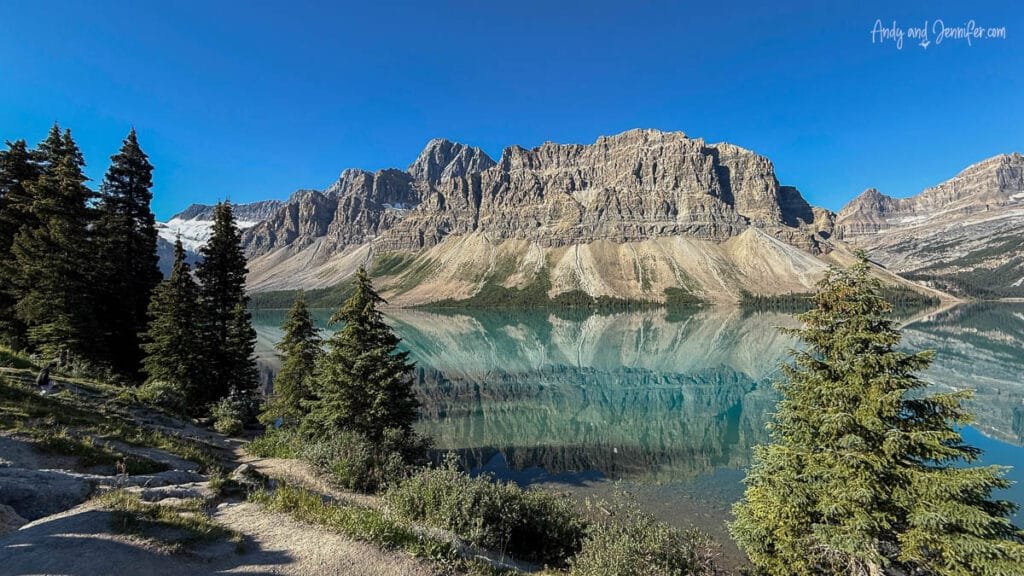
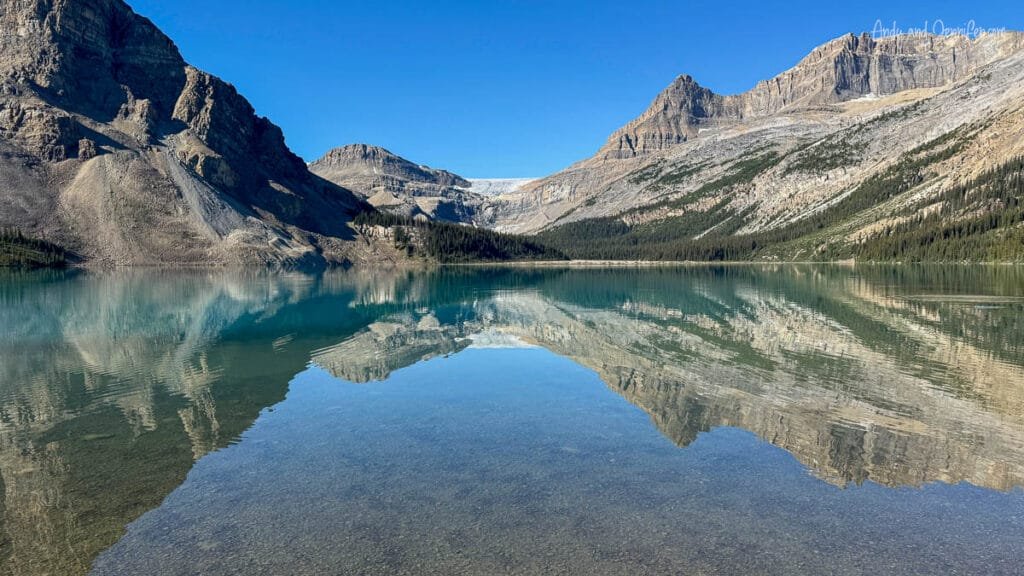
Bow Lake – coffee and pastry stop (and toilets!)

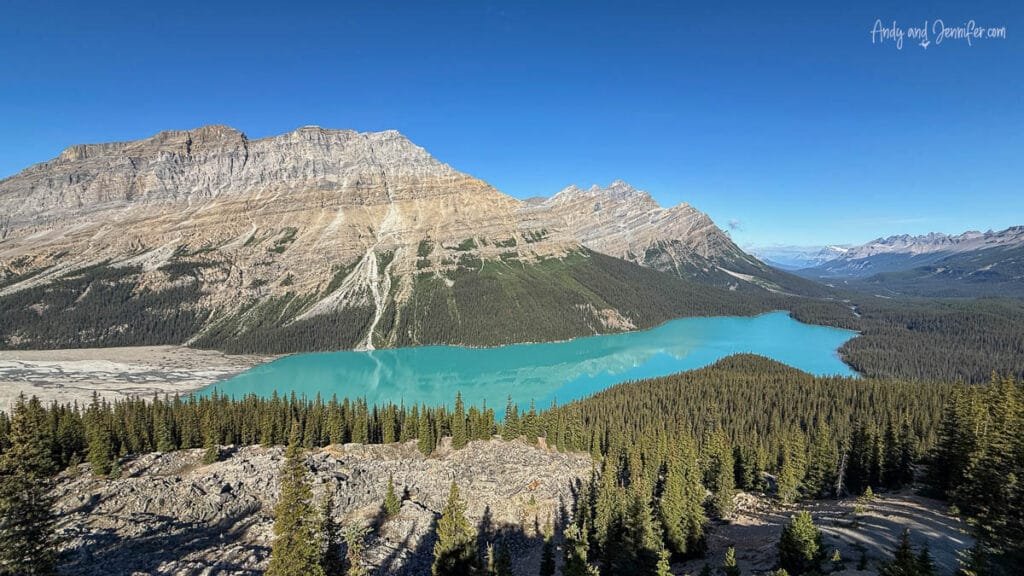
Peyto Lake – a 10-minute walk, and very crowded
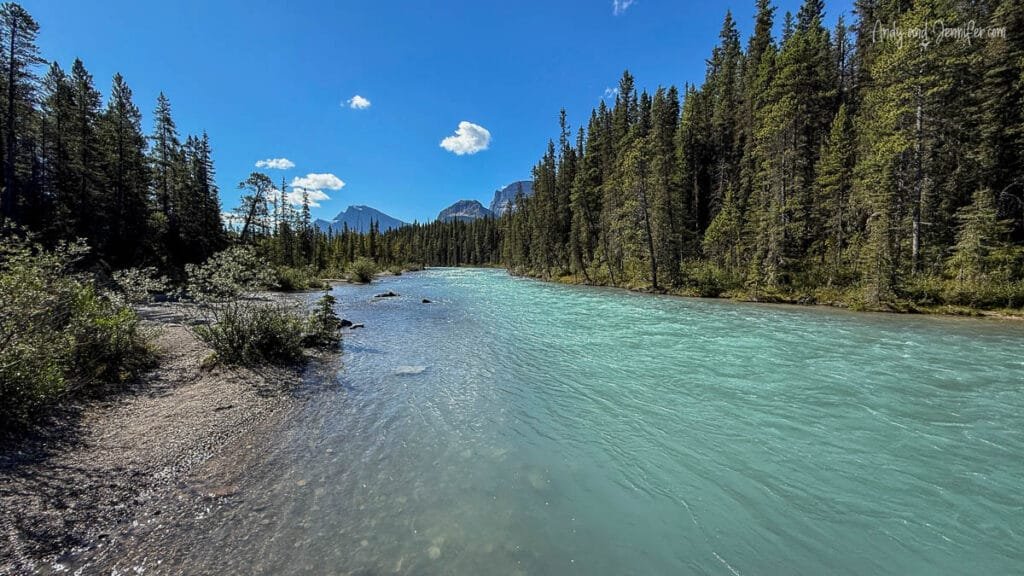
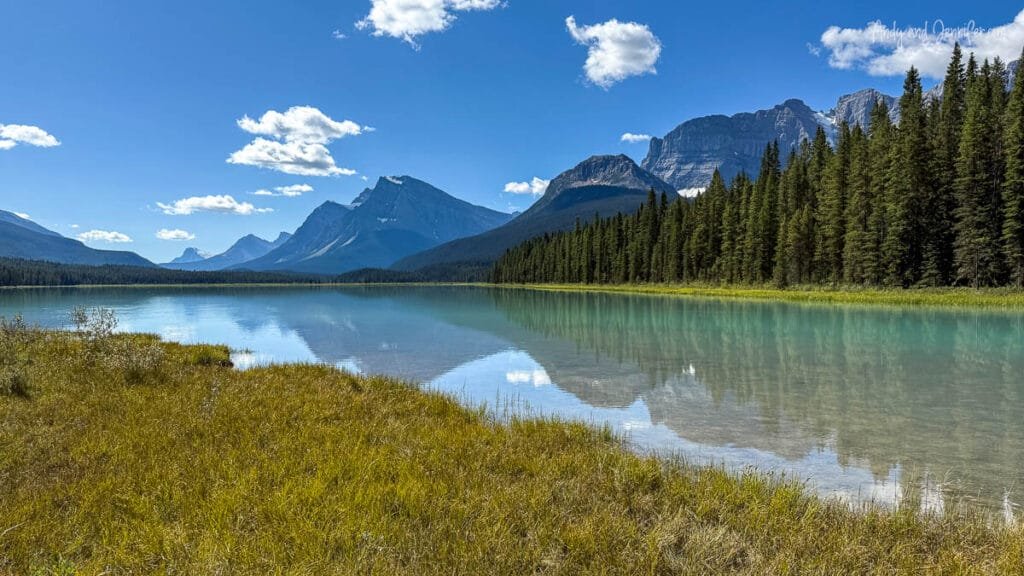
Waterfowl Lakes – accidentally wandered into the campground but ended up with a quiet walk, no people in sight.
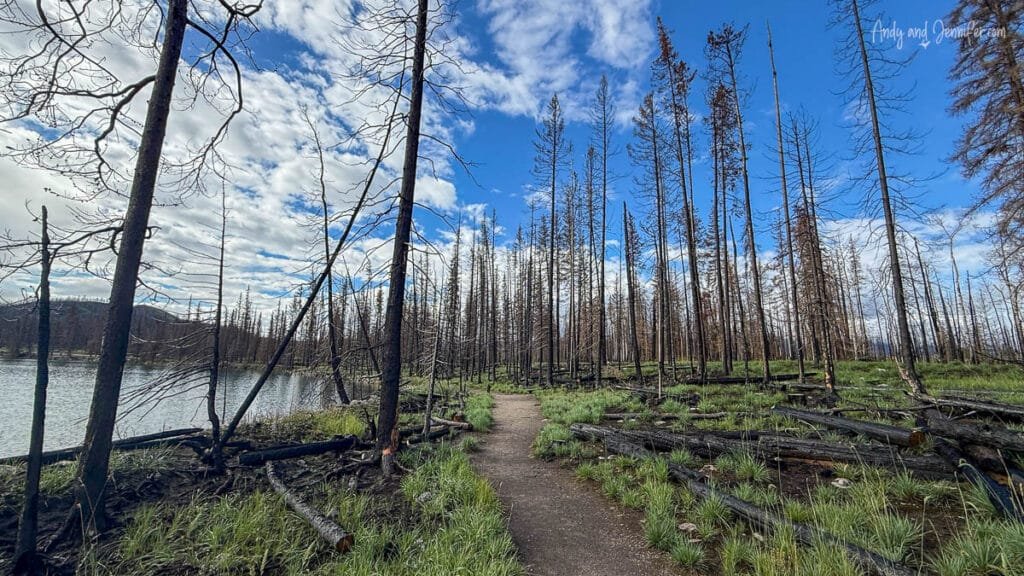
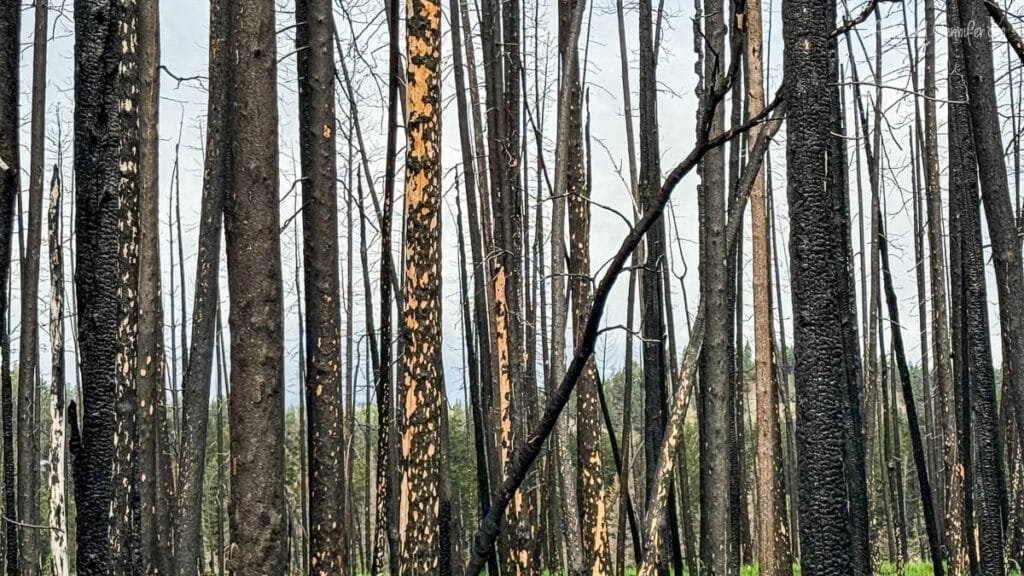
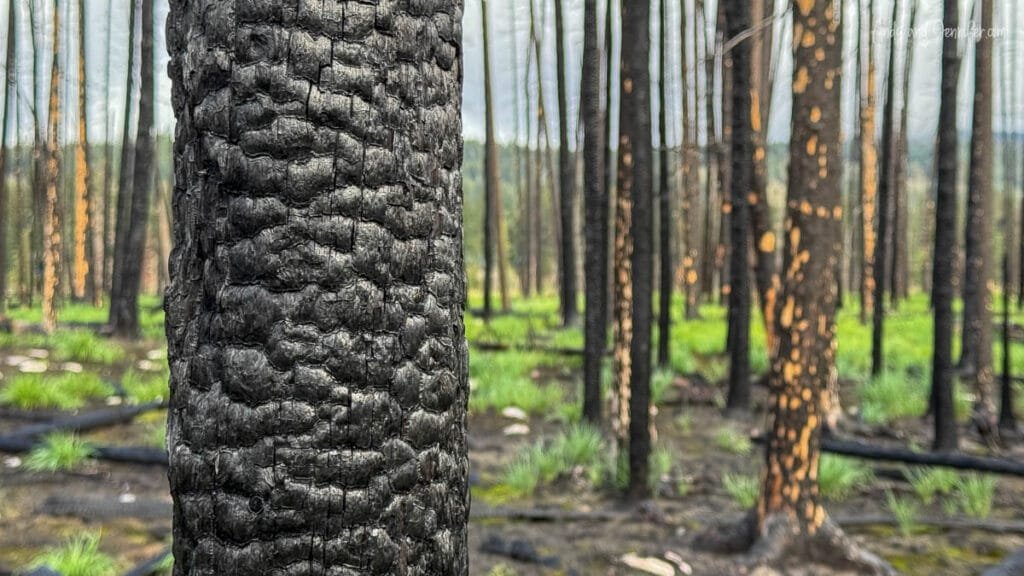
Jasper After the Fires
Food in Jasper
- Olive Bistro – excellent.
- Montana’s BBQ – not Olive Bistro, but ok.
- Jasper Pizza – also not Olive Bistro, but ok.
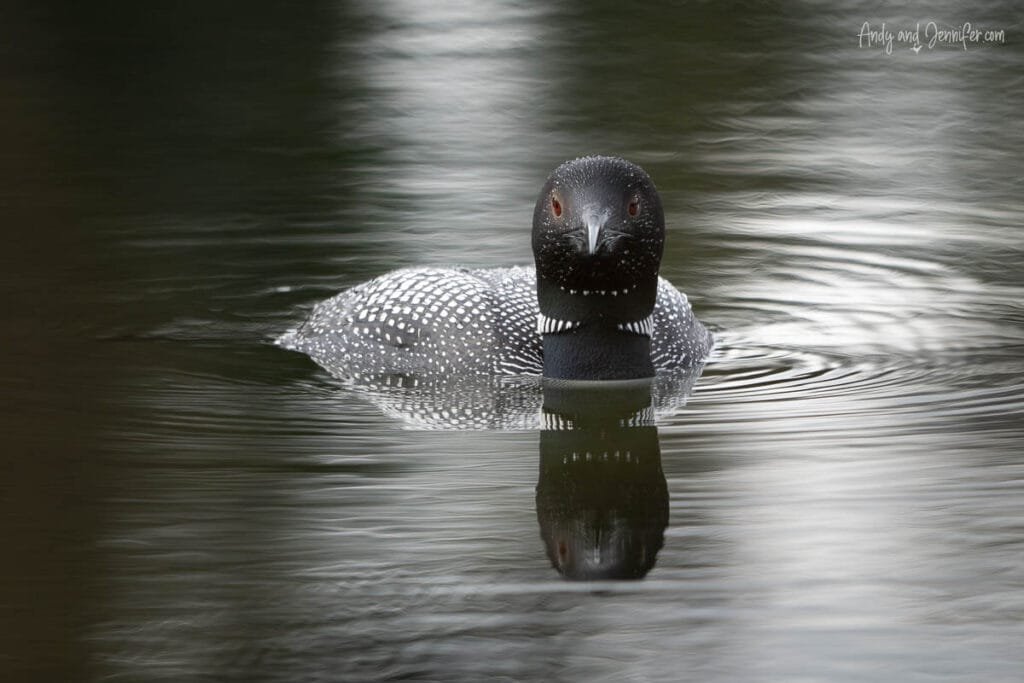
Maligne Lake and Beyond
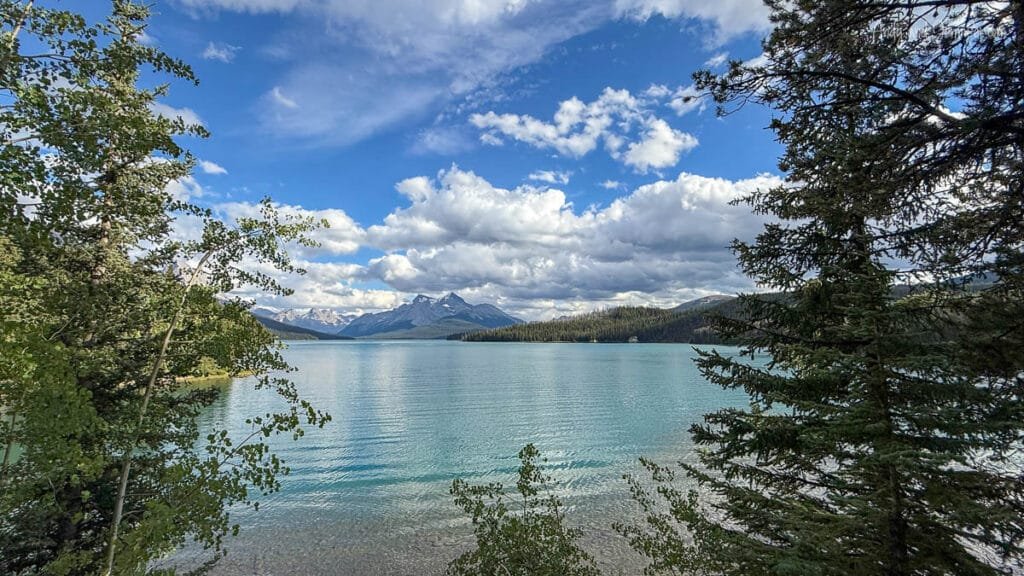
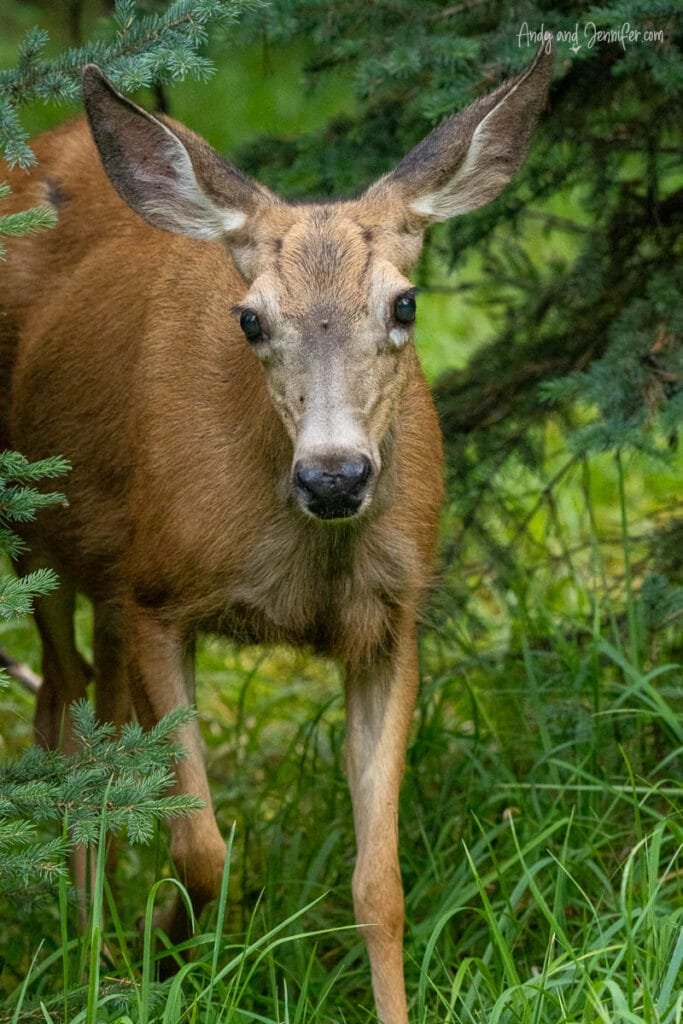
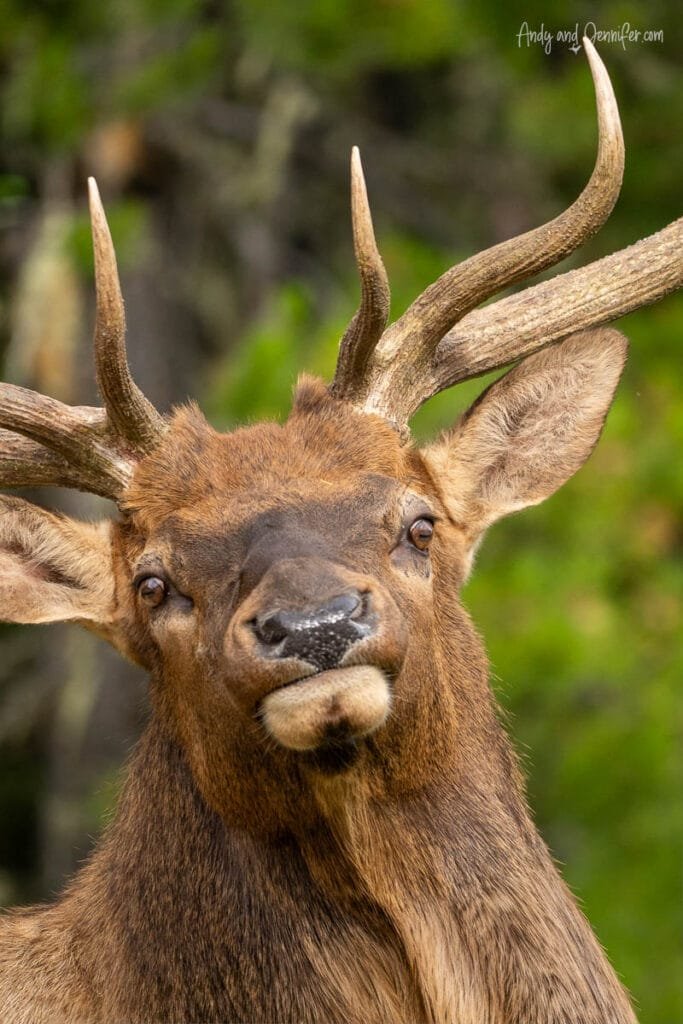
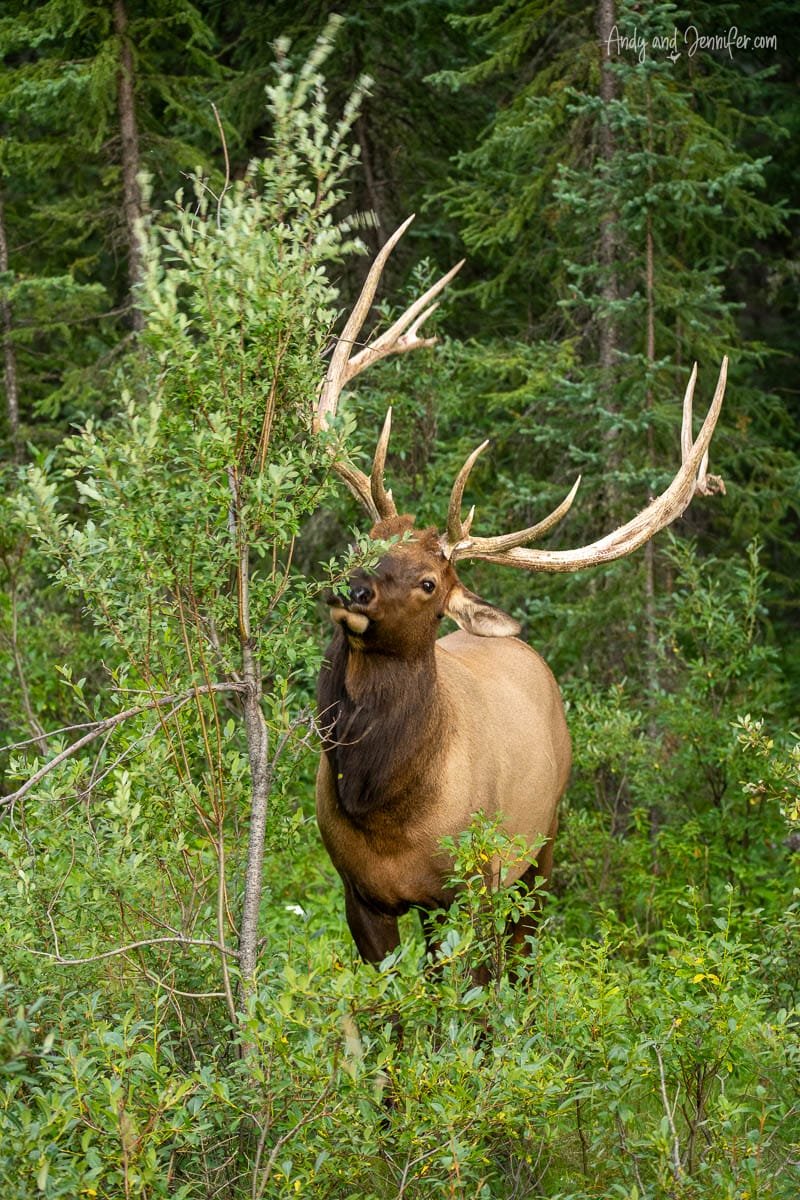
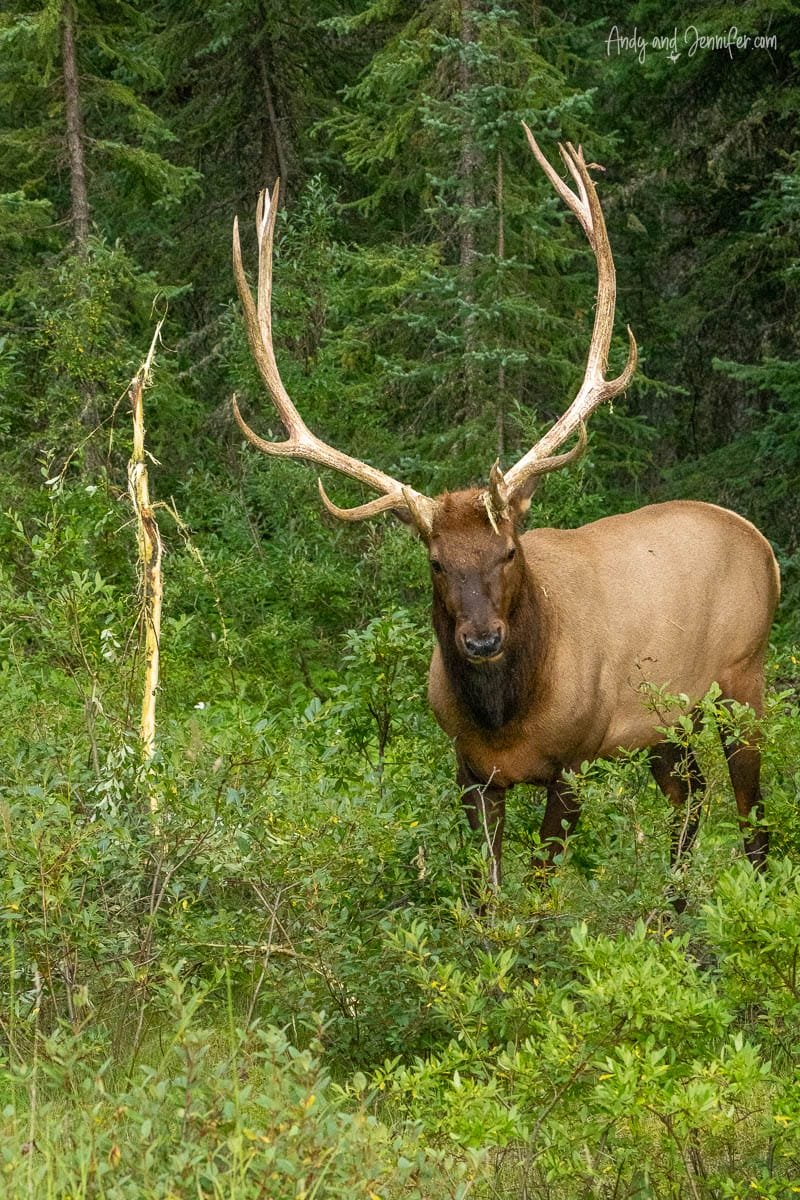
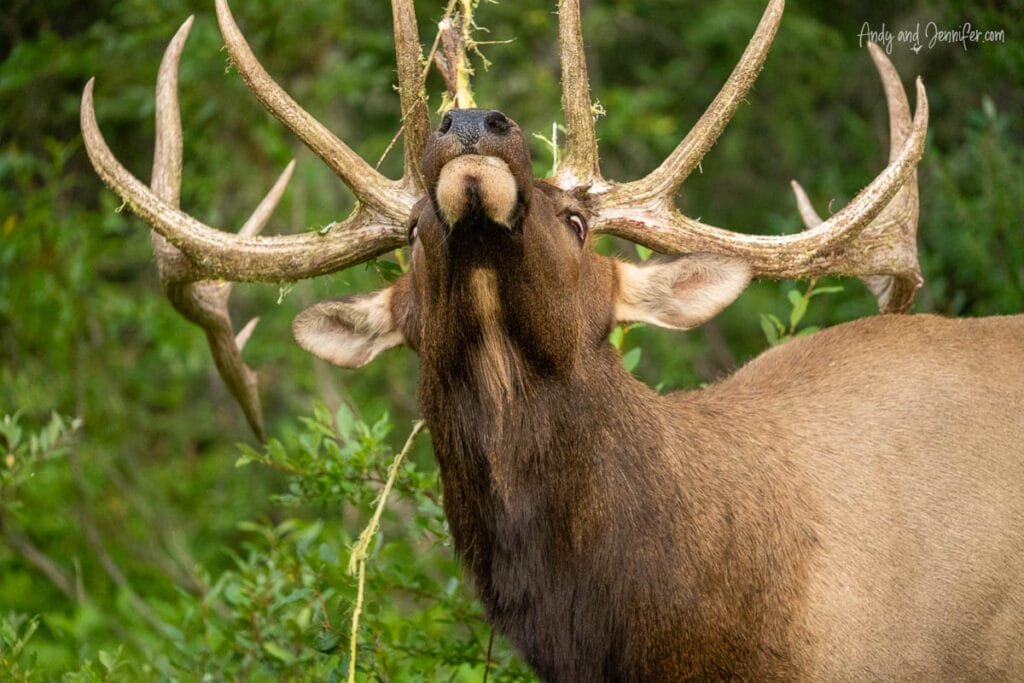
Wrapping Up the Rockies
We’re Andy and Jennifer—two former corporate executives who chose long ago to prioritise experiences over stuff while pursuing our passions for travel and photography. From the Arctic to Antarctica, and most places in between, we’ve captured the world through our lenses and love sharing those stories. Our careers gave us the means, but our purpose is inspiring others to explore and helping people create images they’re proud of.