Changuinola Canal and Bird Island: Wildlife Watching in Bocas del Toro
The plan for our final full day at Tranquilo Bay Nature Lodge was an excursion through the Changuinola Canal in Bocas del Toro. The canal winds through mangroves, wetlands, and lowland rainforest, forming a quiet waterway that links remote forest habitats with Panama’s Caribbean coast.
The region itself grew during the early twentieth-century banana boom, when companies carved routes through the wetlands to move fruit and supplies between plantations and coastal ports. Today, the canal provides access to a very different kind of traffic: birders.
To be honest, full day trips are not always great for photography. The mid-day light isn’t great and the long days can be exhausting, especially when bumping around in a vehicle or on a boat. We were still a little worn out from the day-trip to the mainland! But the lodge owners assured us the canal was worth the effort and reminded us that we could sleep when we got home. This made us laugh because we still had about six weeks to go. But they had a point, so off we went.
The Canal Bathroom
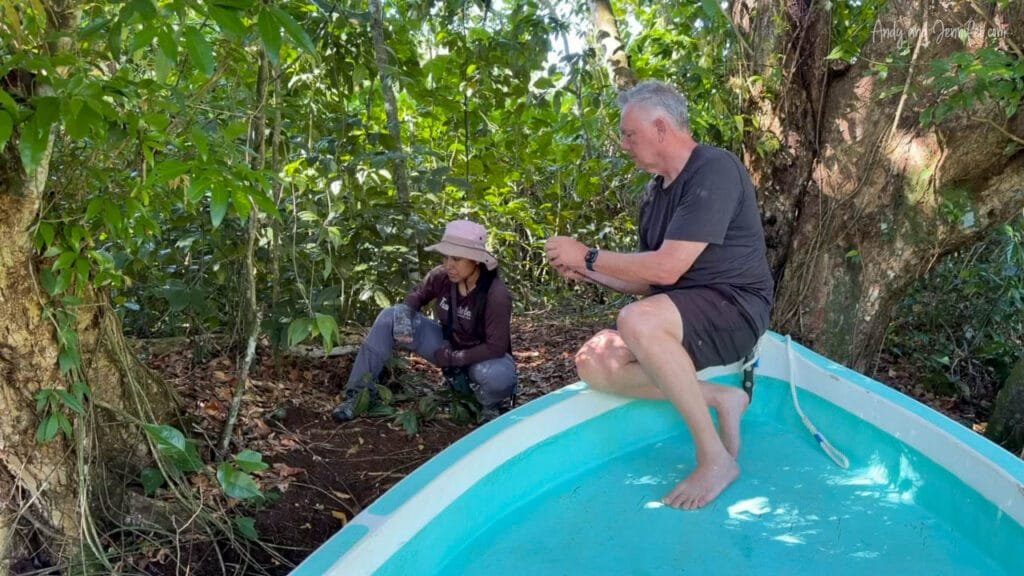
For a full-day excursion on a very small boat, you might reasonably wonder about the bathroom situation. About an hour into the ride we pulled up beside a small shack perched on a rickety dock along the Changuinola Canal. It served as the official bathroom stop.
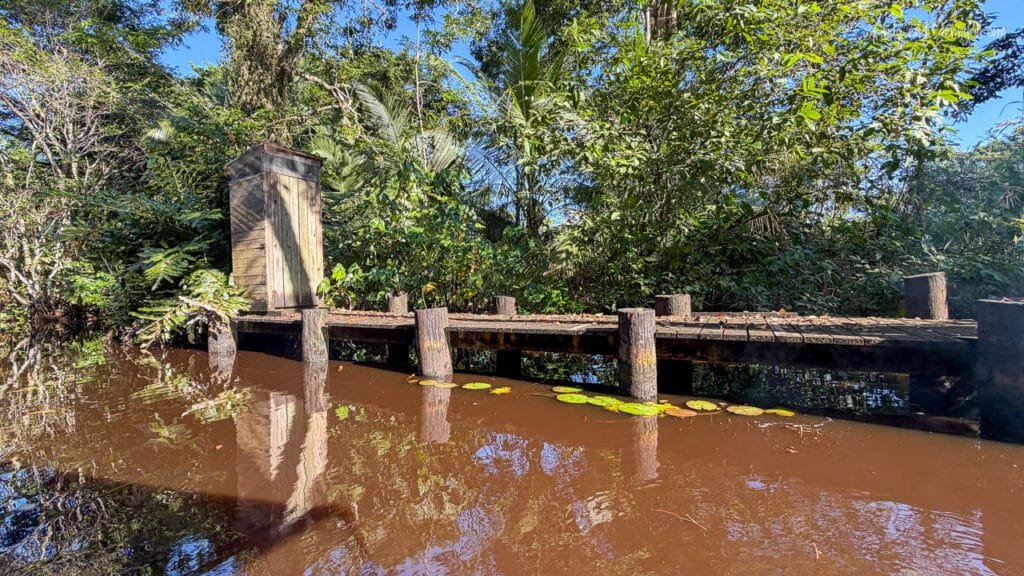
I decided I didn’t really need to go yet and assumed there would be a better opportunity later. That turned out to be optimistic. The other bathroom later in the day involved squatting behind a tree. So the canal shack was, in fact, the luxury restroom of the trip.
Life Along the Changuinola Canal
The canal itself was fascinating.
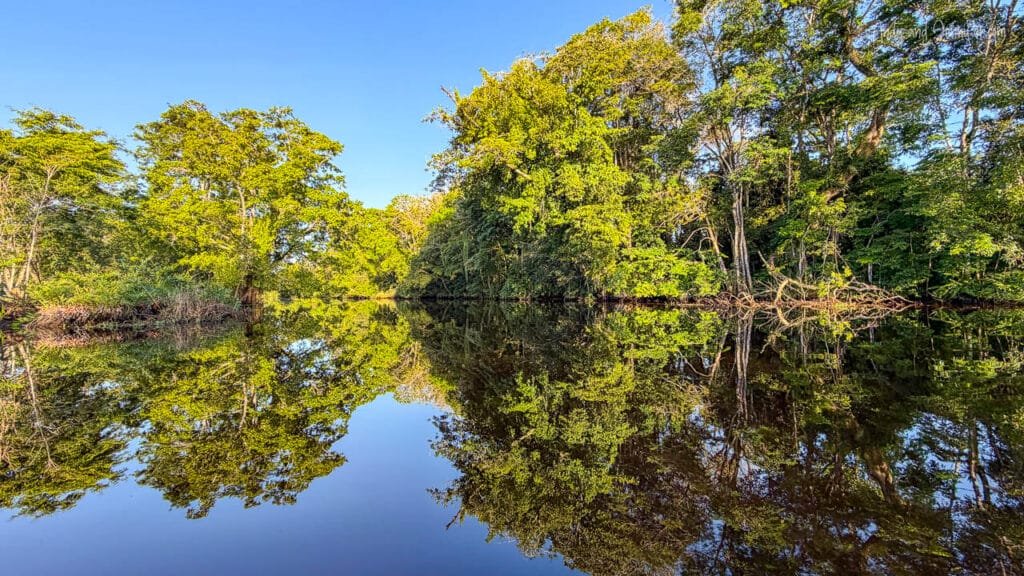
The waterway cuts through dense rainforest, but in many places the trees lean out over the water. This created long stretches of shade that made the ride surprisingly comfortable despite the heat. In some sections, we could even hear waves crashing along the nearby Caribbean coast.
We occasionally passed people travelling in traditional dugout canoes, paddling slowly along the canal. Each time we saw one, we found ourselves wondering where they were coming from and where they were going.
Wildlife appeared steadily throughout the morning.
Memorable sightings included black hawks, grey-cowled wood rails, and green herons, and at one point watched a kettle of turkey vultures circling high above the forest canopy. We could hear mantled howler monkeys calling somewhere deep in the trees, though they remained hidden for most of the day.
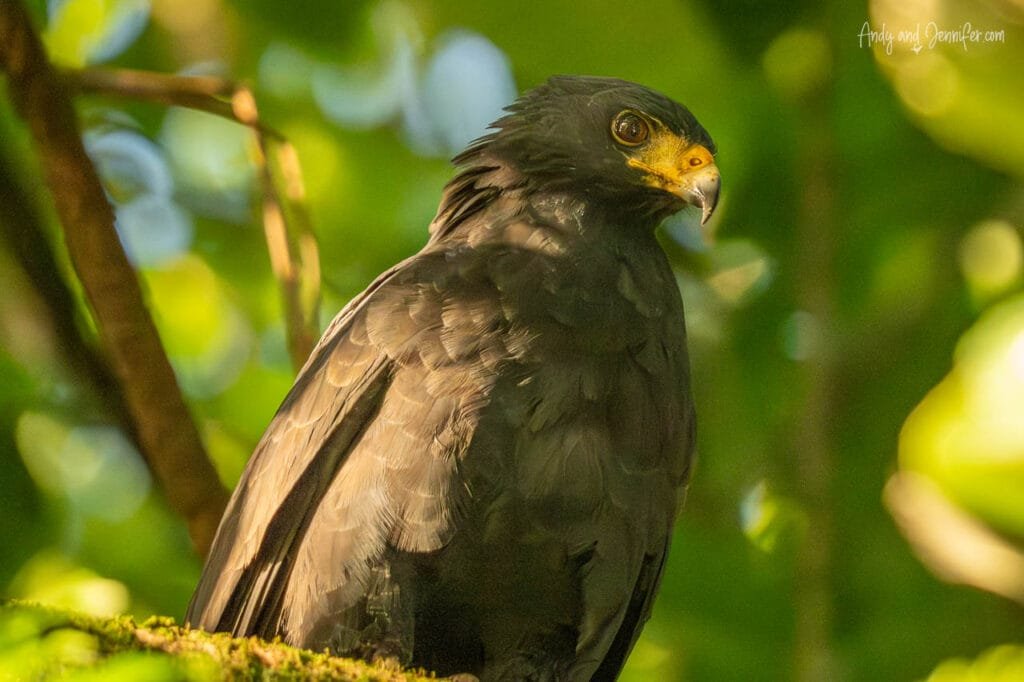
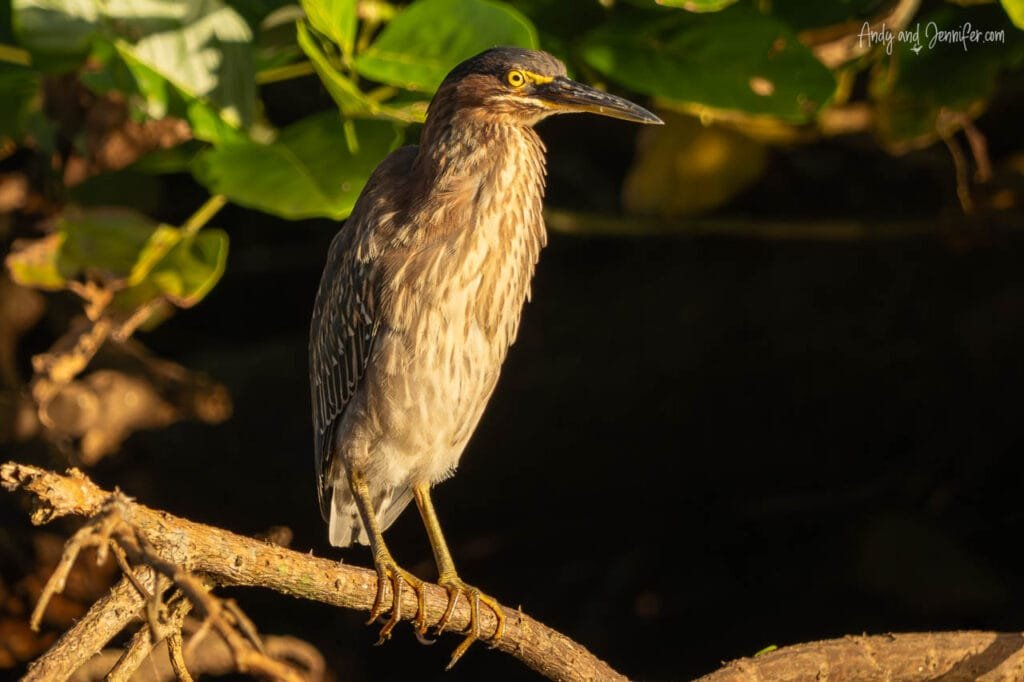
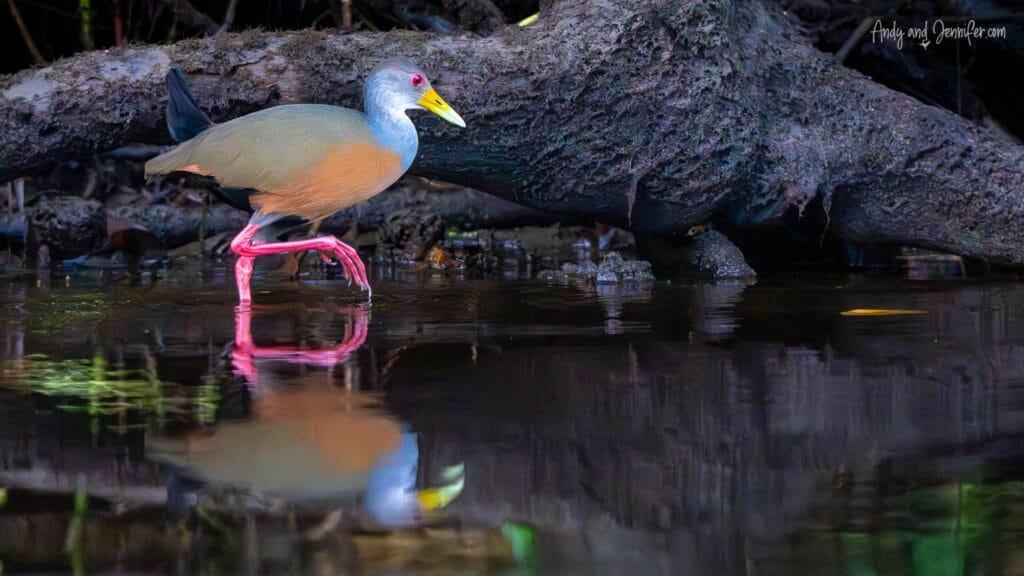
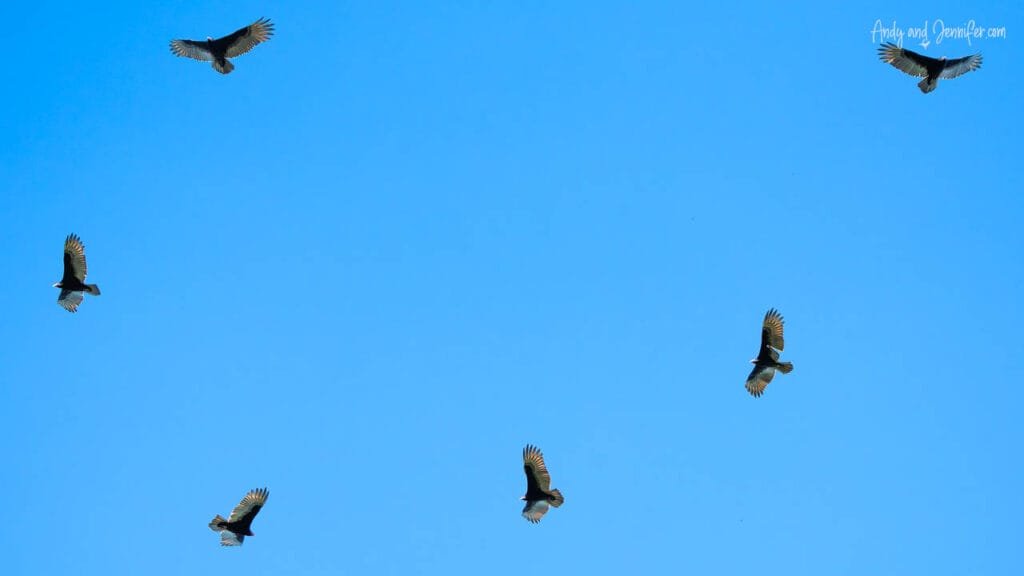
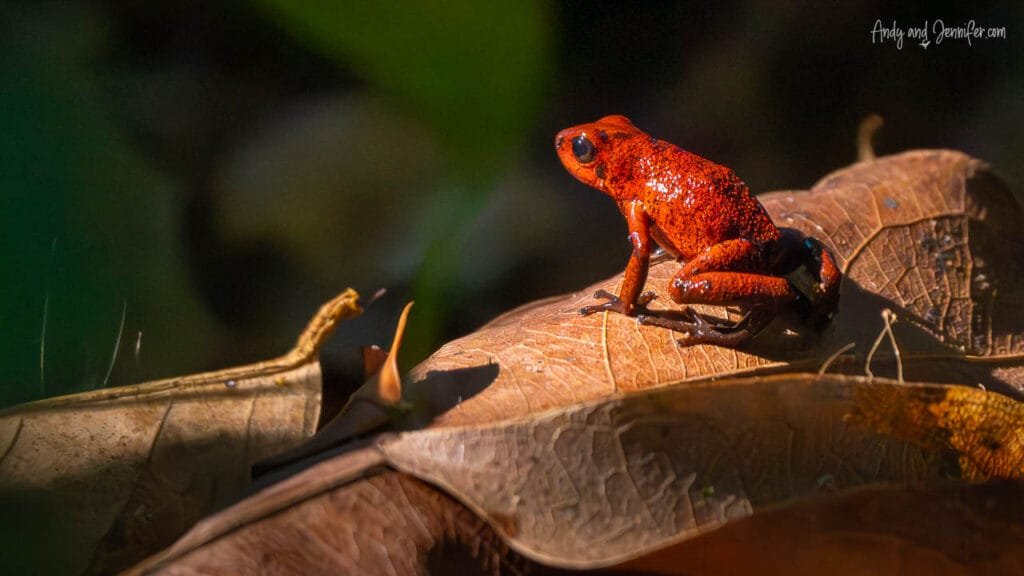
We also stopped briefly to photograph another poison dart frog. This one was sitting in direct sunlight rather than deep shade, which made the colours far easier to capture.
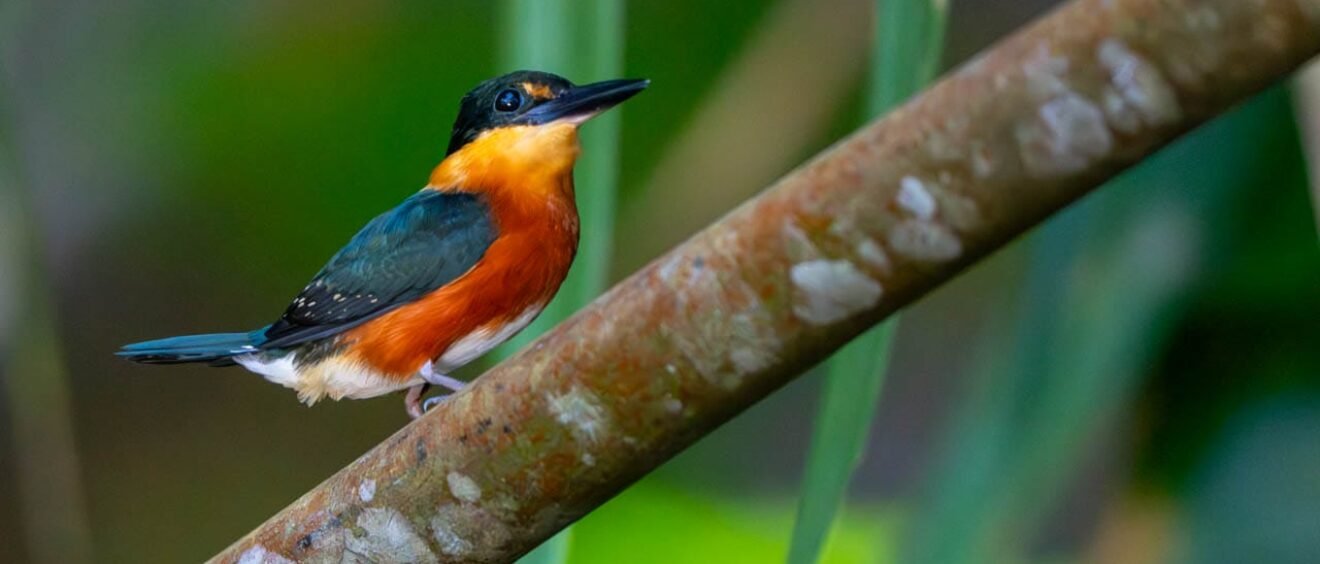
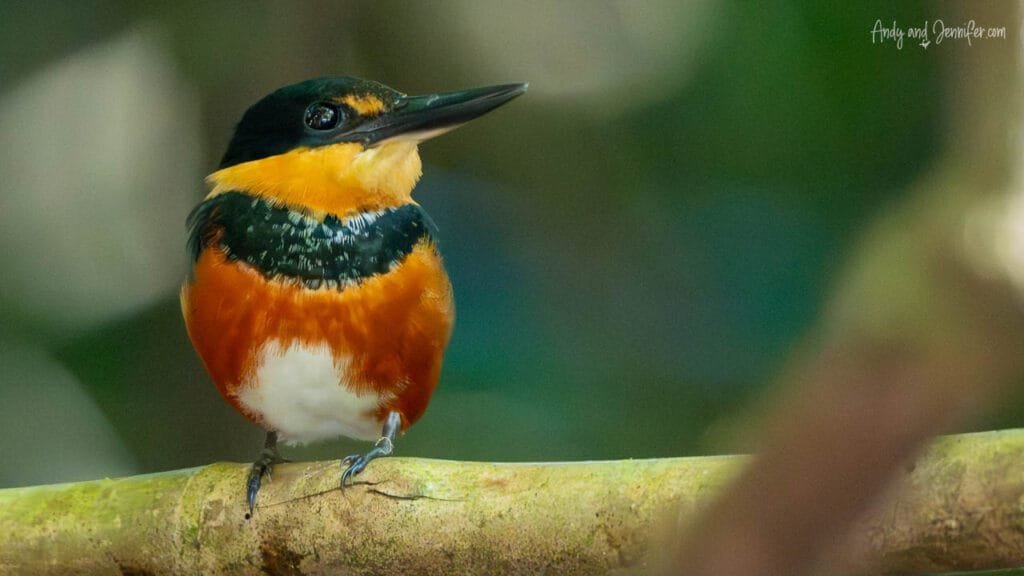
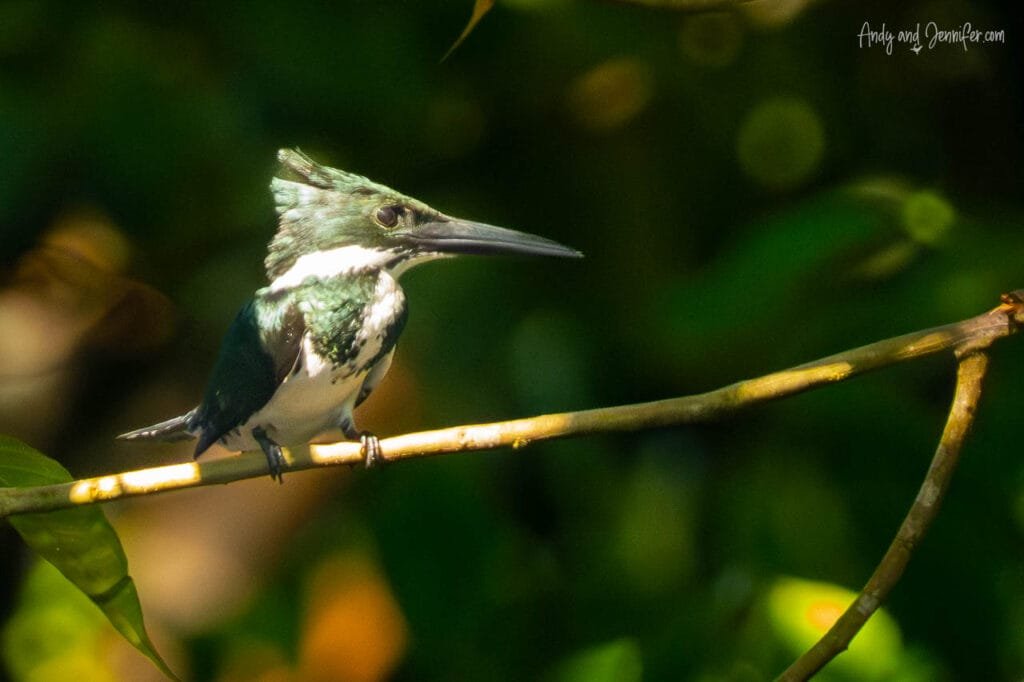
Further along we added both American pygmy kingfisher and Amazon kingfisher to the day’s growing bird list.
At the Mouth of the Río Changuinola
Eventually we reached the mouth of the Río Changuinola, where the landscape opened into wider wetlands and estuarine habitat. Horses and cattle grazed along the banks. Across the river the water widened into an estuary filled with bird activity. Cormorants, pelicans, egrets, terns, kites, and tiger herons moved through the shallows, creating one of the busiest stretches of the day.
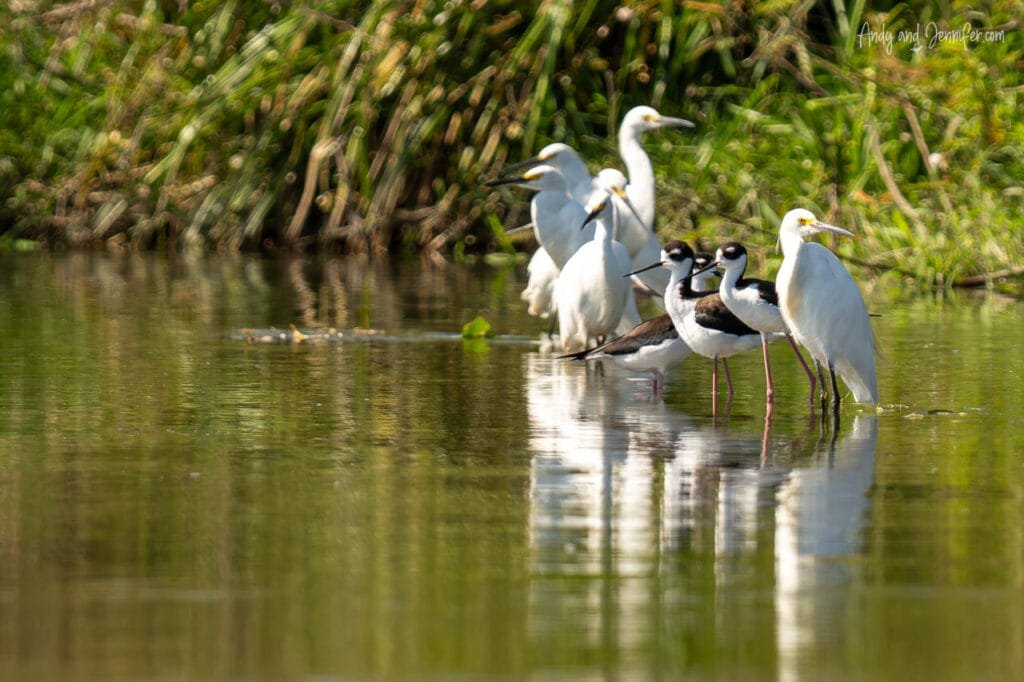
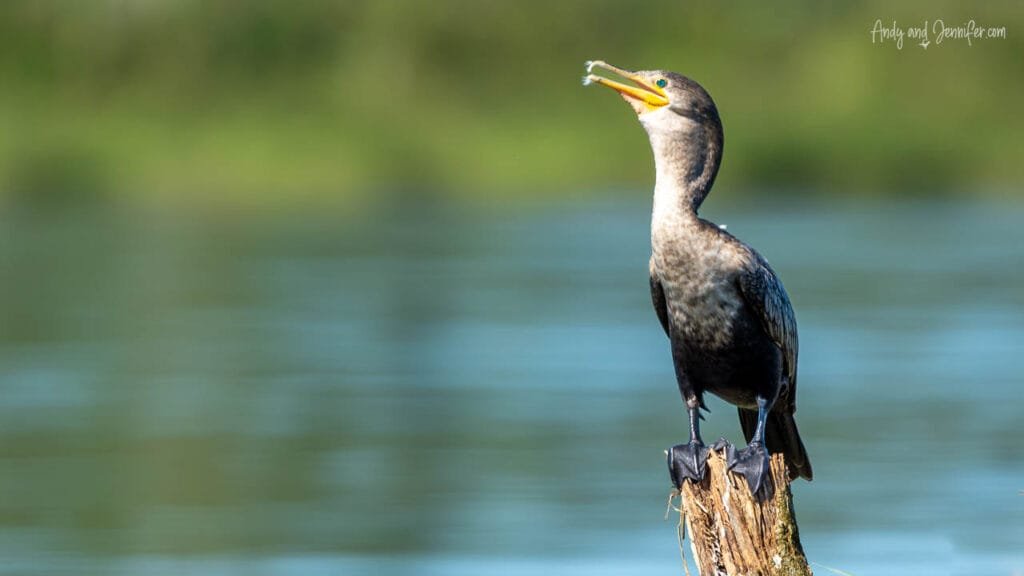
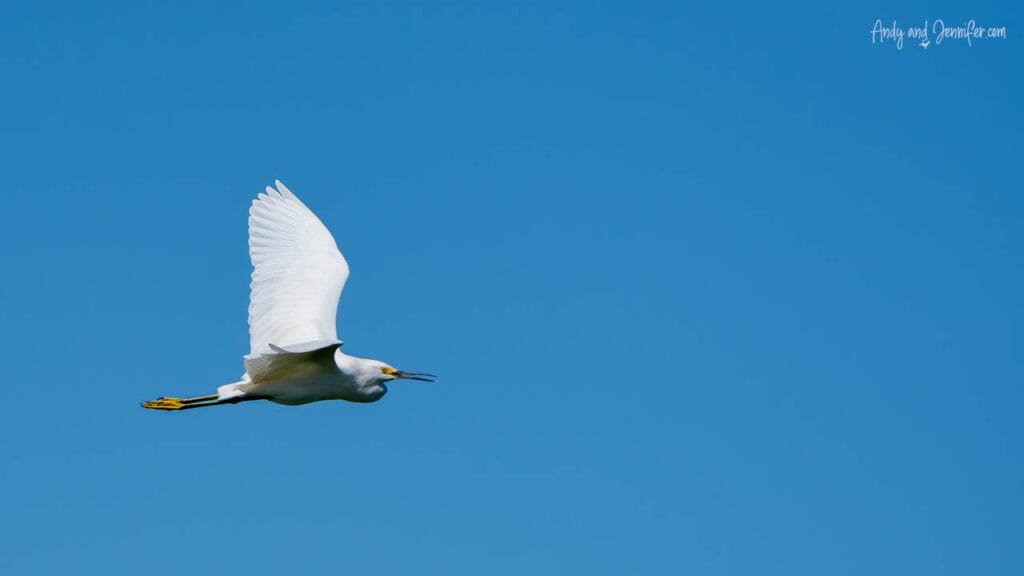
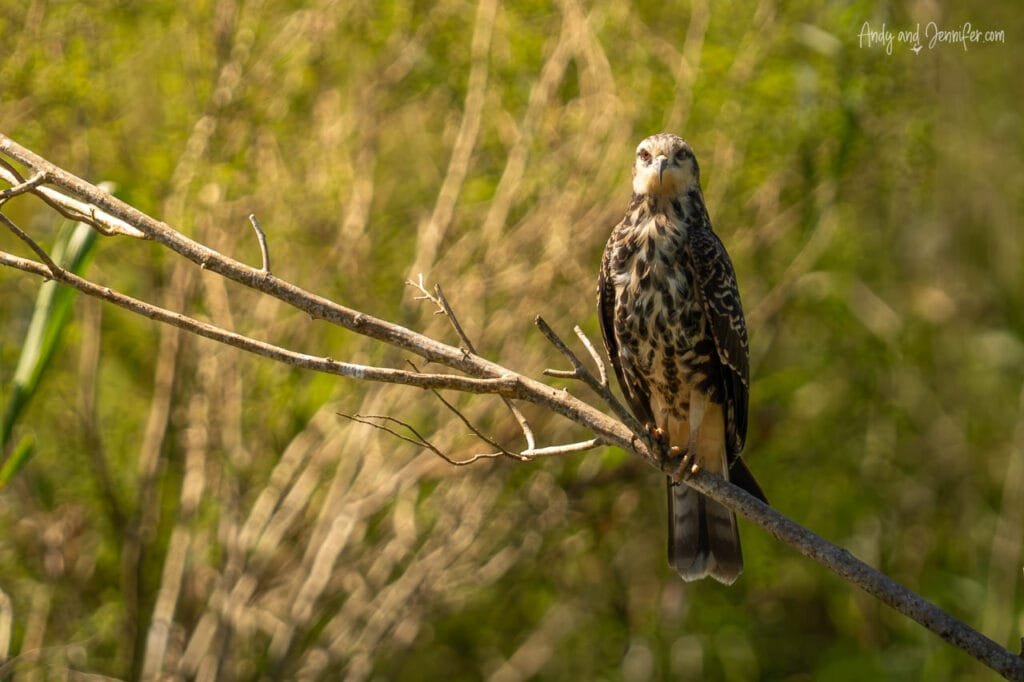
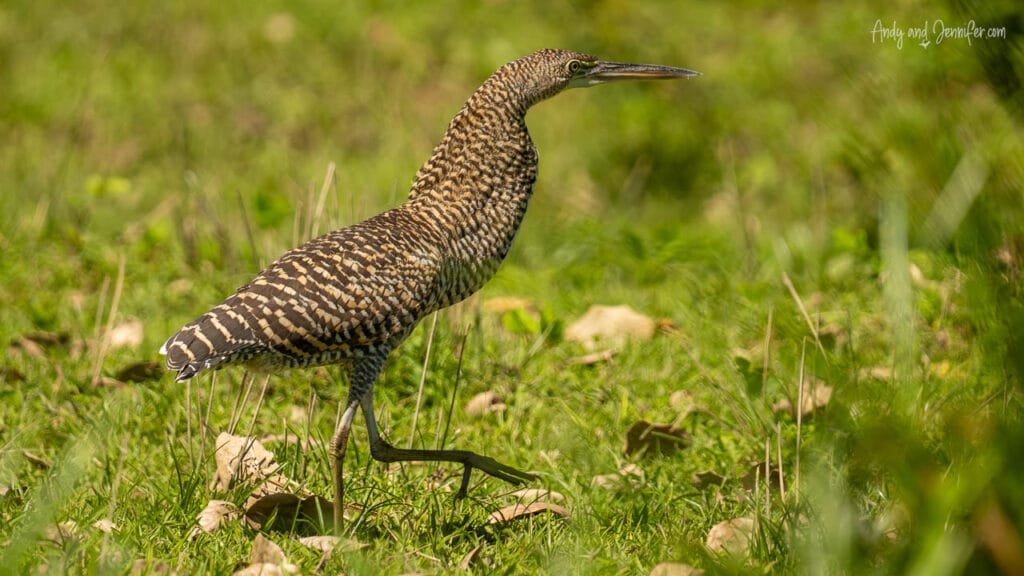
We stopped for lunch under a patch of shade along the shoreline, which also provided the aforementioned tree that served as the afternoon restroom.
Finally, a Howler Monkey
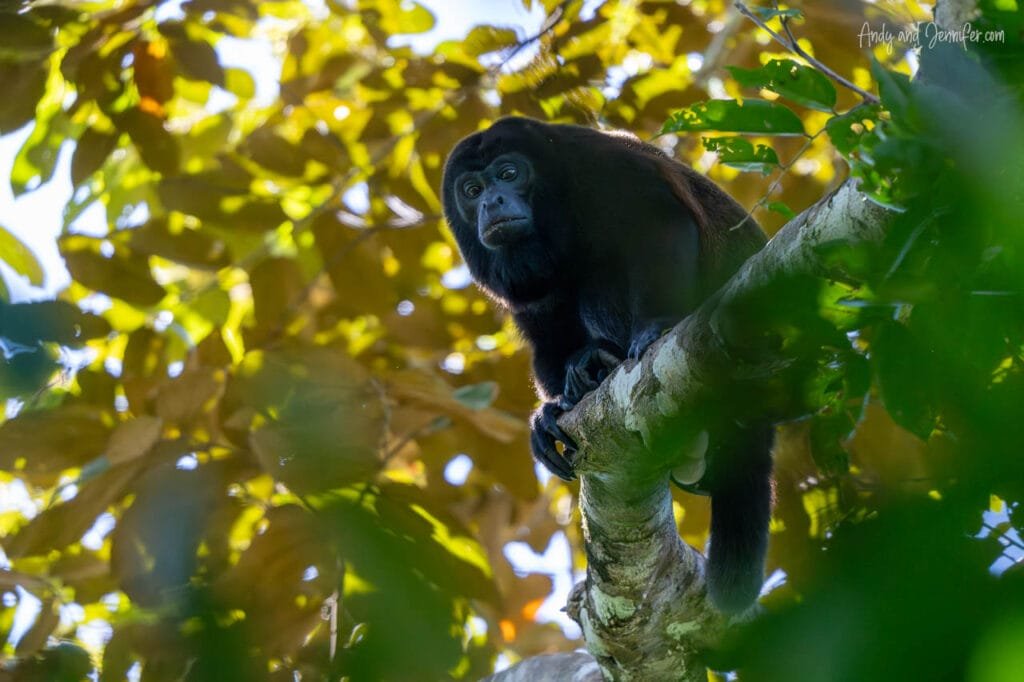
On the return journey through the canal, we finally spotted what had been making all the noise earlier in the day. A mantled howler monkey appeared high in the canopy, watching us quietly as the boat passed beneath. After hearing them throughout the morning, it was satisfying to finally put a face to the sound.
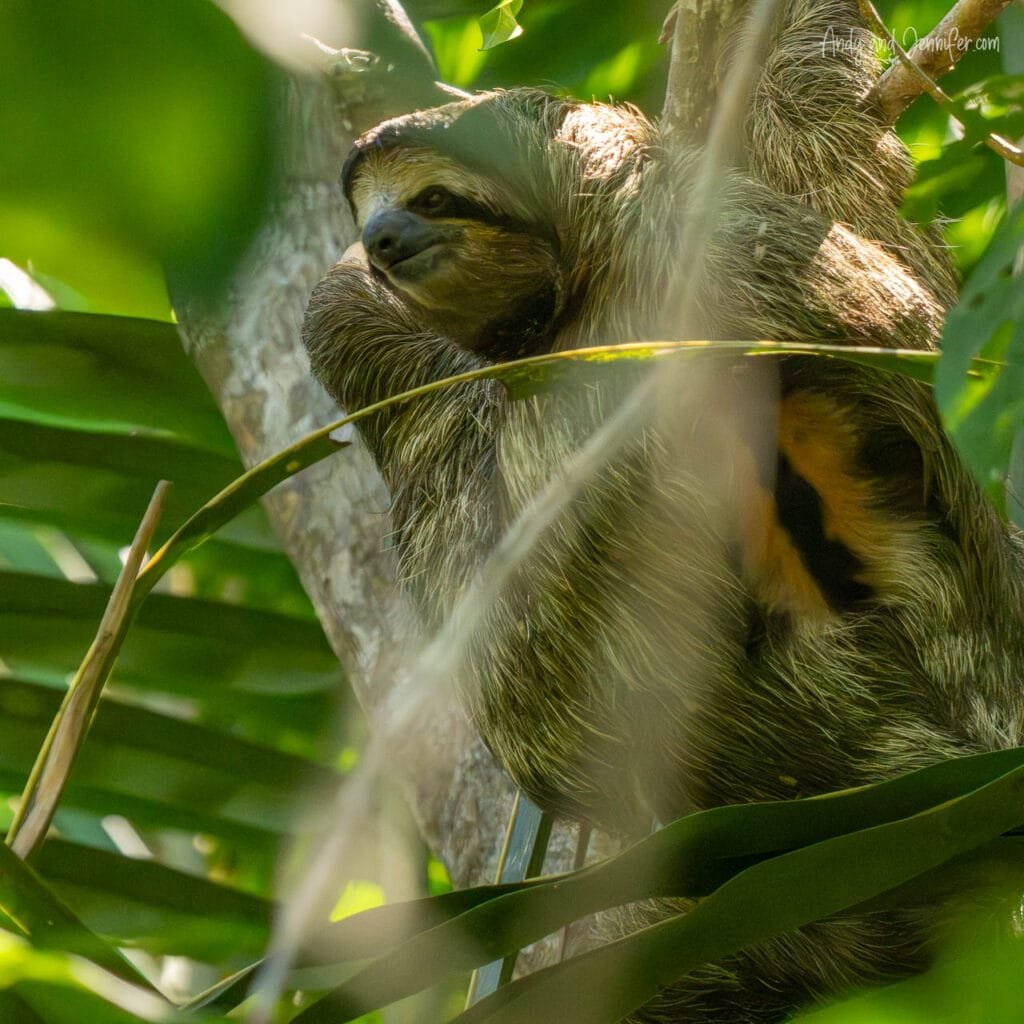
We also stopped to watch a sloth, which somehow managed to look unbothered by the heat and humidity.
Bird Island and Red-Billed Tropicbirds
Our final stop was Bird Island, known locally as Isla Pájaros, a small rocky island located about twenty minutes from the entrance to the Changuinola Canal. From a distance it looked unremarkable, just a rocky outcrop rising from the Caribbean Sea. As we approached, however, the air filled with birds.
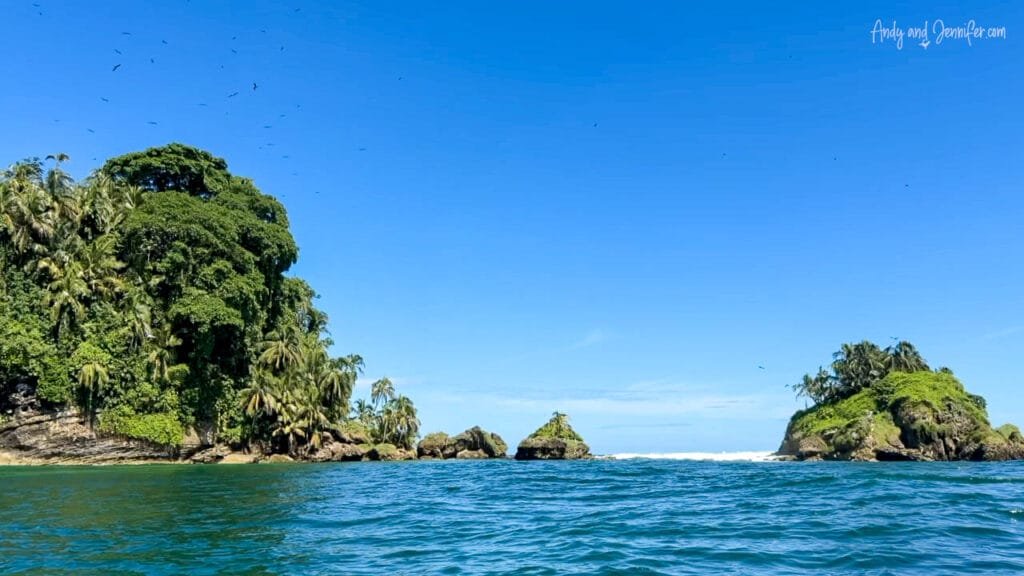
We spotted our first red-billed tropicbird before even reaching the island. Their long streaming tail feathers looked almost unreal against the deep blue ocean and bright blue sky.
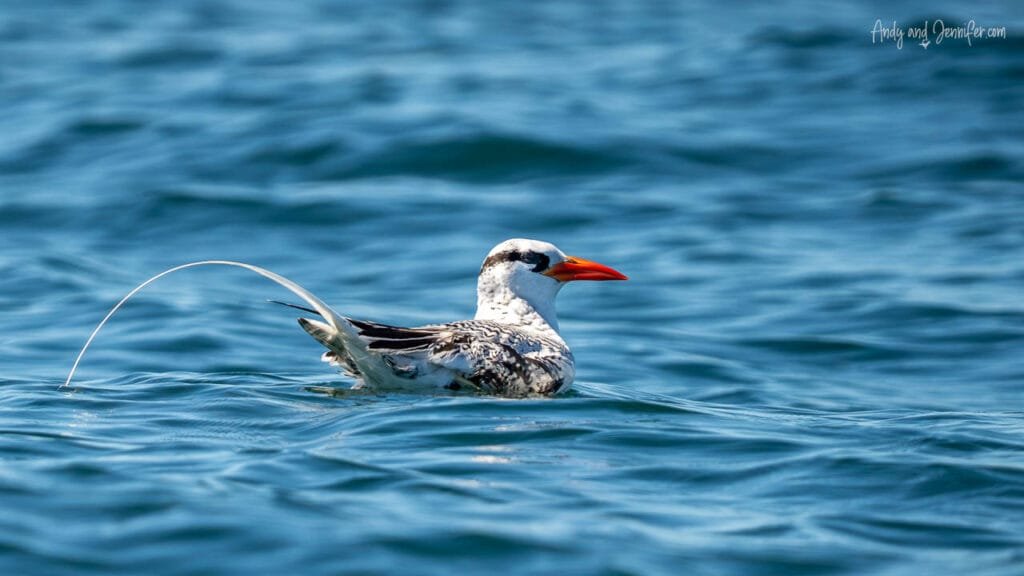
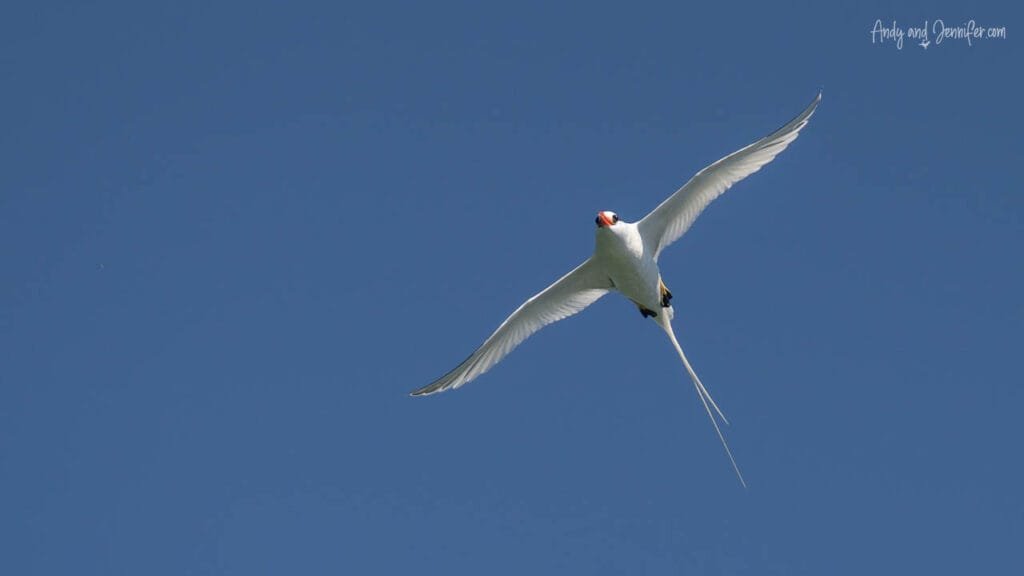
Once closer, we could see dozens of birds moving around the cliffs. Brown boobies occupied ledges around the island, including several chicks that were considerably less elegant than the adults.
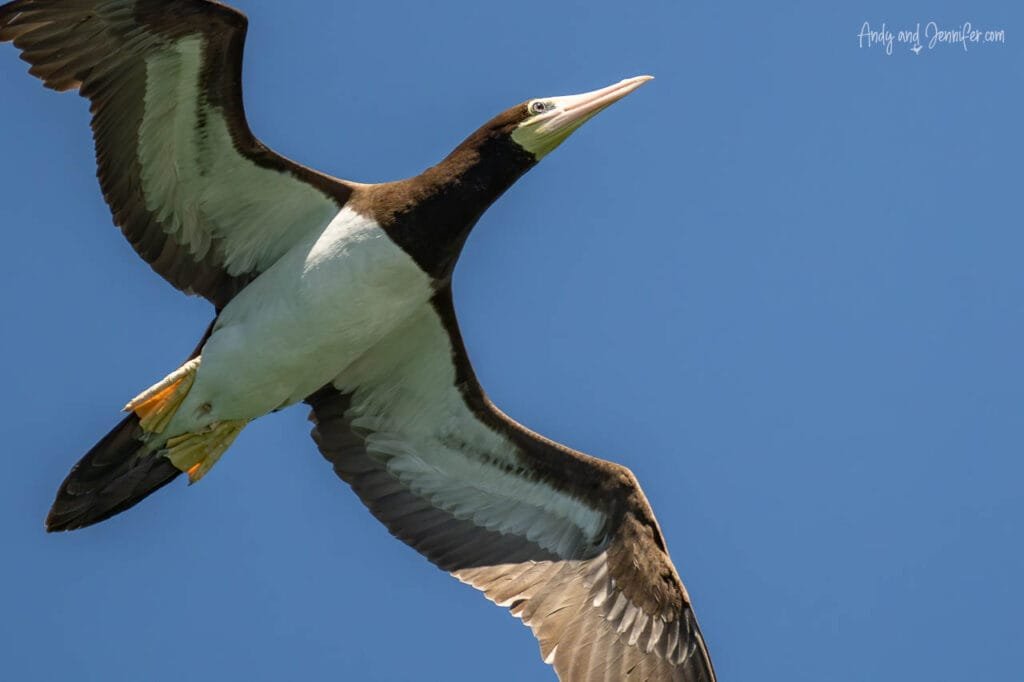
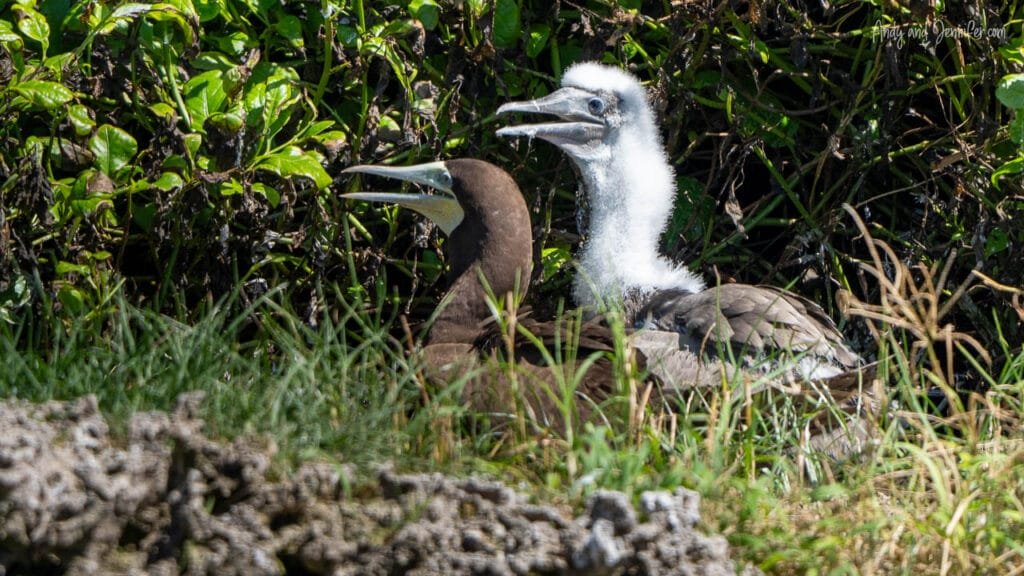
The boat rocked from side to side and rose and fell in the swell as we watched. The motion, combined with looking through a telephoto lens, reminded me of our trip to photograph tufted puffins off the coast of British Columbia. The light was perfect, though, with a bright sky that made the white tropicbirds stand out beautifully.
Was it worth the long day? 100% yes.
Next up –> Flying from Bocas del Toro to San Jose, Costa Rica

We’re Andy and Jennifer—two former corporate executives who chose long ago to prioritise experiences over stuff while pursuing our passions for travel and photography. From the Arctic to Antarctica, and most places in between, we’ve captured the world through our lenses and love sharing those stories. Our careers gave us the means, but our purpose is inspiring others to explore and helping people create images they’re proud of.