
Stromness, Gritviken & Four Days at Sea
- The Things We’ll do For Penguins: An Expedition from South America to Africa to (Hopefully) see the Northern Rockhopper
- Birding in Santiago and Embarking on our Cape to Cape Expedition
- A Delayed Departure From Puerto Williams Aboard the Silver Wind
- A Day in Stanley and a Trip to Gypsy Cove
- A Perfect Landing at Salisbury Plain and a Cruise around Prince Olaf Harbour
- Rain at Jason Harbour and the Wind Wins at Gritviken
- Stromness, Gritviken & Four Days at Sea
- Nightingale Island: The Landing We Couldn’t Count On
- Landing on Tristan da Cunha - the Most Remote Inhabited Island in the World
- Four Days at Sea and the Unexpected End to Our Tristan da Cunha Expedition
After the frustrations of the previous day, it was a relief to wake to sunshine at Stromness.
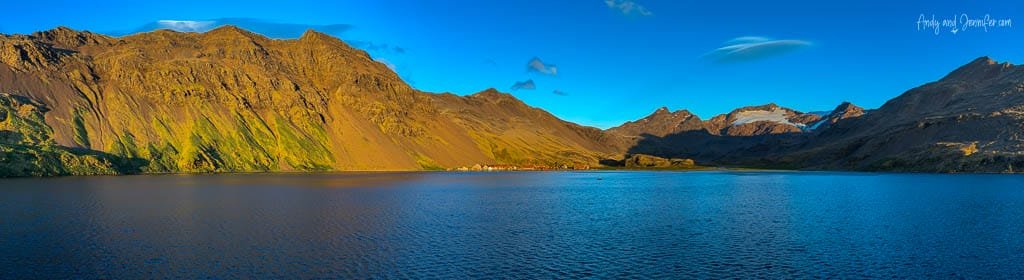
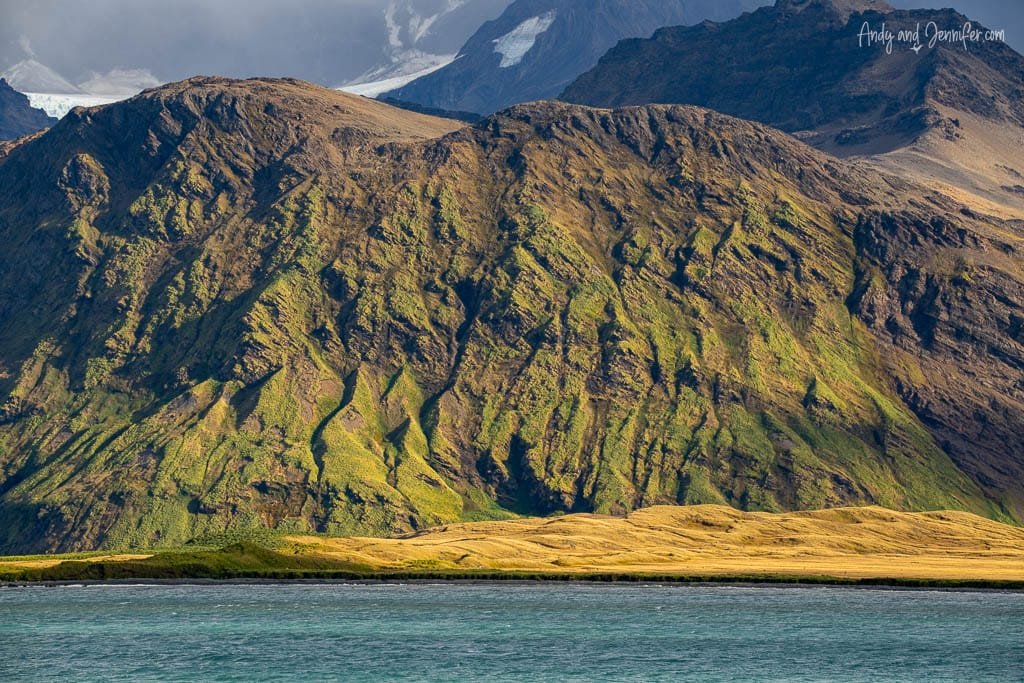
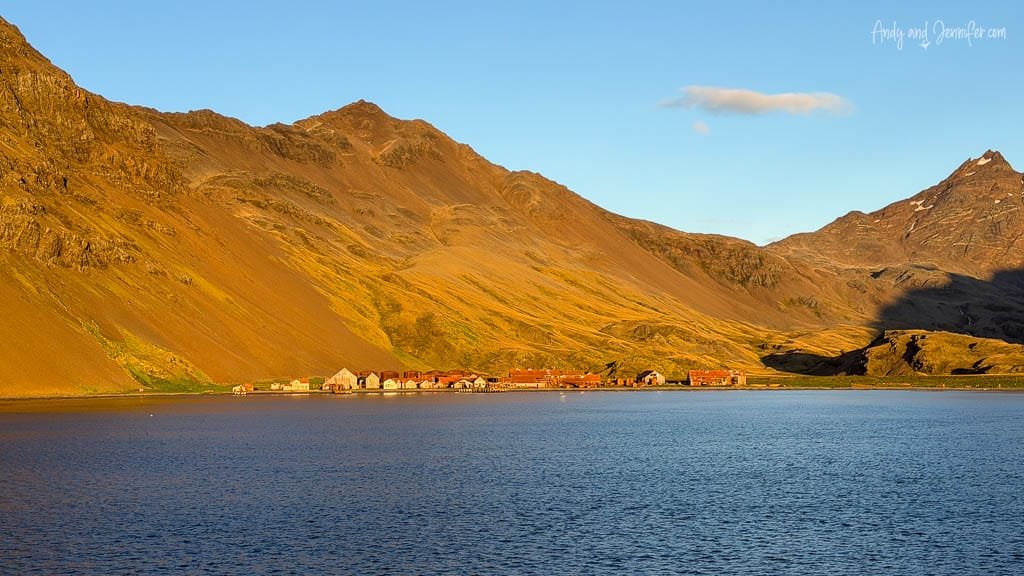
A Landing at Stromness
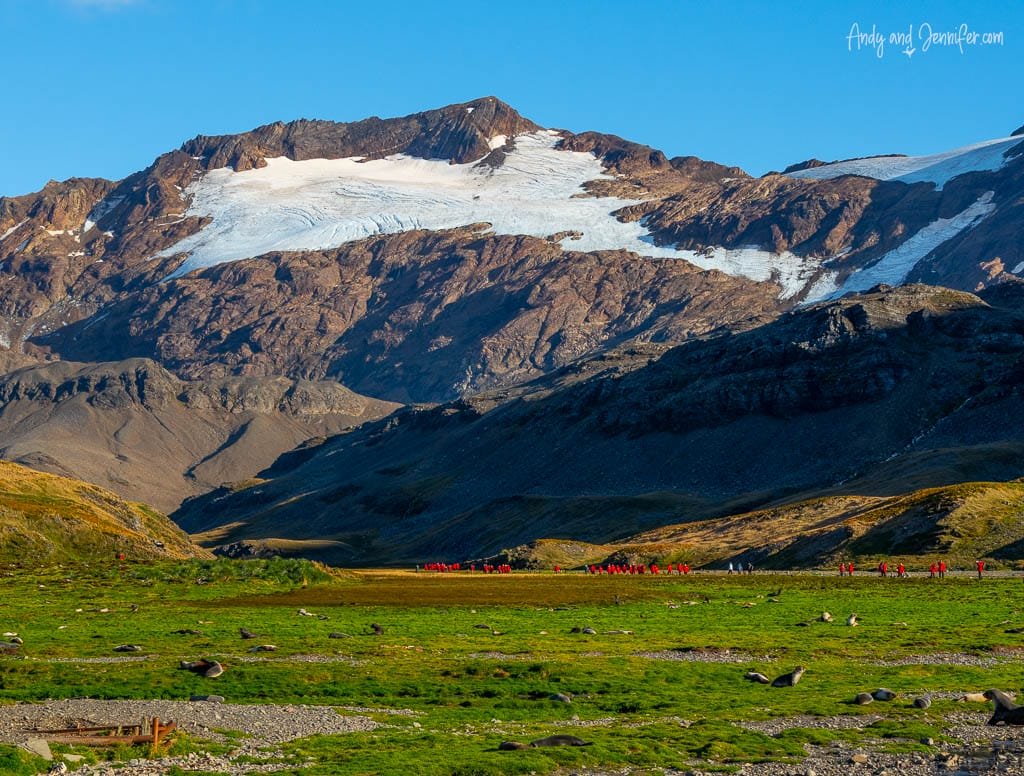
It was still windy, but the forecast was improving, and for the first time on the voyage our Group 3 was called in the first round of landings.
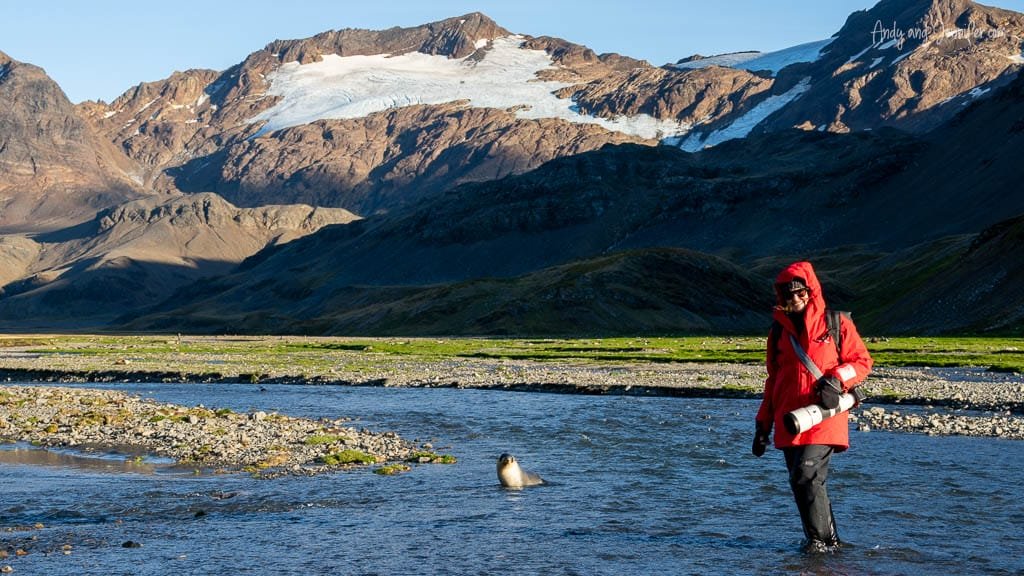
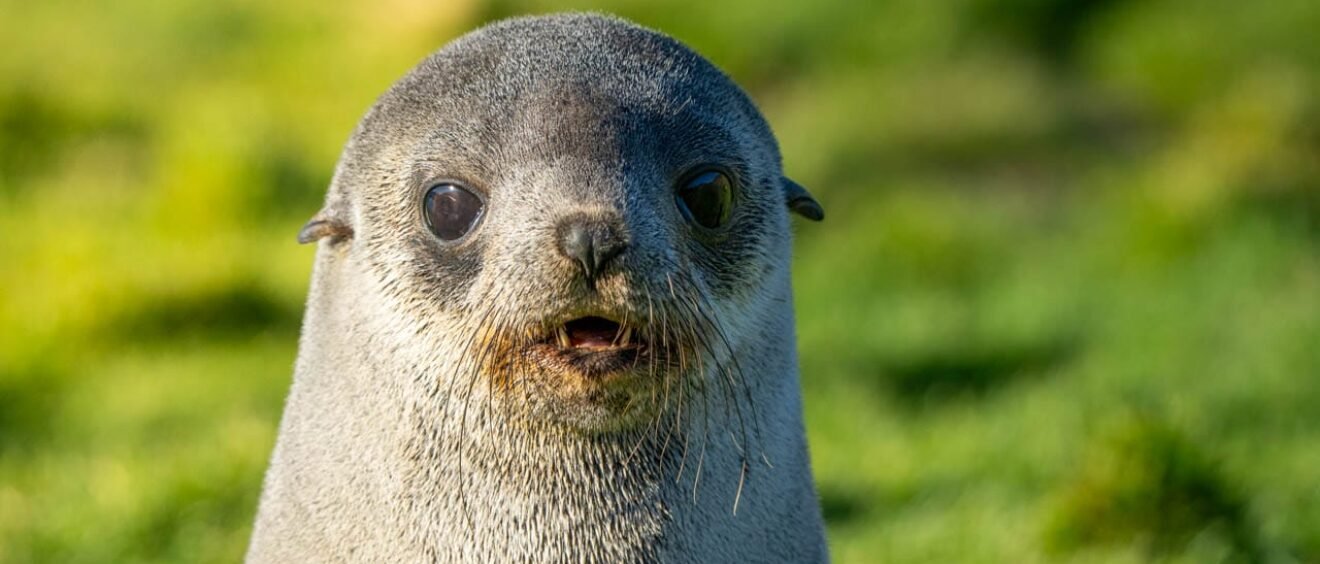
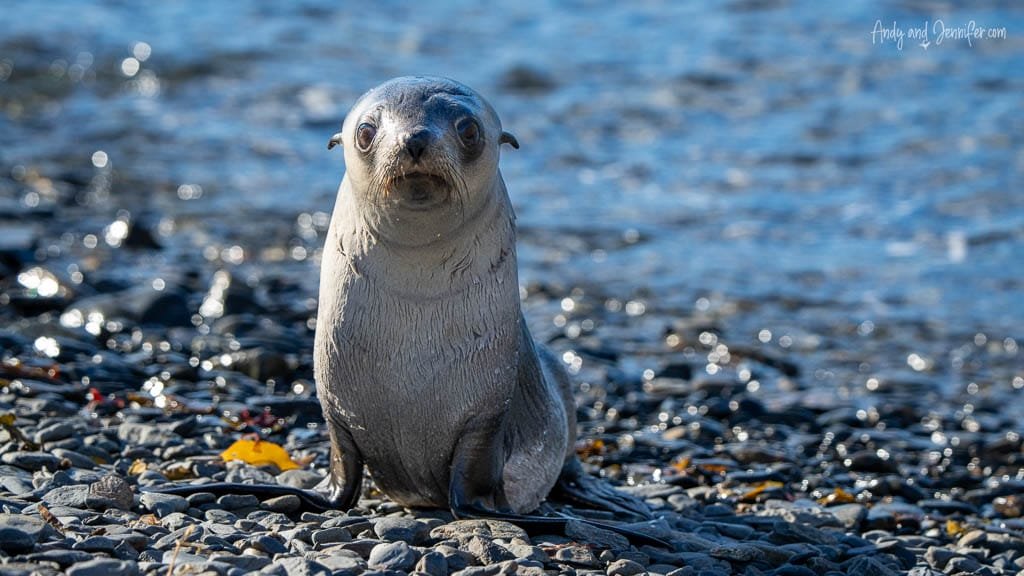
The gusts were still strong enough to knock you off balance, but once ashore the wildlife quickly became the focus. Fur seal pups seemed to be everywhere.
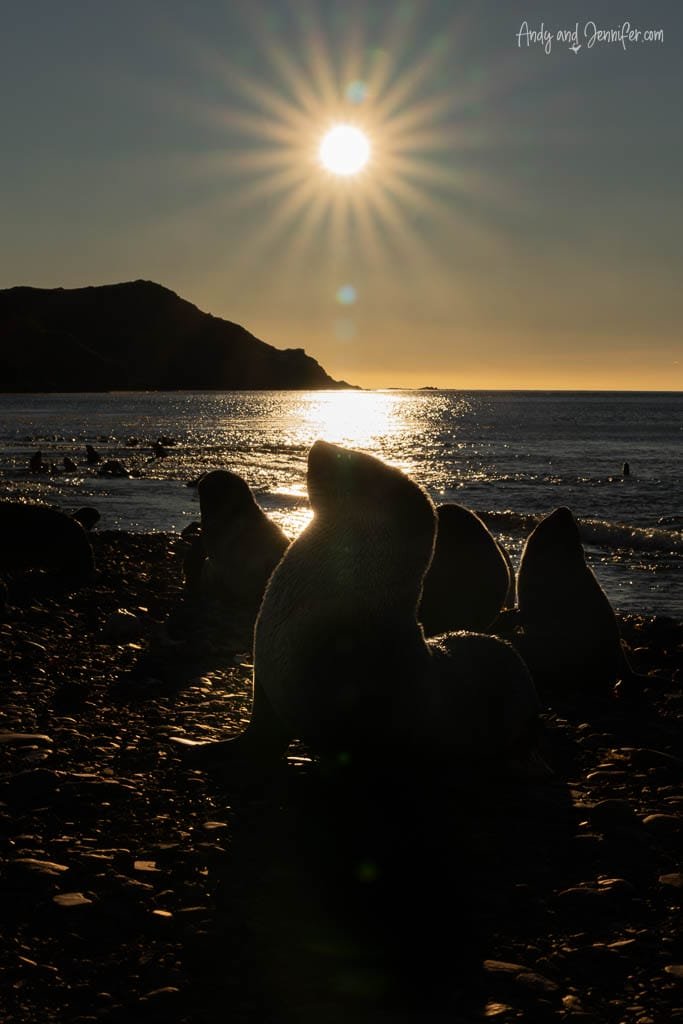
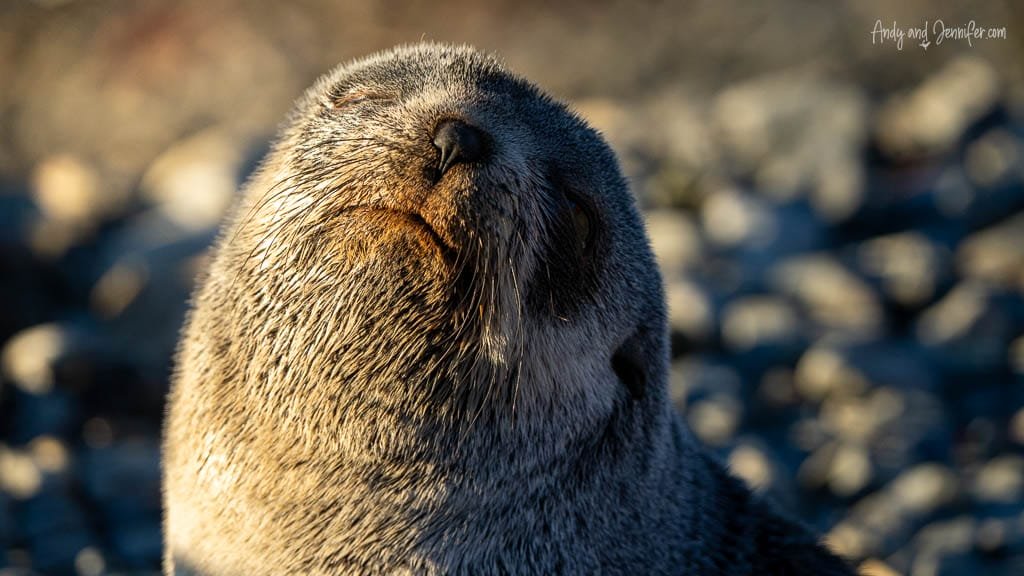
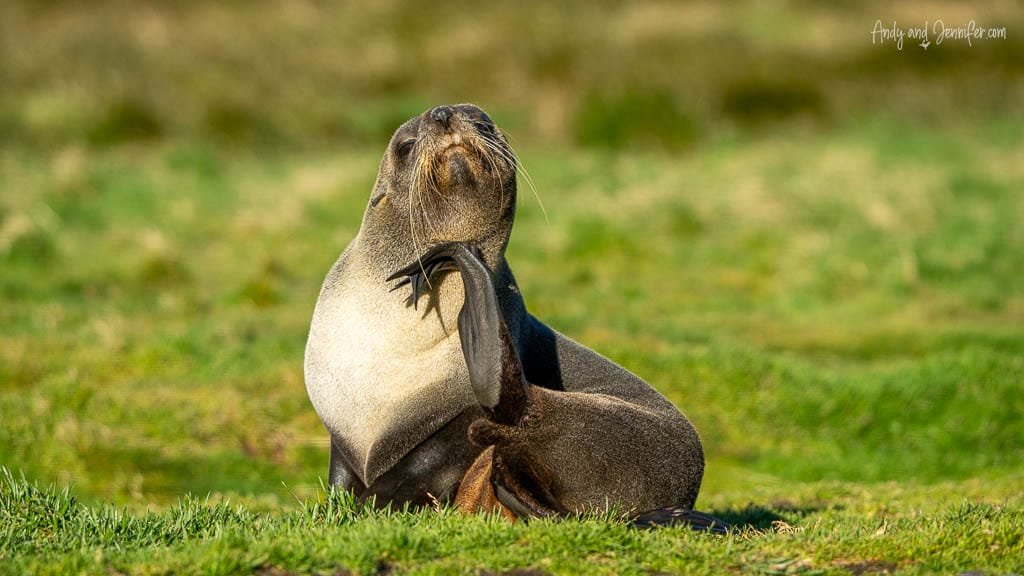
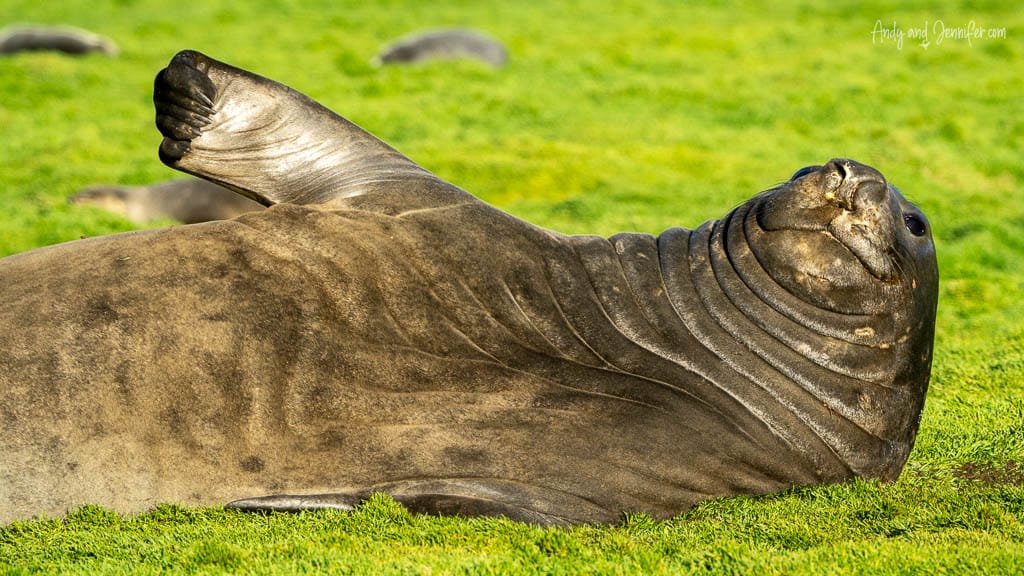
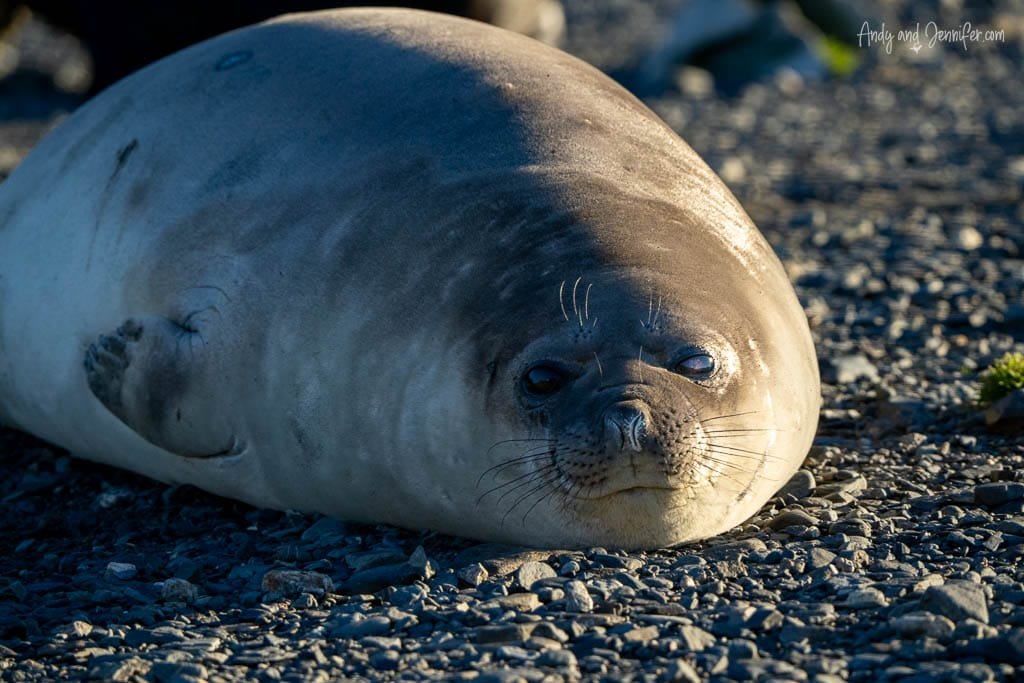
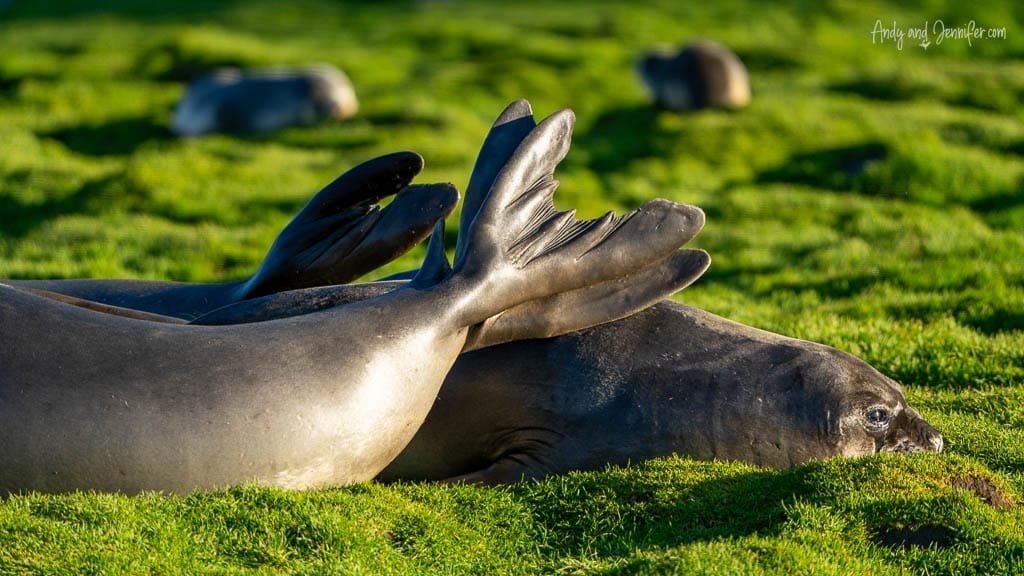
We first walked along the beach to see the southern elephant seals.
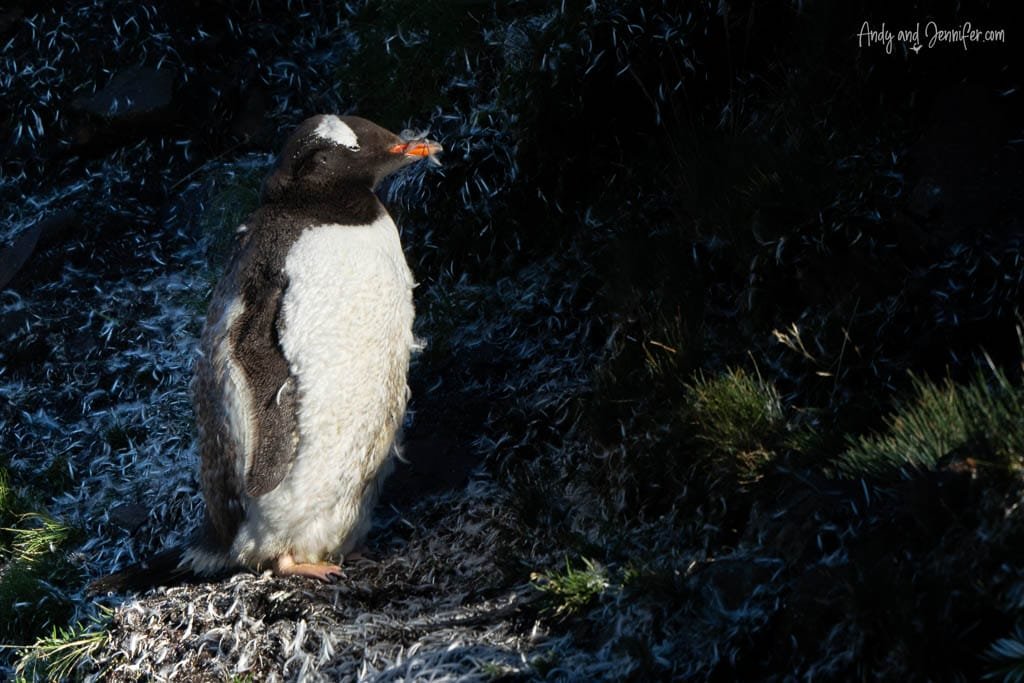
They weren’t too active so we made our way up to the gentoo penguin colony. They were moulting though and it didn’t look too pleasant.
There was also an optional walk to the base of the nearby waterfall, which around 150 passengers chose to do. Andy had hiked to the top of the falls in 2024, so we decided to skip it.
One of the highlights was simply standing along the shoreline watching the water. It seemed to be boiling with fur seals, with heads constantly popping up as they swam back and forth through the bay.
A Second Attempt at Grytvyken
During lunch, the Silver Wind returned to Grytviken for a second attempt at the landing that had been cancelled the previous afternoon. We picked up the South Georgia government representative once again, and this time the South Georgia Heritage Trust staff were able to came aboard to give their presentation.
Because we were in the first zodiac group, our clothing and gear received the extra inspection. The first few passengers were checked thoroughly by the government officials, and the ship passed without finding a single seed or contaminant.
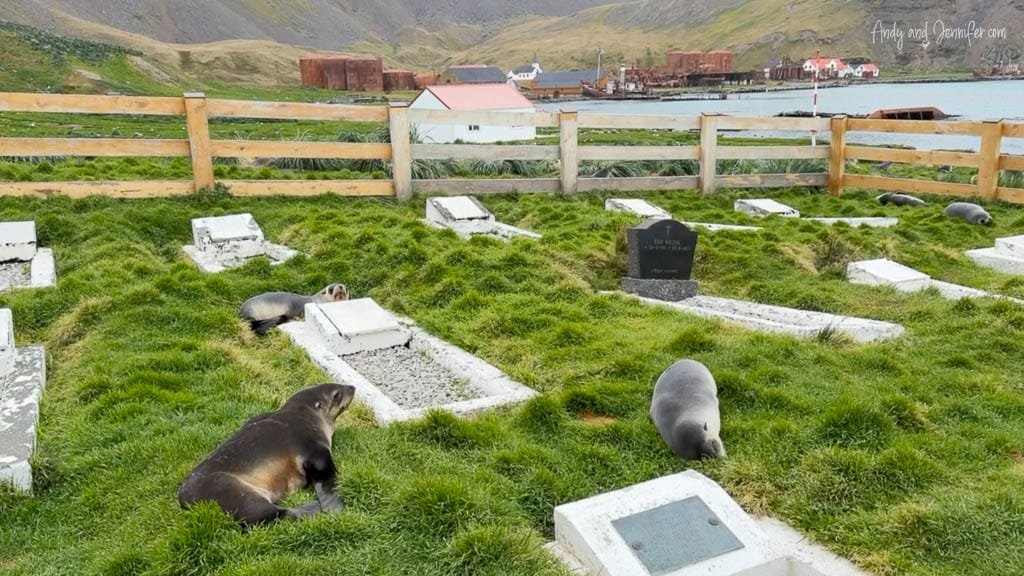
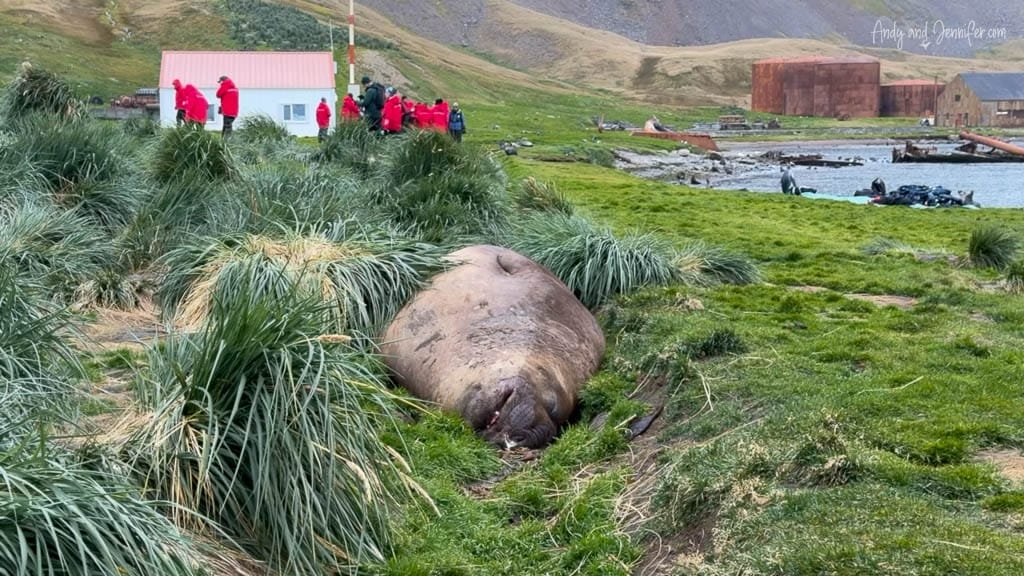
We landed near the cemetery, where Shackleton is buried, before exploring the rest of Grytviken. A huge elephant seal lay motionless in a drainage ditch, looking for all the world as though it had died, until it suddenly reminded everyone otherwise. A lone king penguin wandered nearby, while fur seals seemed to occupy almost every available patch of ground.
The traditional whisky toast at Shackleton’s grave was offered, although pineapple juice was available as an alternative. It was a fairly informal affair, with no real presentation before everyone dispersed to explore.
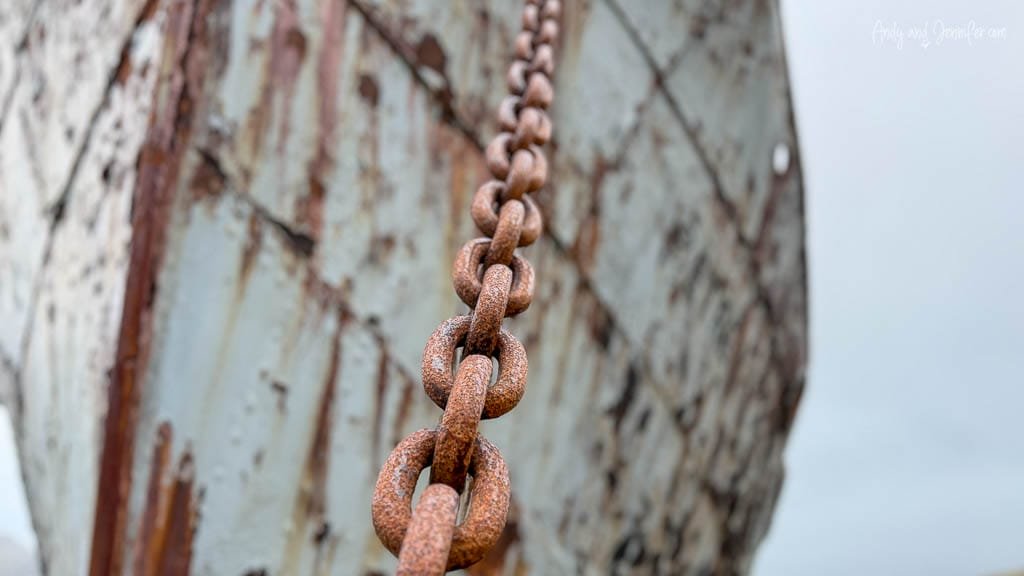
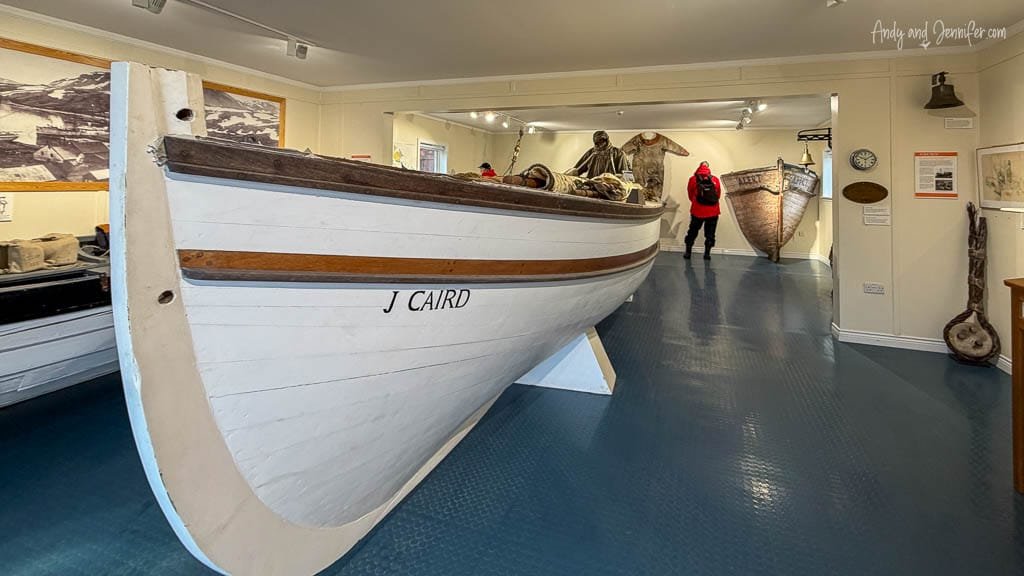
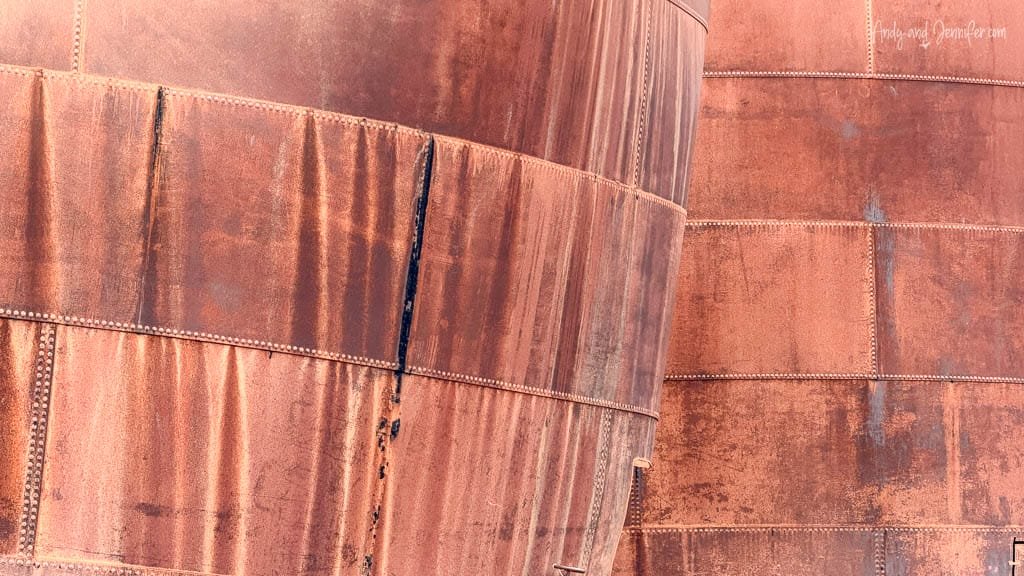
From there we wandered through the old whaling station, picked up a South Georgia patch from the gift shop, saw a replica of the small boat Shackleton used during his remarkable journey to South Georgia, and explored the museum and warehouse at our own pace before returning to the ship from the opposite side of the bay.
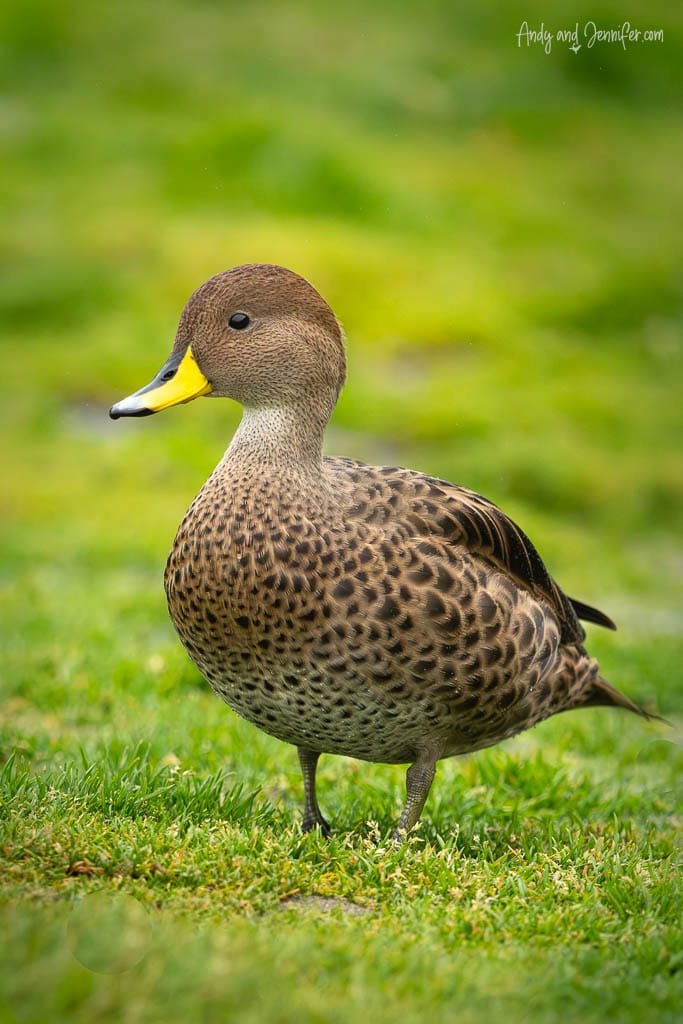
The highlight for Andy was this South Georgia pintail.
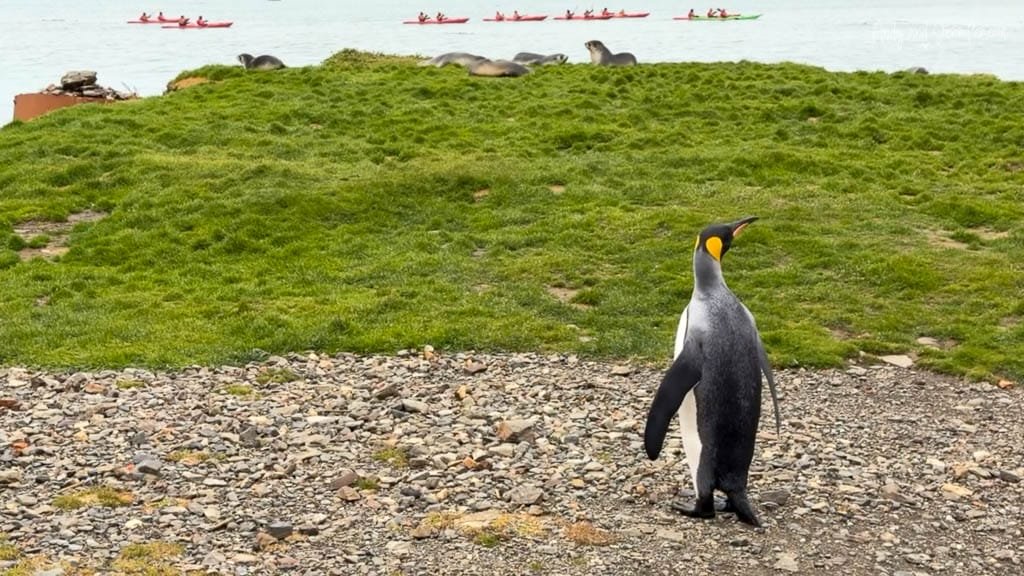
The highlight for me was a king penguin escort back to the landing site.
And that’s a Wrap on South Georgia
At the evening recap, we learned that our time in South Georgia had come to an early end. A developing weather system, combined with icebergs blocking our planned route, meant the captain had decided to skip our final South Georgia morning in order to reach the Tristan da Cunha island group safely. We would still visit the islands, but Gough Island had been dropped from the itinerary, despite originally appearing in the voyage plans.
We were beginning to wonder if this trip was going to be a complete bust.
First there were the flight delays, followed by one of the charter flights being rerouted, which pushed back our departure. Then our departure for the Falklands was delayed due to weather, so we lost a day in the Falkland Islands. Now we’d lost our final day in South Georgia, and Gough Island had quietly disappeared from the itinerary altogether.
But the whole reason we’d booked this voyage was Nightingale Island and its northern rockhopper penguins. As long as that was still on the schedule, we were happy.
The only problem was that there were four sea days between us and finding out.
Four Uneventful Sea Days
Despite this being our sixth expedition, this was our longest stretch of sea days.
Life on board quickly settled into a routine, although it was made slightly confusing by gaining an hour every second night as we sailed north.
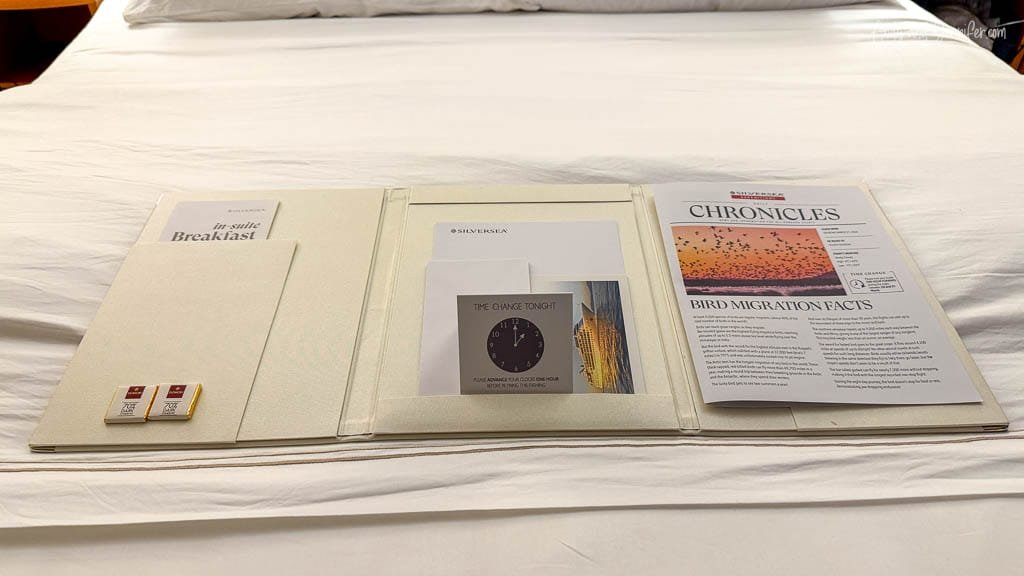
Most mornings started with Andy heading up to Deck 8 to collect coffees. Plenty of passengers had their butlers deliver coffee to their suites, but we were still getting used to the whole butler concept and it felt a little cruisy.
We usually had breakfast around 8:00 am in the main dining room. Most people preferred the buffet, which meant the dining room was almost always quiet. After breakfast we’d head out for a walk around the outer deck to get some steps in, assuming the weather cooperated.
Sometimes we sat on the back of deck 7 and watched seabirds. It baffles my mind that there are birds this far from any land.
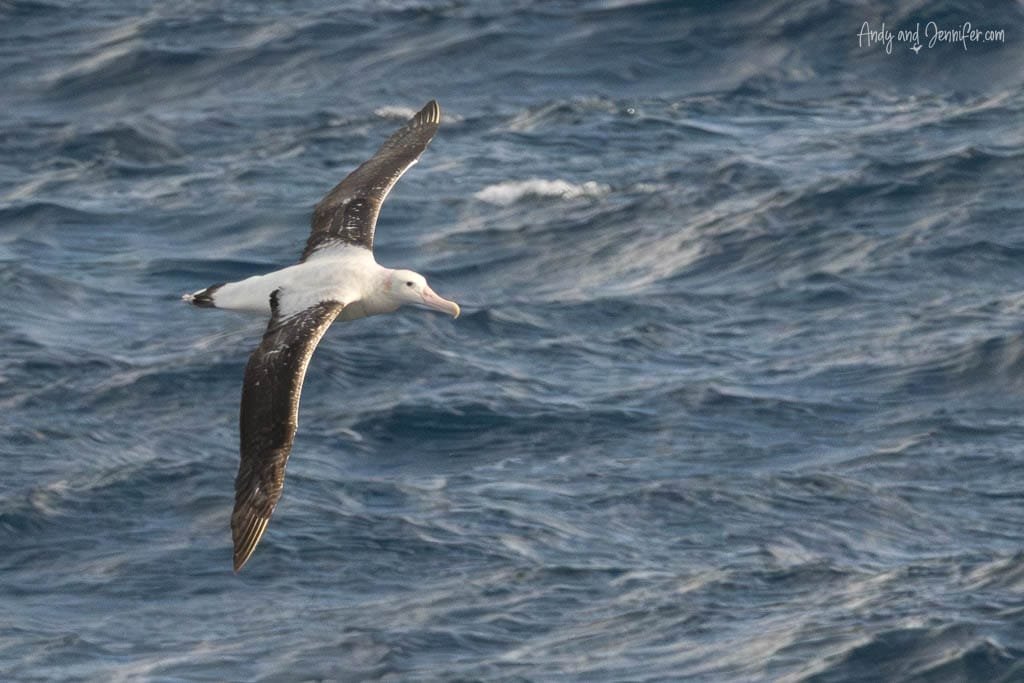
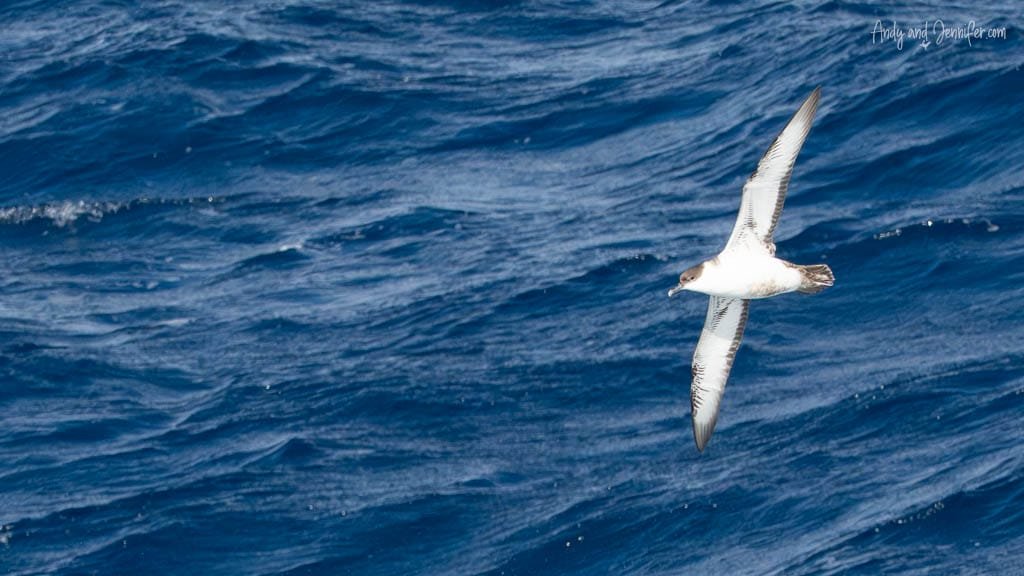
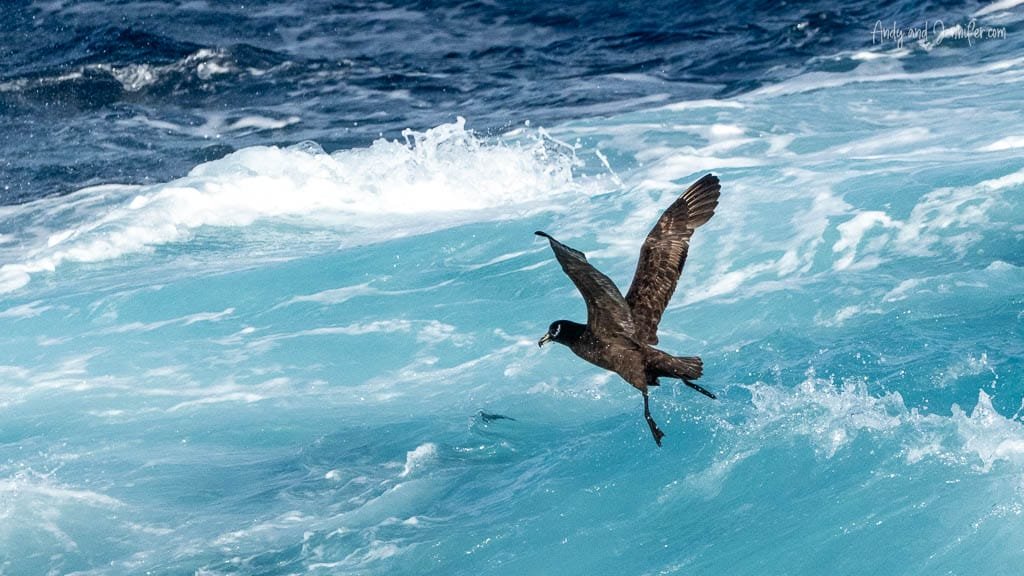
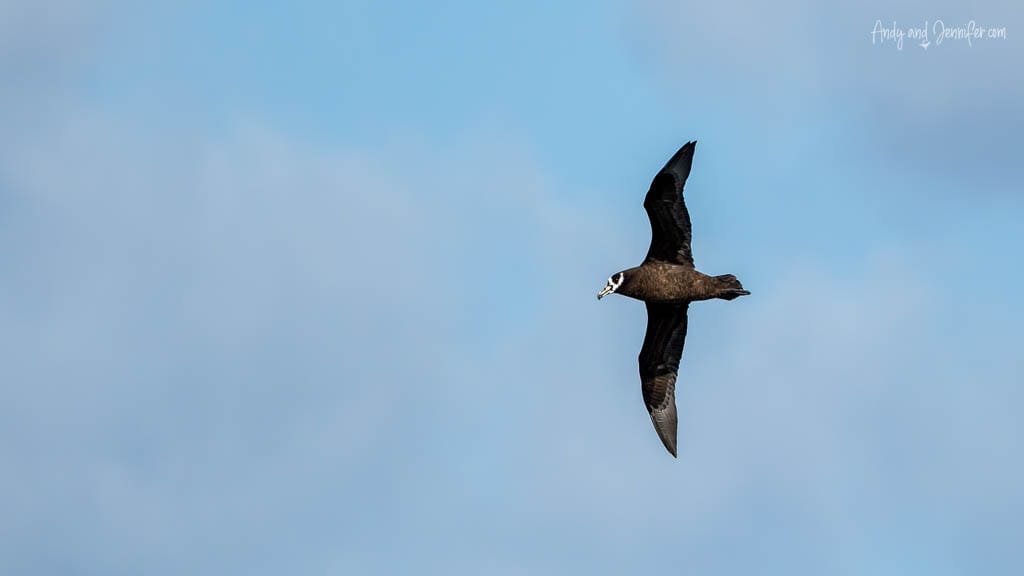
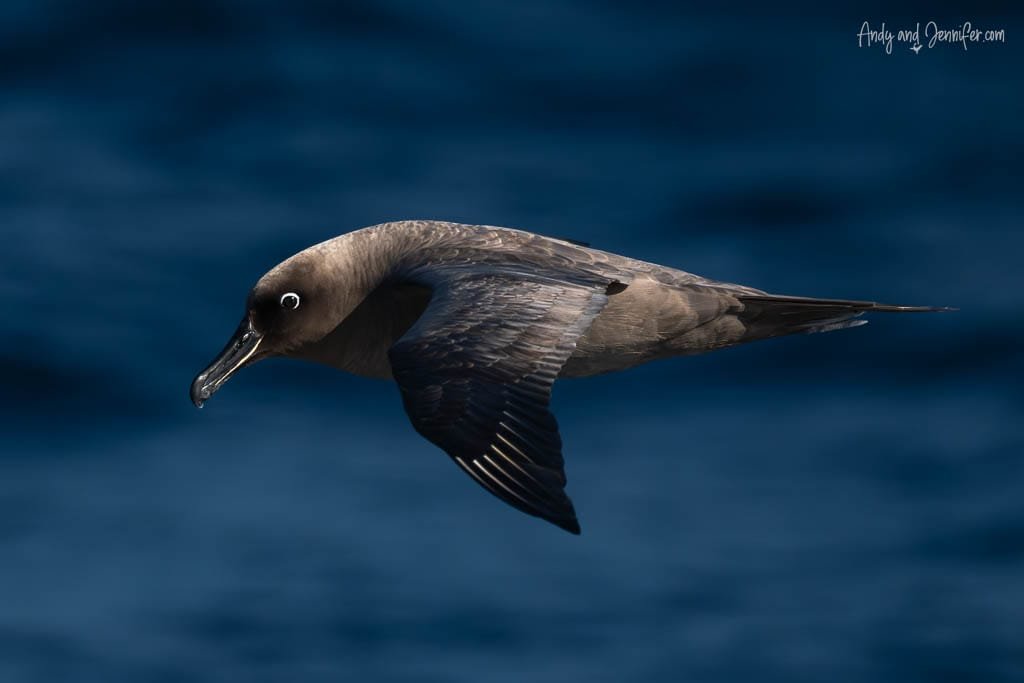
Lunch was usually around 1:00 pm, either back in the dining room or at the outdoor grill when the wind dropped enough to make it pleasant.
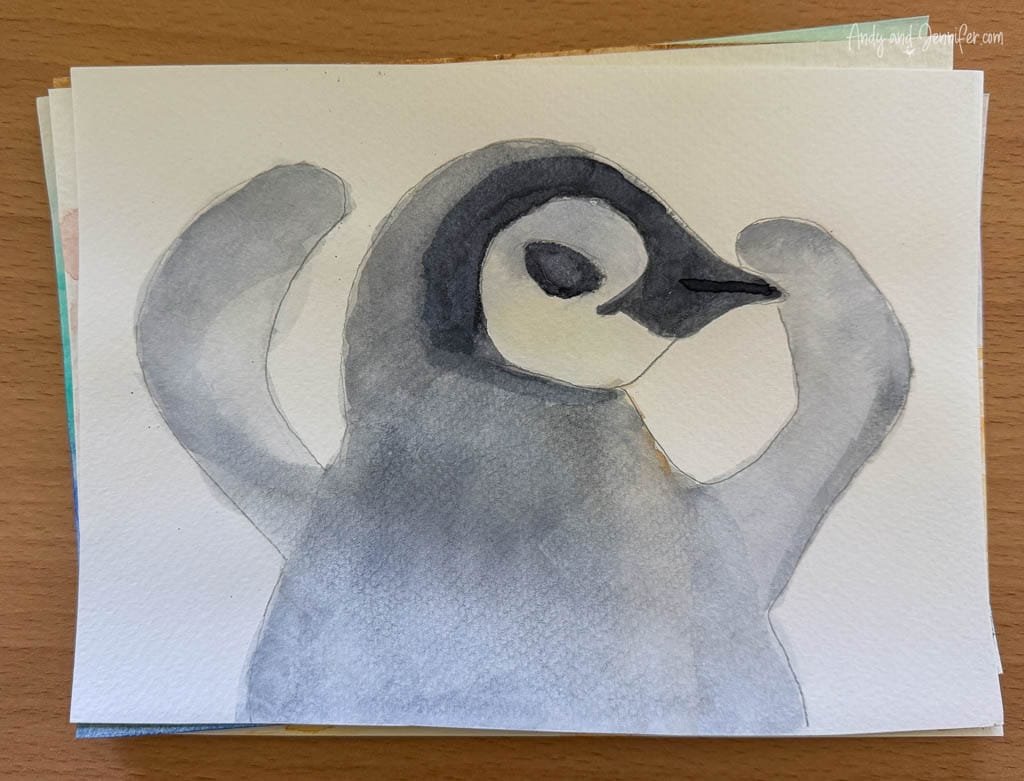
I also joined a few more watercolour workshops, which were a relaxing way to pass an afternoon at sea. I was pretty pleased with my emperor penguin chick. Watercolour is very challenging if you like control. Which I do.
One day the ship’s announcement system called a “Code Alpha.” Naturally, I googled it and discovered it meant a medical emergency. We never heard anything more, so hopefully everything turned out alright.
We typically had dinner in the main dining room or La Terazza around 7. And then rinse and repeat four times.
Next up –> Nightingale Island – The Landing We Couldn’t Count on
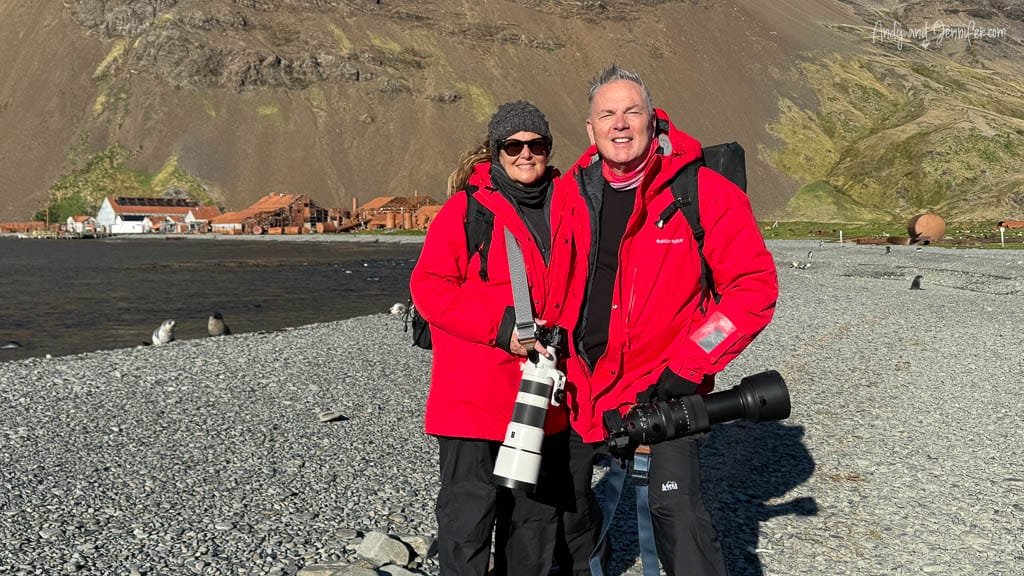
We’re Andy and Jennifer—two former corporate executives who chose long ago to prioritise experiences over stuff while pursuing our passions for travel and photography. From the Arctic to Antarctica, and most places in between, we’ve captured the world through our lenses and love sharing those stories. Our careers gave us the means, but our purpose is inspiring others to explore and helping people create images they’re proud of.
Related Posts
 Emperor Penguins at Snow Hill: The Day It Finally Happened
 A Bucket List Trip to See the Brown Bears at Brooks Lodge
 Torres del Paine, Chile
 South Island Wildlife Road Trip: Kea, White Herons & West Coast Drive
 The Scotia Sea Surprise
 Drake Passage Sea Days: What to Expect on an Antarctica Expedition