South Island Wildlife Road Trip: Kea, White Herons & West Coast Drive
If you aren’t familiar with South Island geography, Akaroa sits on the east coast. Our next destination, Lake Moeraki, is on the west coast. And in between? A rather inconvenient mountain range.
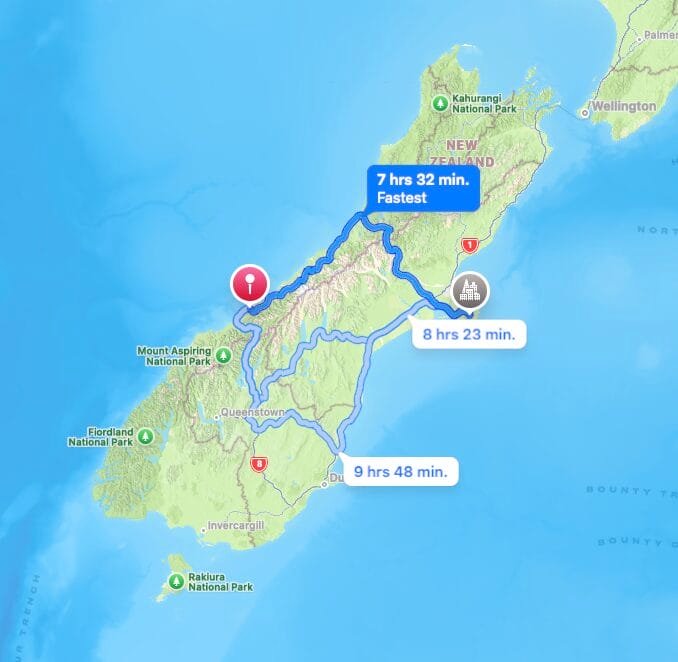
This stretch became one of the most memorable parts of our South Island wildlife road trip experience. Google Maps optimistically suggested an eight-hour drive. But we suddenly had something new in our lives: time. So instead of pushing through in one long haul, we broke it into a series of two to three hour drives. Which turned out to be the right call.
The First Wildlife Stop: Caton’s Bay
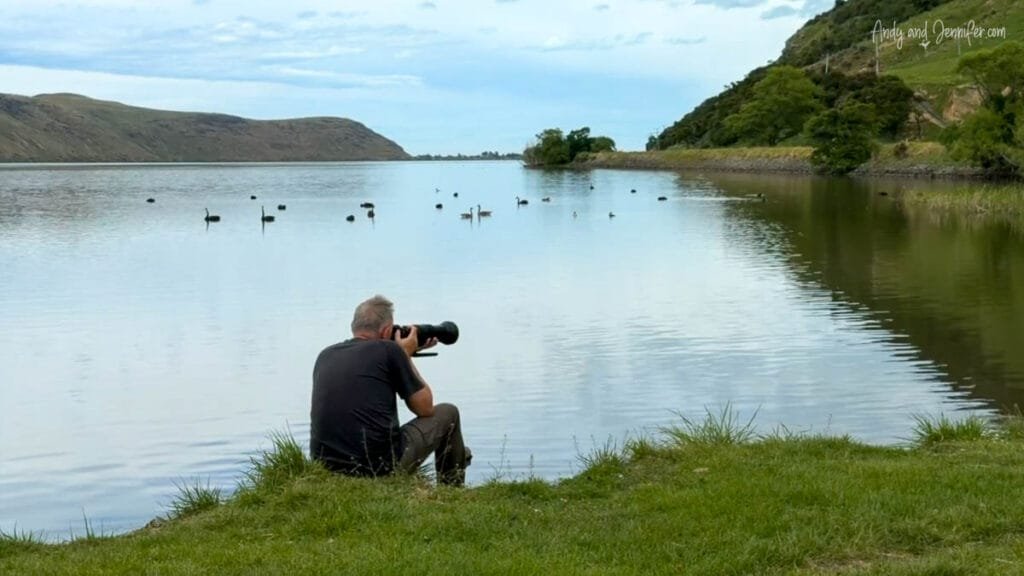
We hadn’t even been in the car ten minutes when we passed Caton’s Bay. There was obvious bird activity, so we pulled over to photograph grebes, swans, ducks, and coots.
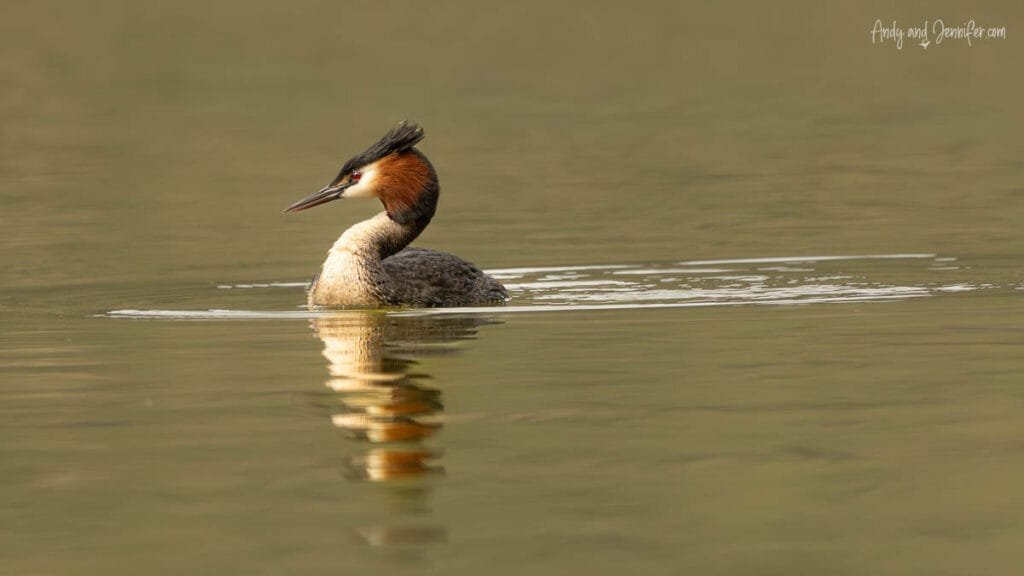
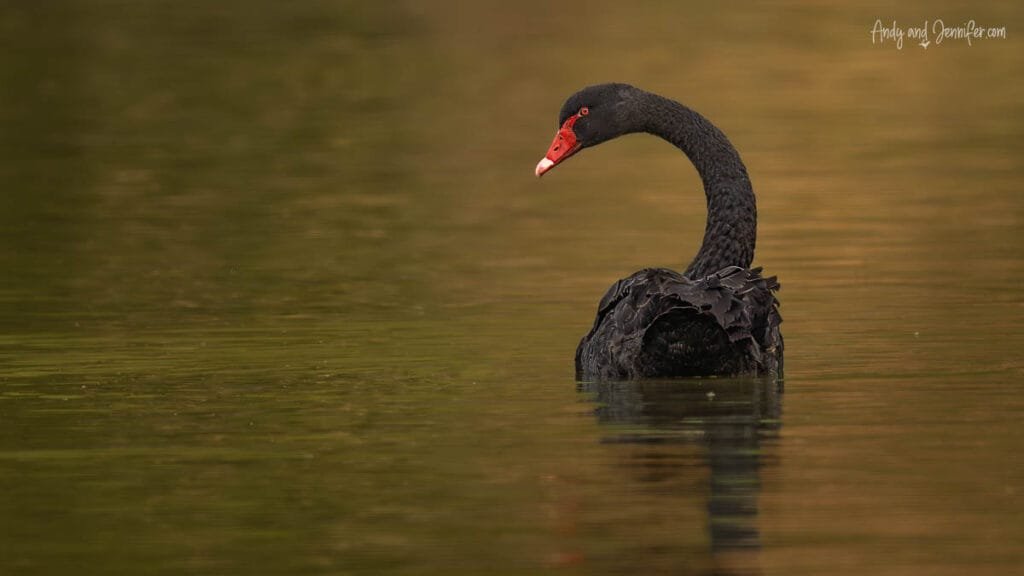
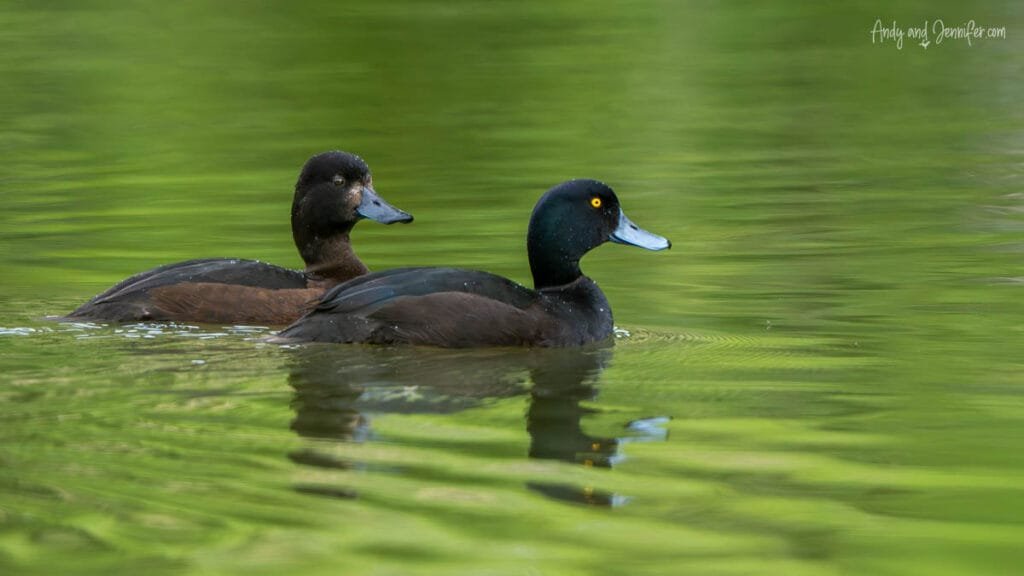
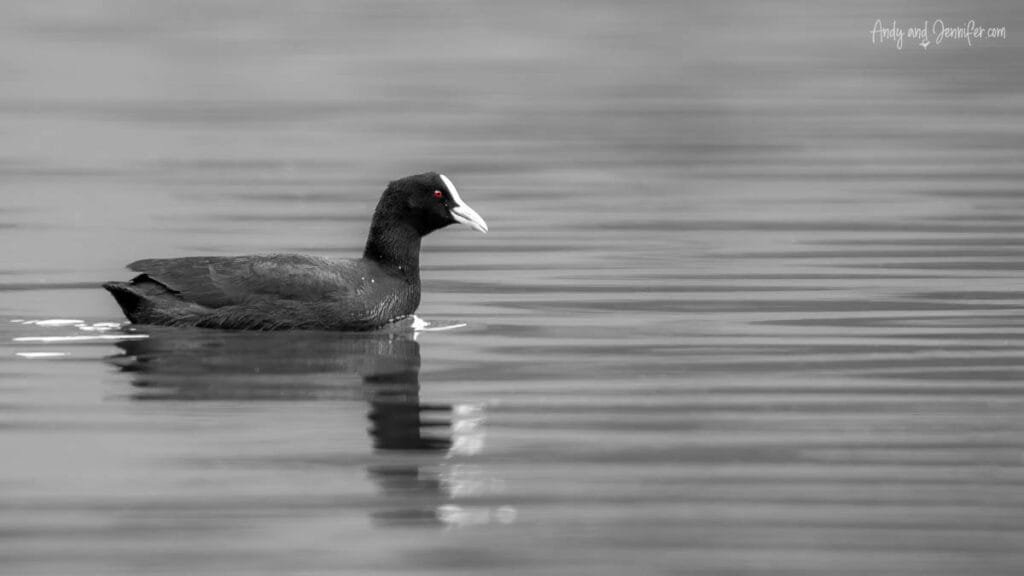
The kind of spontaneous roadside stop that defines a South Island wildlife road trip. Slow travel wins every time.
Castle Hill Rocks: Apparently Narnia
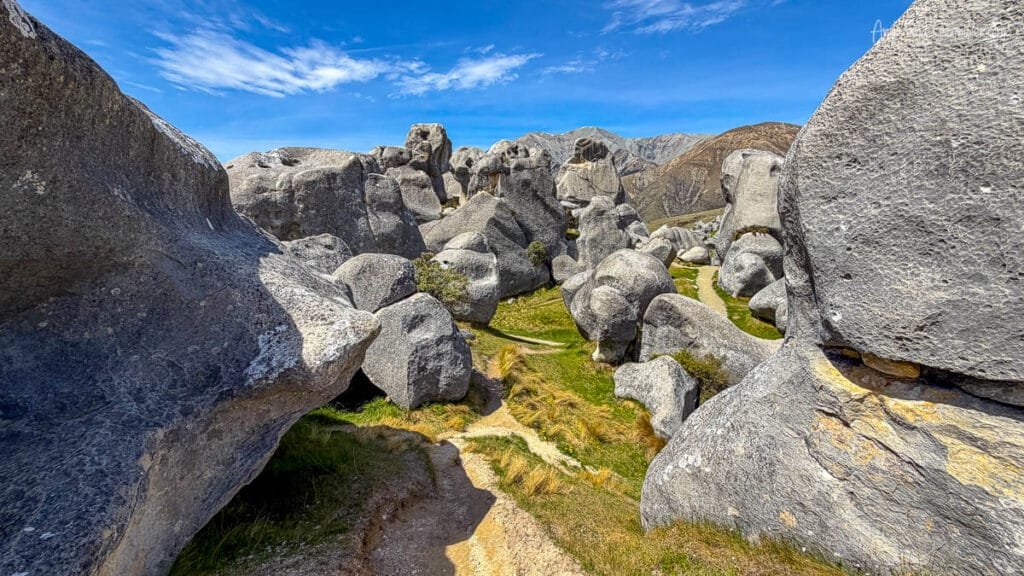
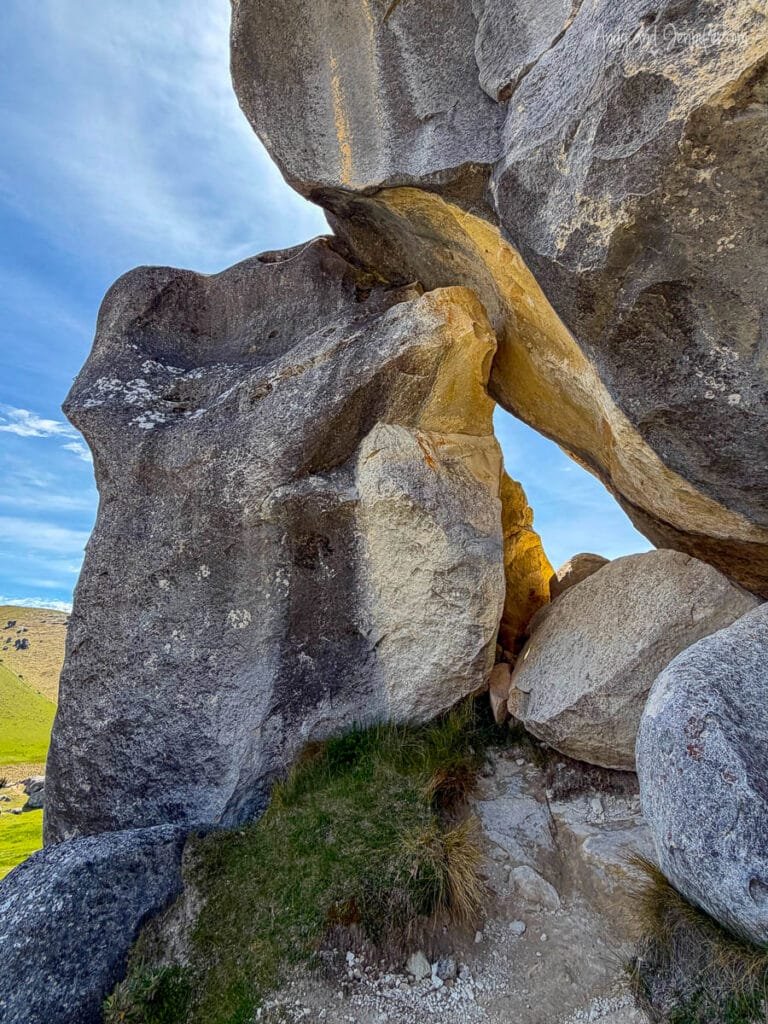
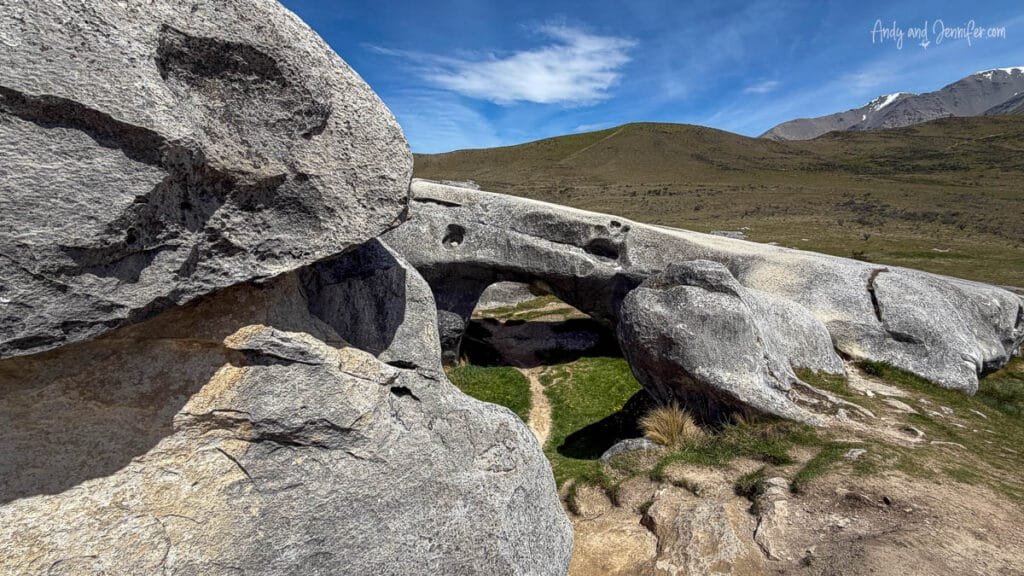
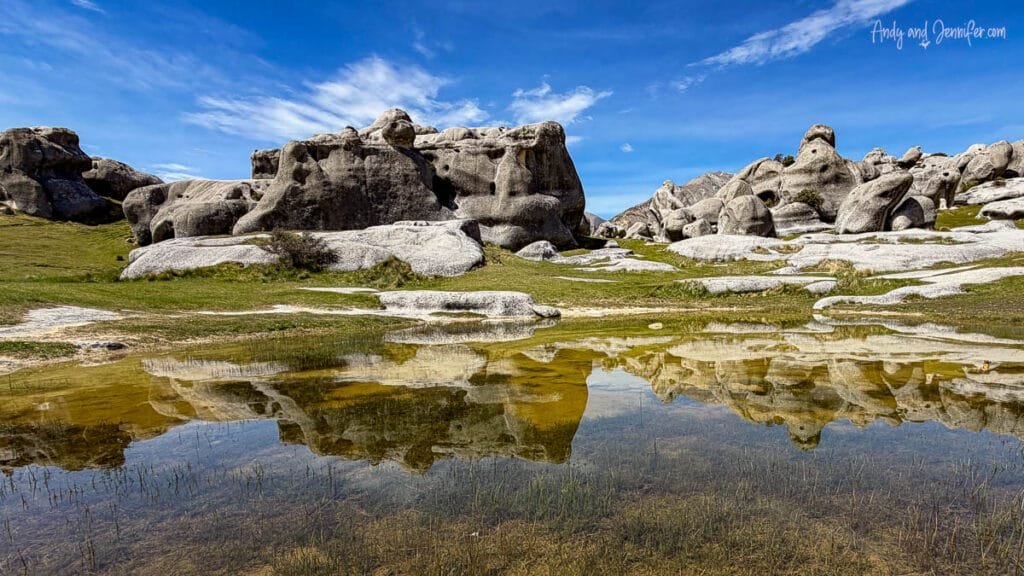
Two hours later, after a coffee stop in Darfield, we stretched our legs at Castle Hill Rocks. It was oddly crowded. Apparently it’s a Narnia filming location. I haven’t seen it. But the rock formations are dramatic enough without literary context.
Night One: Arthur’s Pass and Kea Encounters
We made our way into the Southern Alps and spent the night at The Bealey in Arthur’s Pass. Our room had huge windows and outstanding mountain views.
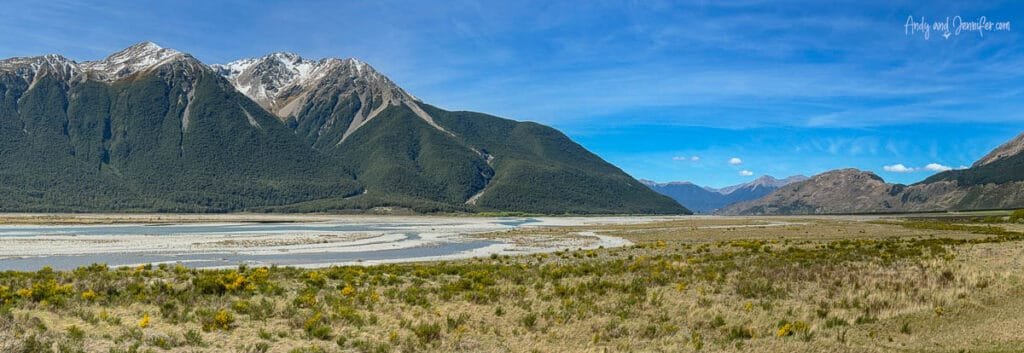
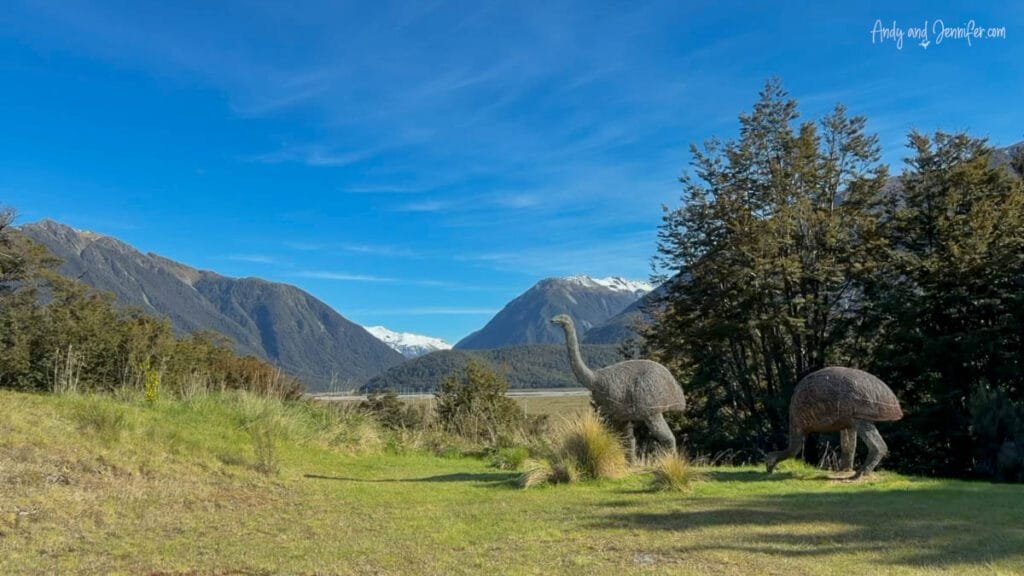
The Bealey Hotel sits along the historic route through Arthur’s Pass, originally established as a coaching stop in the late 19th century for travellers crossing the Southern Alps. Its name comes from the nearby Bealey River, and the moa seen in the hotel’s branding (and in the landscaping) is a nod to New Zealand’s extinct giant flightless birds, which once roamed these landscapes long before human settlement.
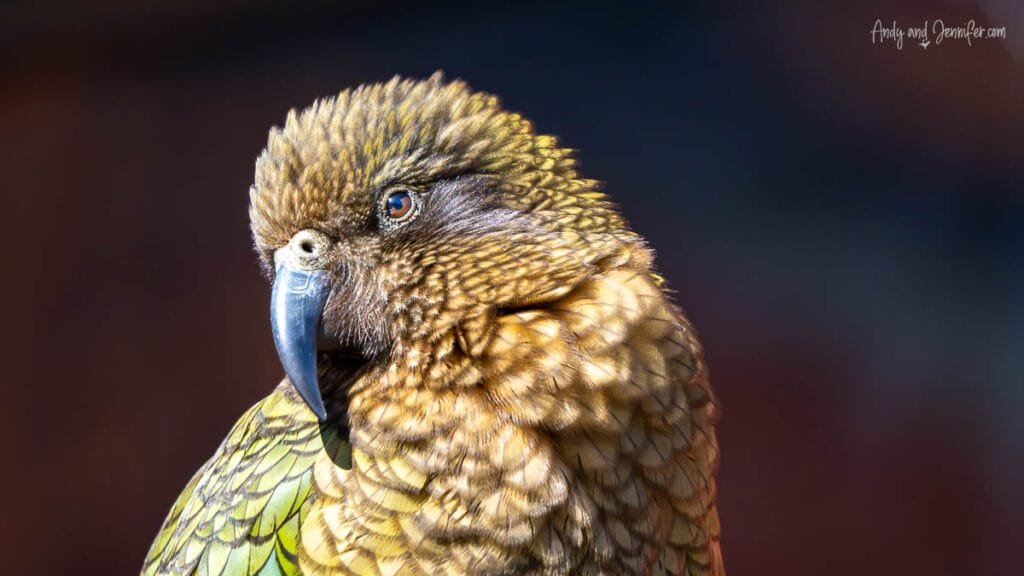
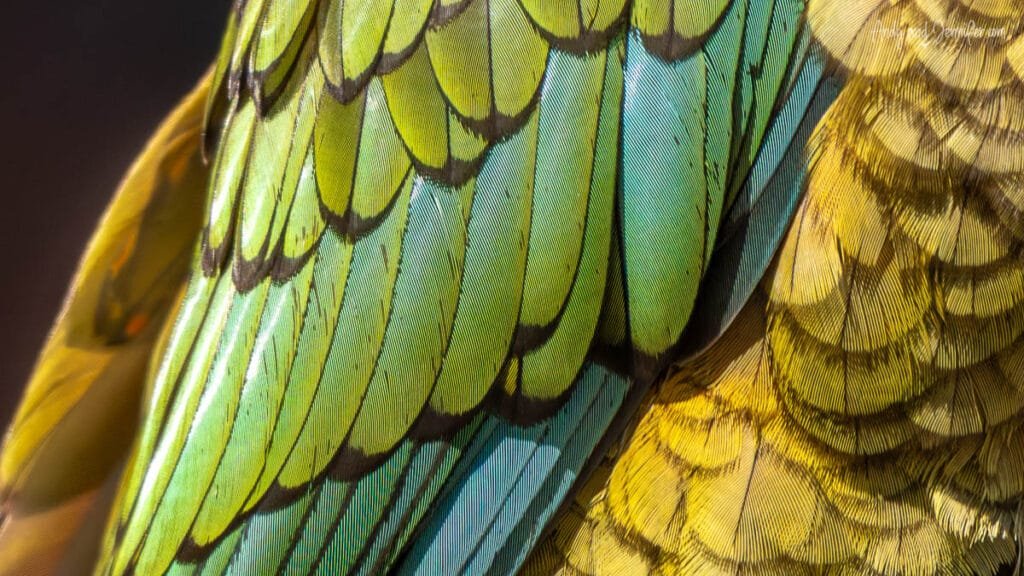
After breakfast the next morning, we stopped in Arthur’s Pass village to photograph kea. The kea is a large alpine parrot endemic to the South Island. We thought we may need to spend some time searching for them, but there were several just hanging out at the cafe (duh). They are highly intelligent and slightly mischievous, but unlike last year, they did not attack our rental car this time. Kea sightings like this are one of the highlights of any South Island wildlife road trip.
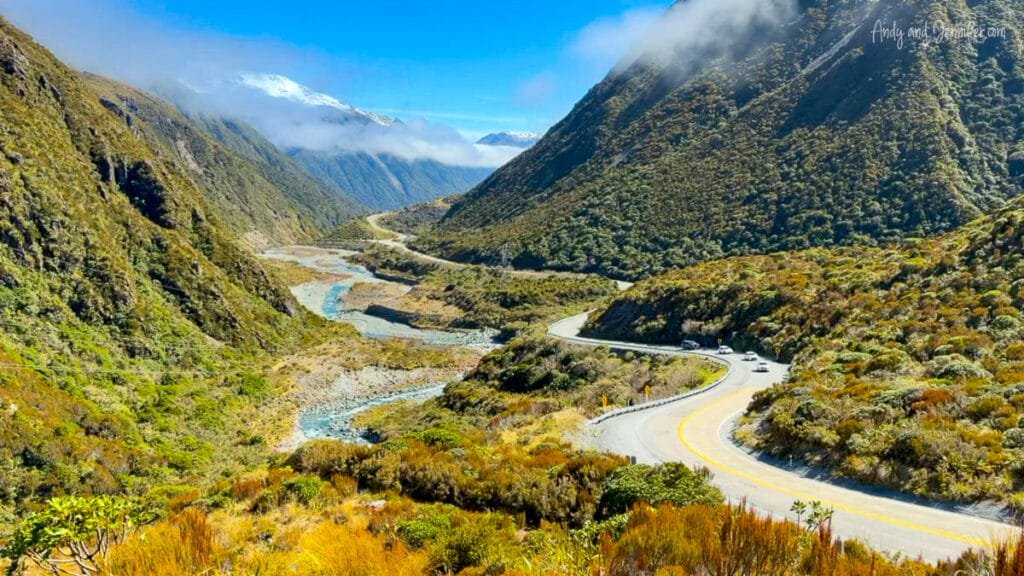
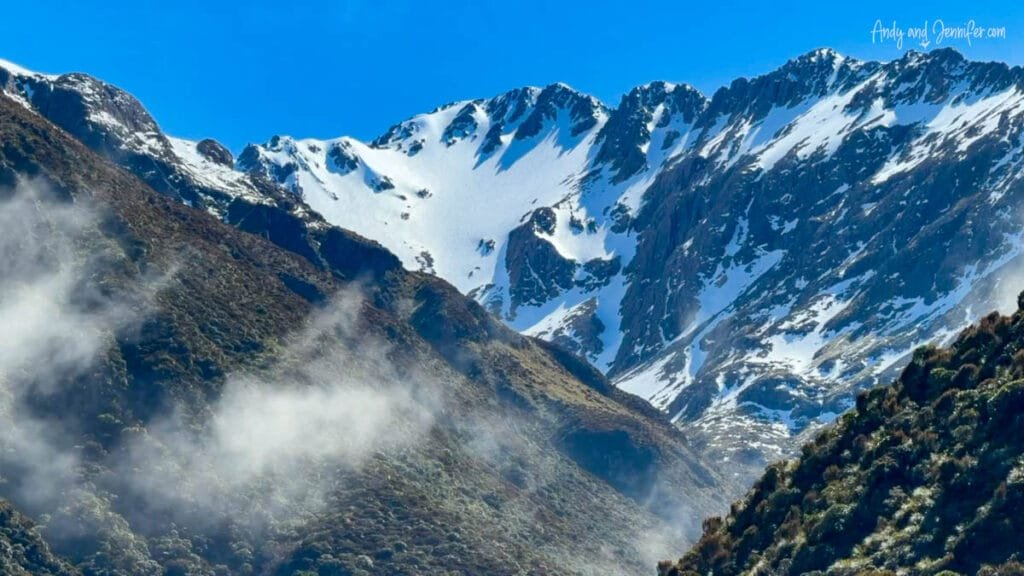
The drive down to the west coast was stunning and mostly uneventful. Except for the one-lane bridges. Lots of one-lane bridges.
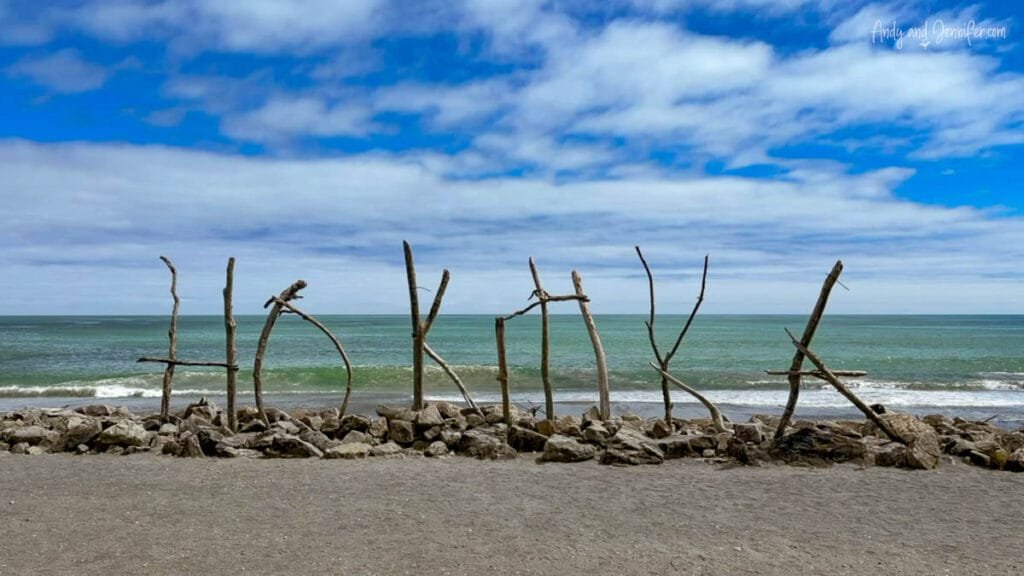
We stopped in Hokatika to stretch our legs. This town boomed during the 1860s gold rush and was once one of the busiest towns in New Zealand, which is hard to believe when you pass through today. The beach is famous for driftwood sculptures and the iconic Hokitika sign, all shaped by the wild Tasman Sea.
Why Stay in Whataroa?
Our next overnight stop was in Whataroa, which is basically a blip on the map. We stayed at Glacier Country Motel, which used to be the local hospital. There’s one restaurant in town, The Lonely Stag, and they close at 7pm.
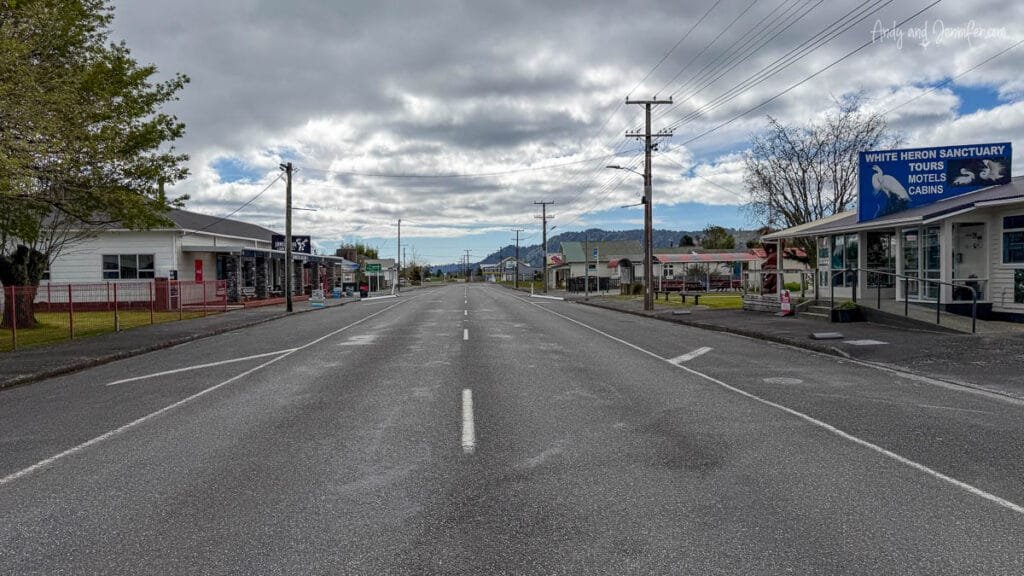
Why stay in such a tiny place if you are focussed on South Island wildlife? One reason. The White Heron nesting site at Waitangiroto Nature Reserve.
Visiting the White Heron Sanctuary
It was pouring rain the next morning. After coffee at The Lonely Stag, we set off on a 30-minute drive with White Heron Sanctuary Tours. From the trailhead, it’s an 800-metre walk through forest to a hide overlooking the nesting colony. Along the way, there’s predator monitoring equipment everywhere. New Zealand takes predator control very seriously.
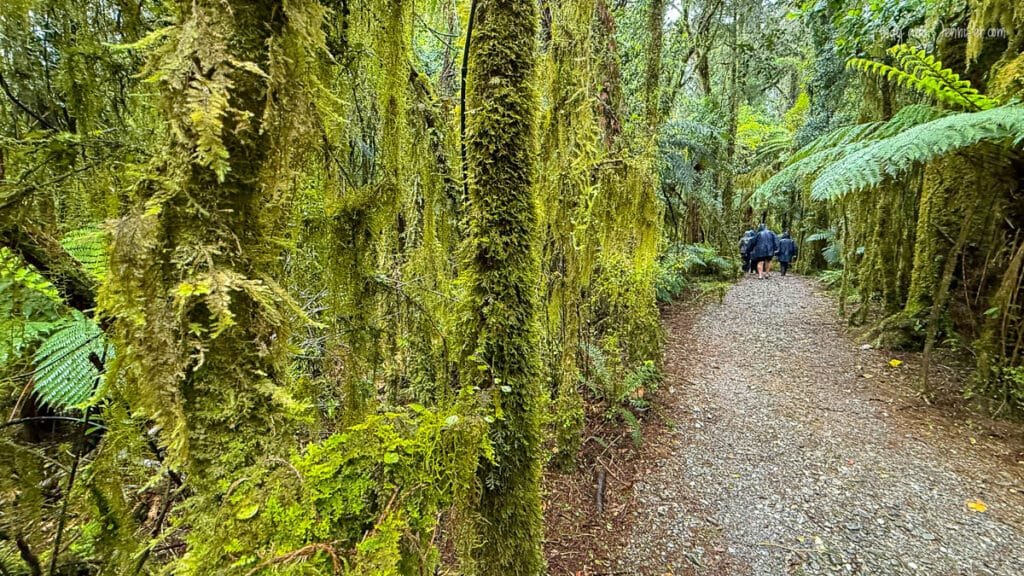
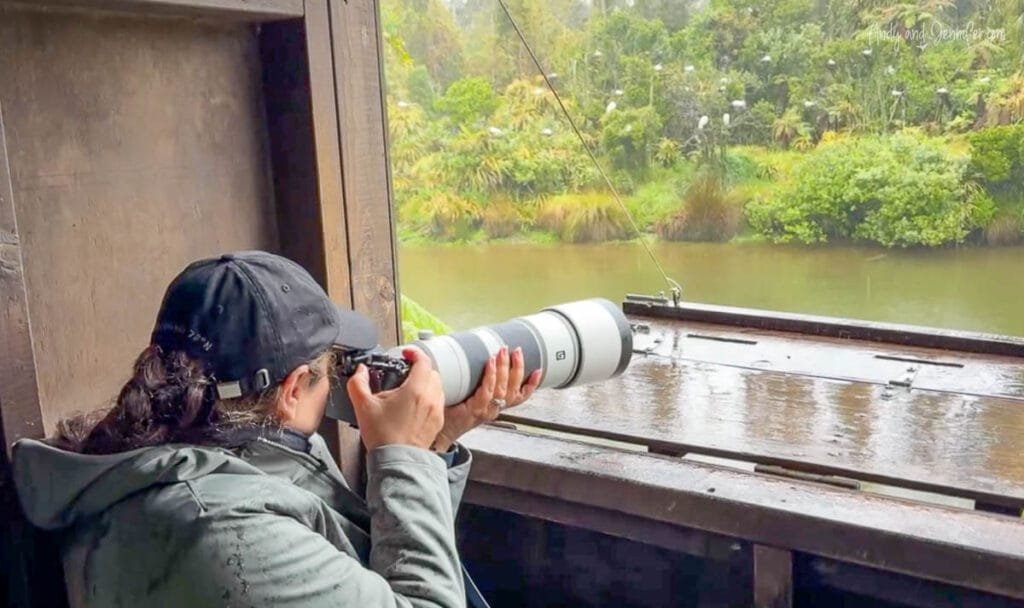
The rain continued as we reached the hide, but thankfully it has excellent shelter. Two levels. Plenty of space. And there were only six of us total.
The white herons, also known as kōtuku, have blue beaks during mating season. They seemed to prefer to be deep in the trees. Maybe they didn’t like being out in the rain any more than we did?
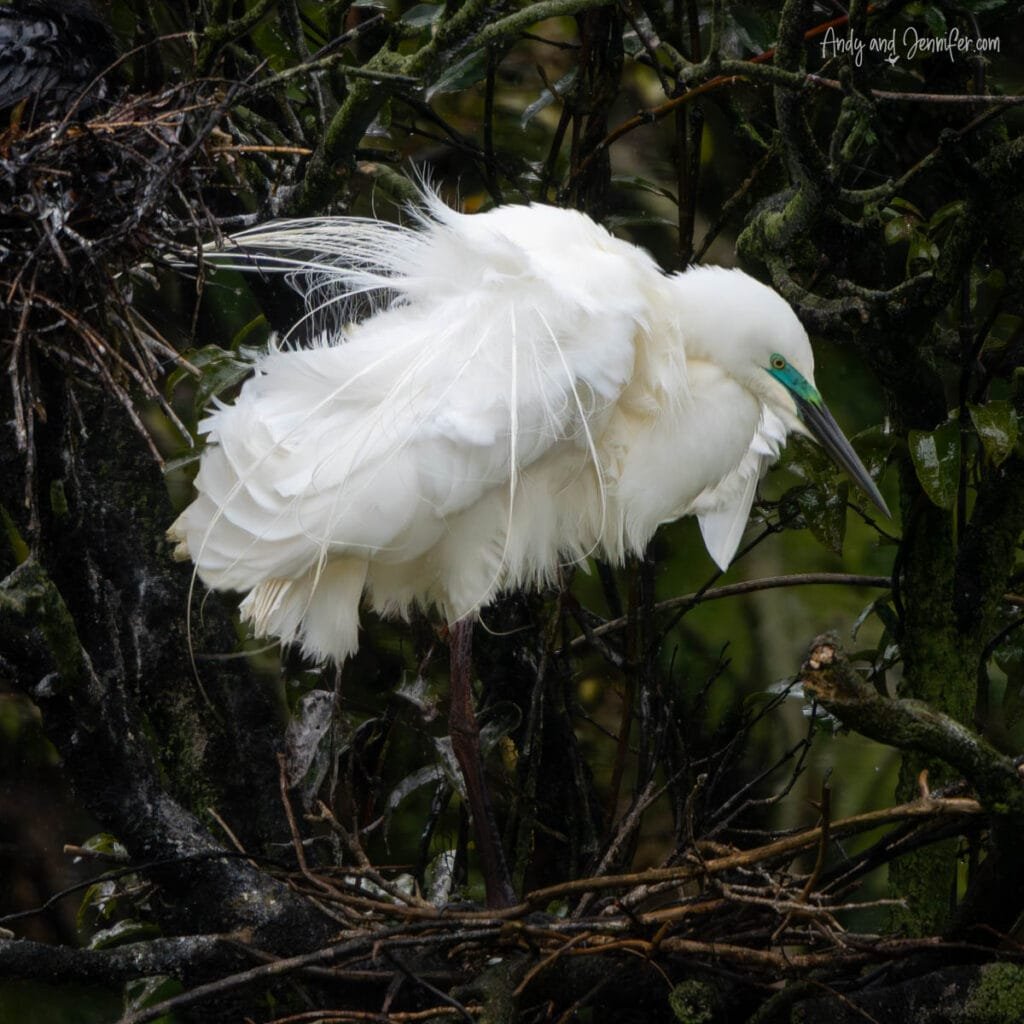
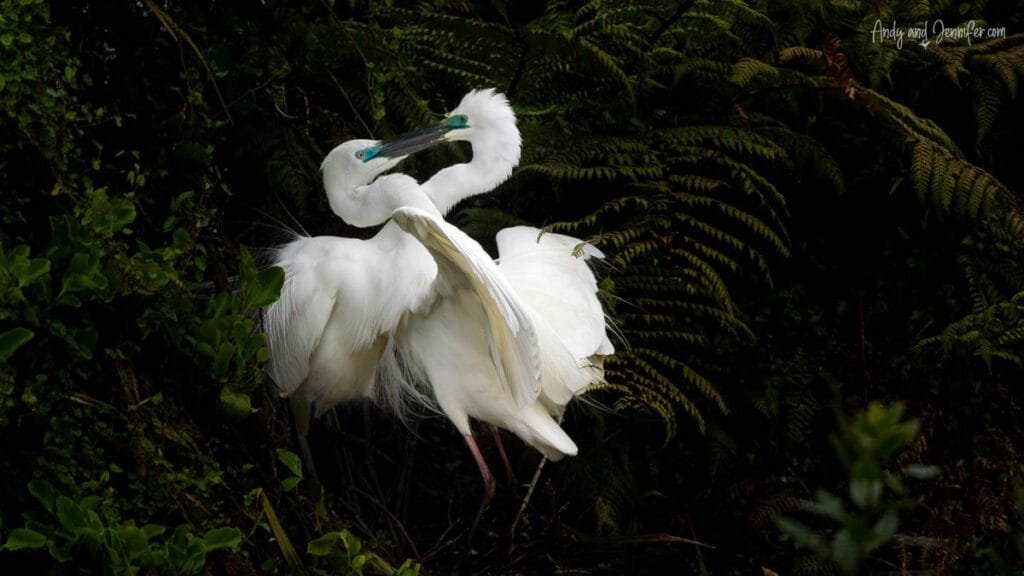
Admittedly, the conditions were not great for photography, which gave use more time to observe their behaviour. We watched them preen and gather sticks, some longer than their height, for their nest. We also got to see a whole lot of mating. Graceful is not the word I would use. But it was fascinating to watch.
This was definitely a unique and rare wildlife experience on our South Island wildlife road trip itinerary.
Franz Josef, Fox Glacier and an Anniversary
After the hide, we drove 30 minutes to Franz Josef. And apparently everyone else on the South Island had the same coffee idea. We’d been there years ago, and not much had changed. Another 30 minutes brought us to Fox Glacier, which was smaller, less crowded, and had a better vibe.
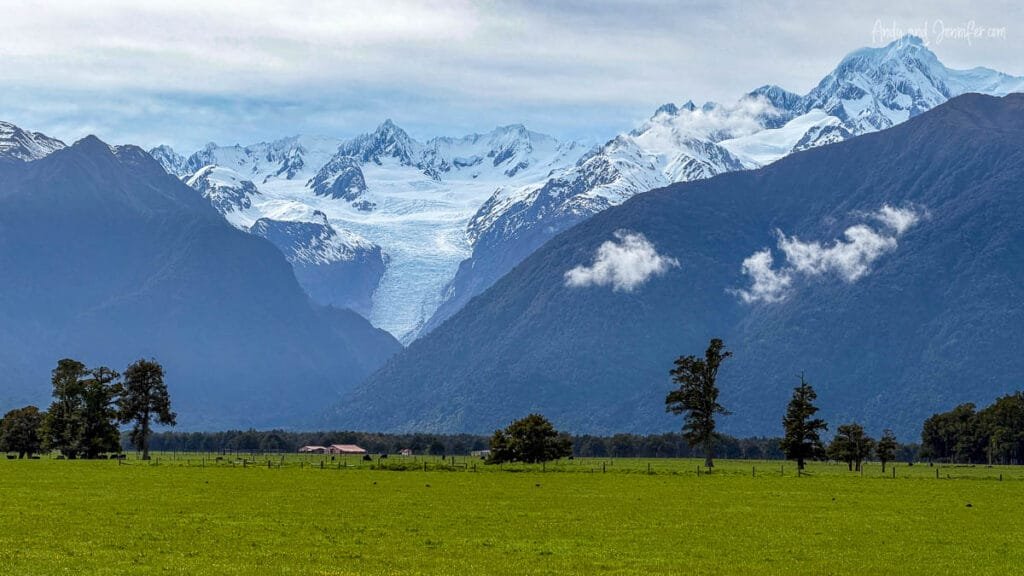
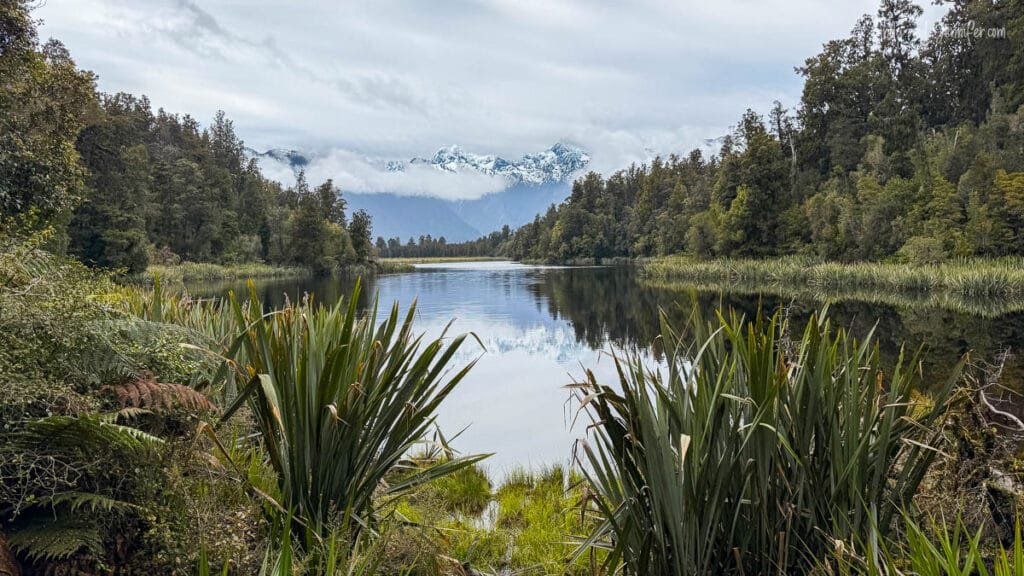
We has some time to kill before checking in to our accommodation, so we took a quick walk around Lake Matheson. It was raining lightly, just enough to keep everyone else away, so we had the track almost entirely to ourselves. There’s a smell in the air after rain here, something earthy and green and clean that’s hard to describe but instantly memorable. Even in the rain, New Zealand is absolutely stunning.
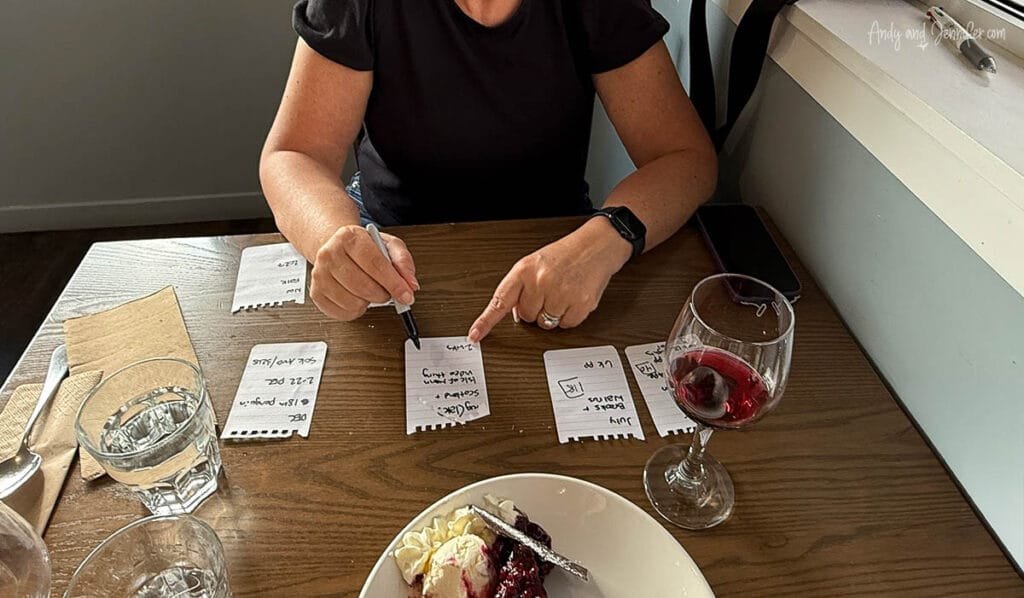
We stayed at Rainforest Motel, next door to Betsey Jane, where we had an excellent anniversary dinner. We splurged on an Otago pinot and somehow ended up in an impromptu brainstorm for our 2026 travel plans. And yes, I do always have a Sharpie, multicoloured pens, and paper on me at all times. You can take the girl out of consulting, but not consulting out of the girl.
Lake Matheson and a Camera Crisis
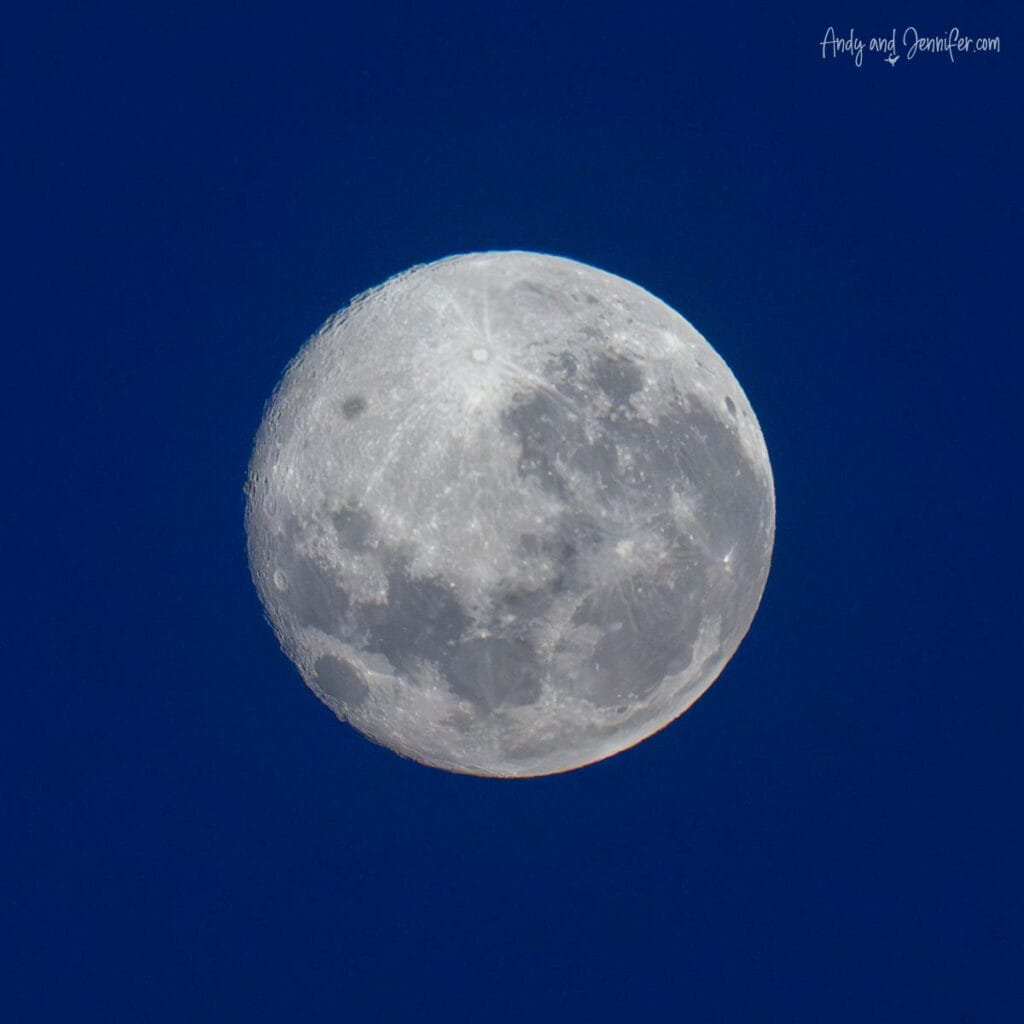
Andy was up before sunrise and caught the full moon before it set behind the nearby mountains.
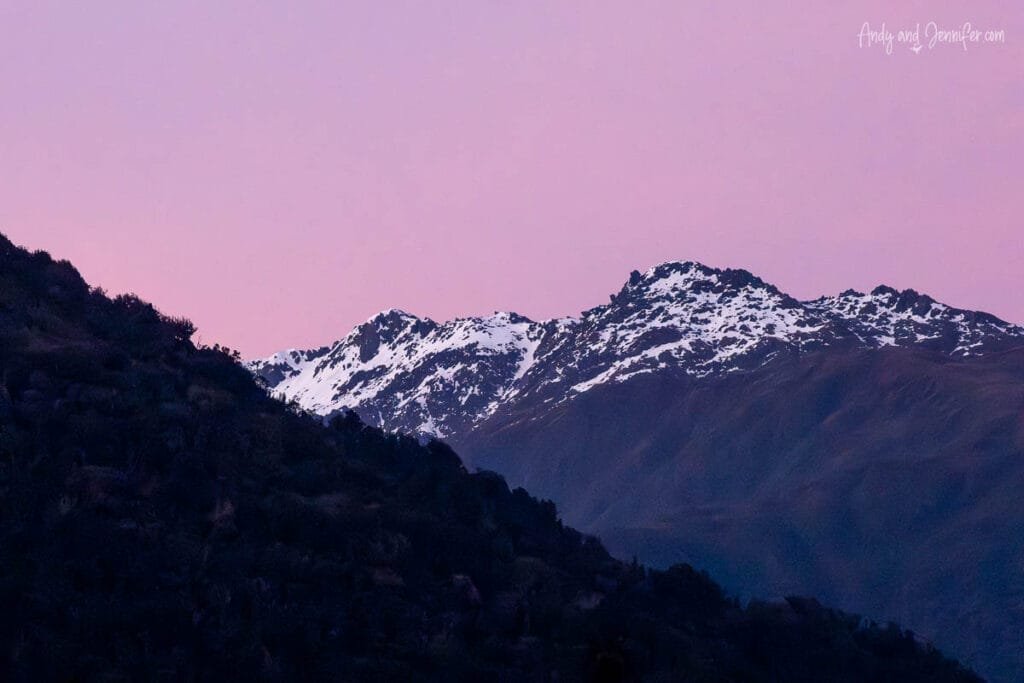
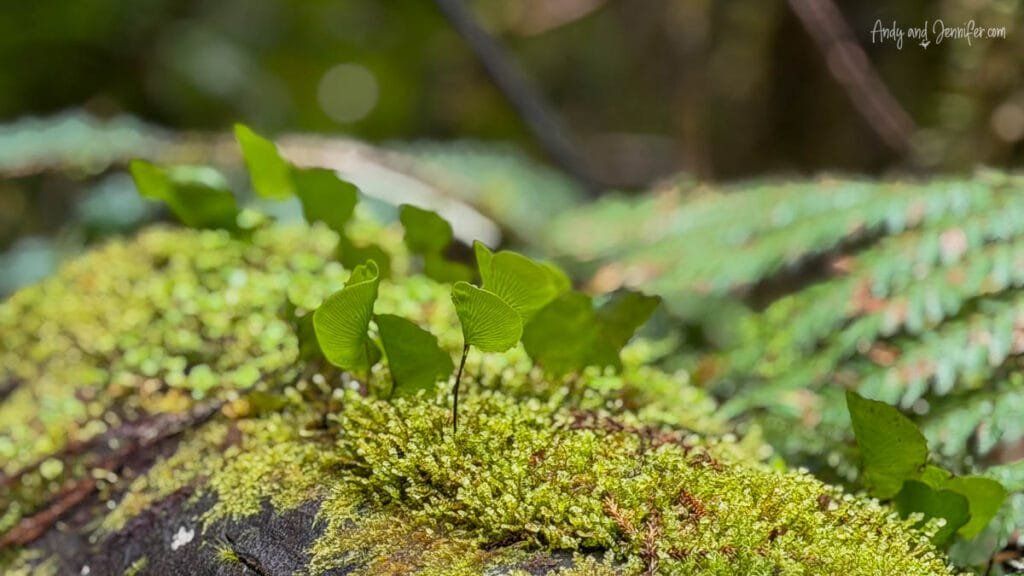
The weather had cleared, so we drove back to Lake Metheson. Classic glacier reflections, beautiful birdlife, and some great macro subjects. This was just another reminder that even the quieter stops on a South Island wildlife road trip route can deliver.
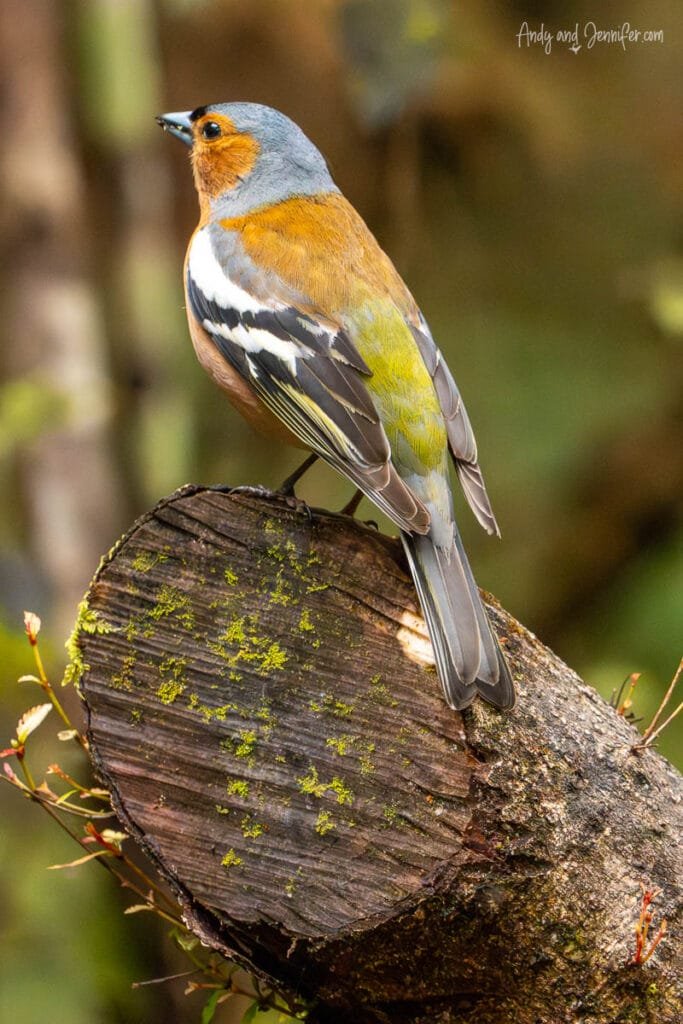
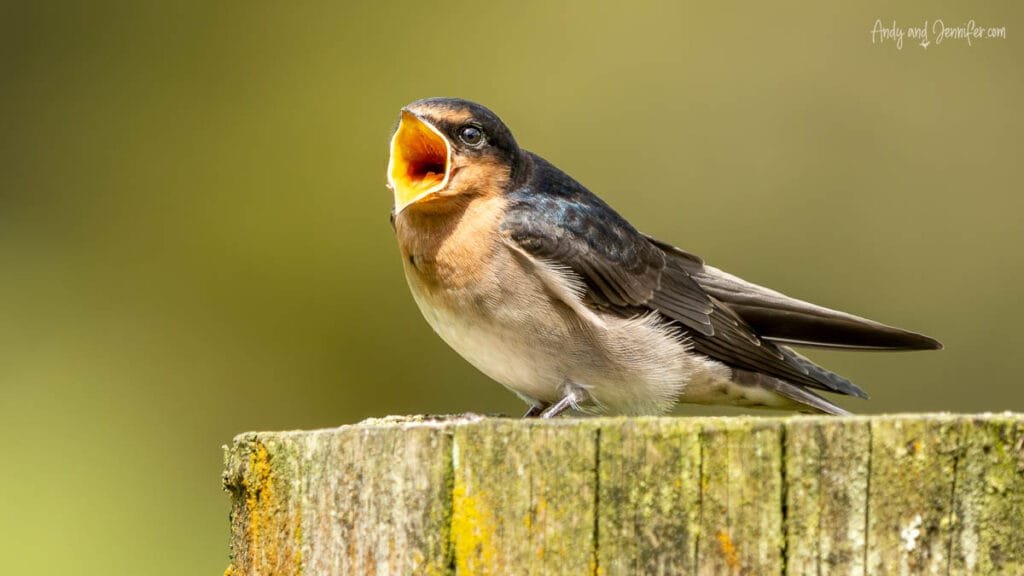
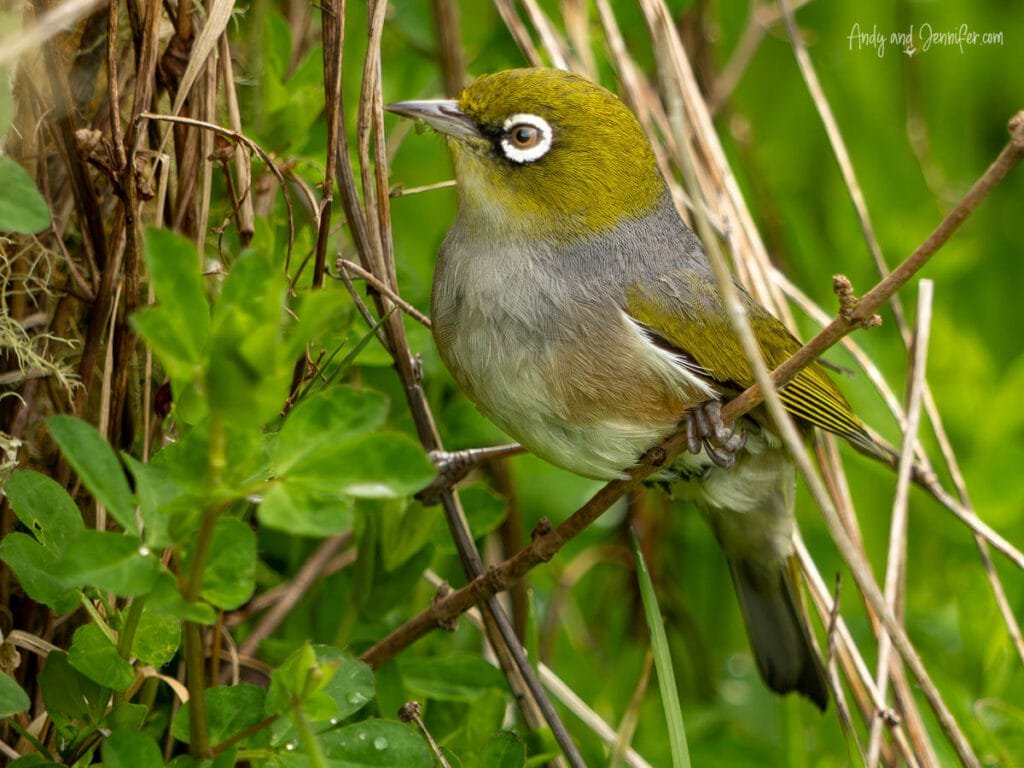
And the most memorable moment? Getting stuck in the middle of a herd of cattle being relocated. Country road traffic at its finest.
Next up –> Seeing the Fiordland Penguin at Lake Moeraki
We’re Andy and Jennifer—two former corporate executives who chose long ago to prioritise experiences over stuff while pursuing our passions for travel and photography. From the Arctic to Antarctica, and most places in between, we’ve captured the world through our lenses and love sharing those stories. Our careers gave us the means, but our purpose is inspiring others to explore and helping people create images they’re proud of.