
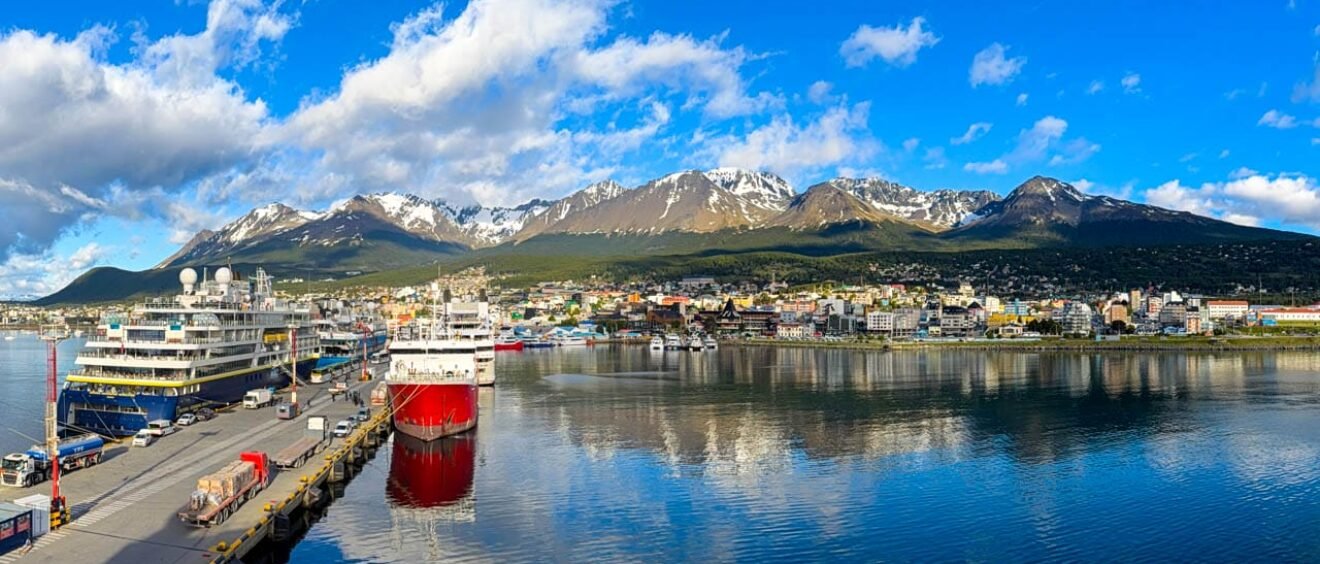
Crossing the Drake Passage Back to Ushuaia on the Ultramarine
From our position in Charlotte Bay, the journey back to Ushuaia would take a little more than two days. The first day delivered the version of the Drake Passage people love talking about: the Drake Lake. Calm seas, gentle movement, and enough stability to spend time wandering the ship without bracing yourself against walls. The second day reminded everyone why this stretch of ocean has such a legendary reputation. The Drake Shake delivered enough swell and movement to send people gripping handrails.
Just like the southbound crossing, the days were filled with lectures from the expedition team. Topics ranged from Antarctic history to science and wildlife. Some sessions were upbeat, like “Of Penguins… and Men.” Others were downright depressing, like “Centuries of Exploitation: The History of Sealing and Whaling.”
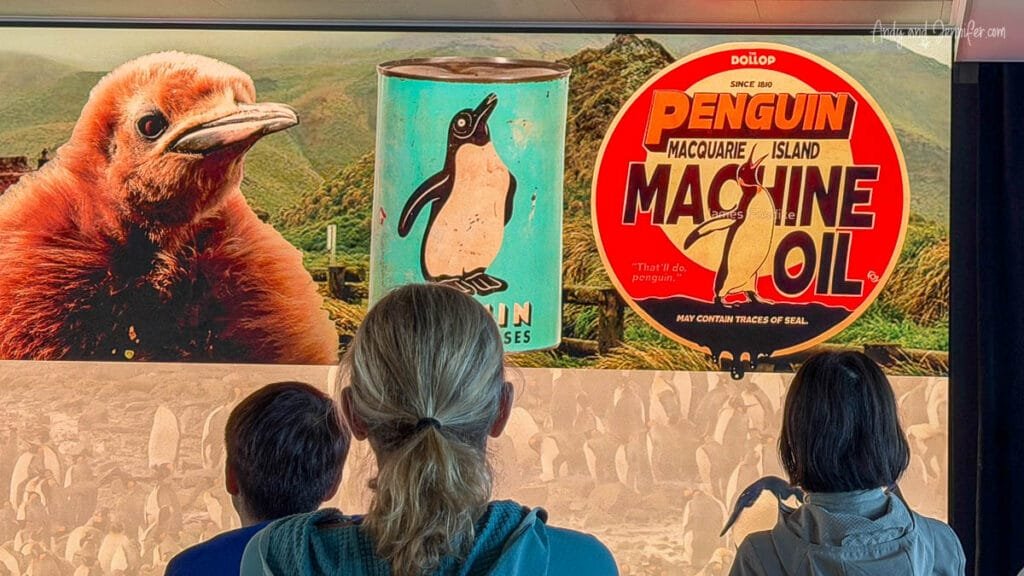
Other sessions covered glaciology, whale communication, and the harsh realities of adaptation. One of the most fascinating talks explored the Bedmap project, which maps the hidden landscape buried beneath kilometers of Antarctic ice.
As the expedition wound down, practical tasks slowly replaced the rhythm of daily excursions. We returned our flight suits along with the gear we had borrowed for kayaking and paddleboarding. Then came the inevitable disembarkation briefing, where everyone received colored ribbons tied to specific buses waiting in Ushuaia.
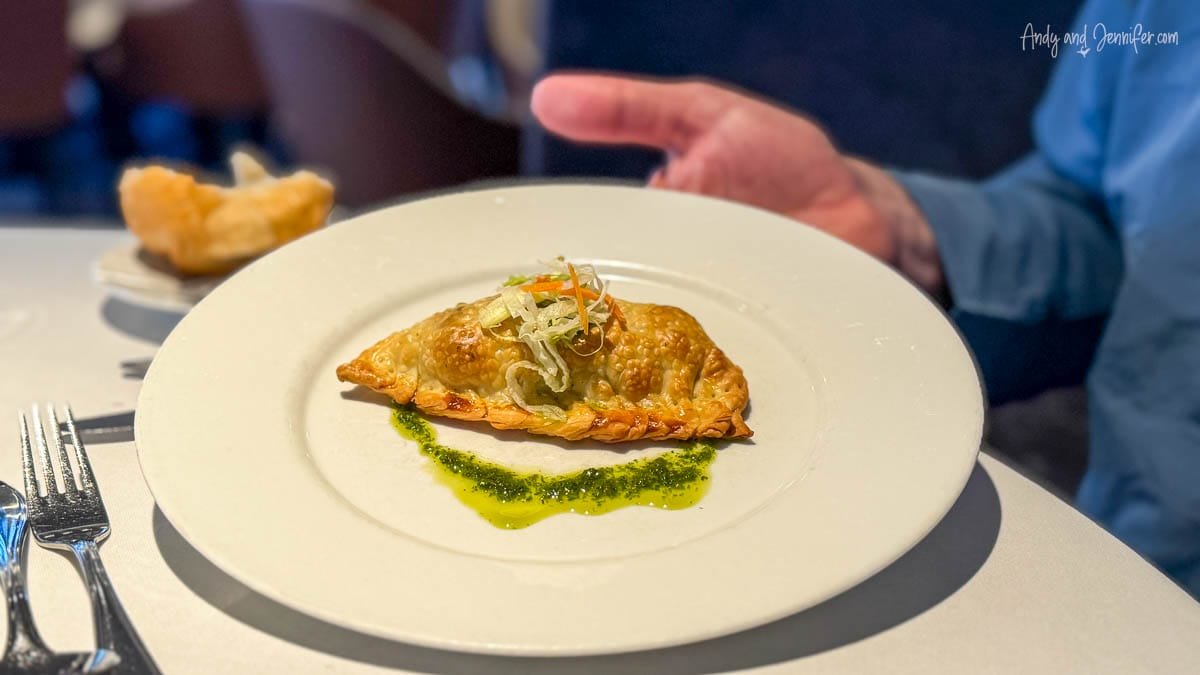
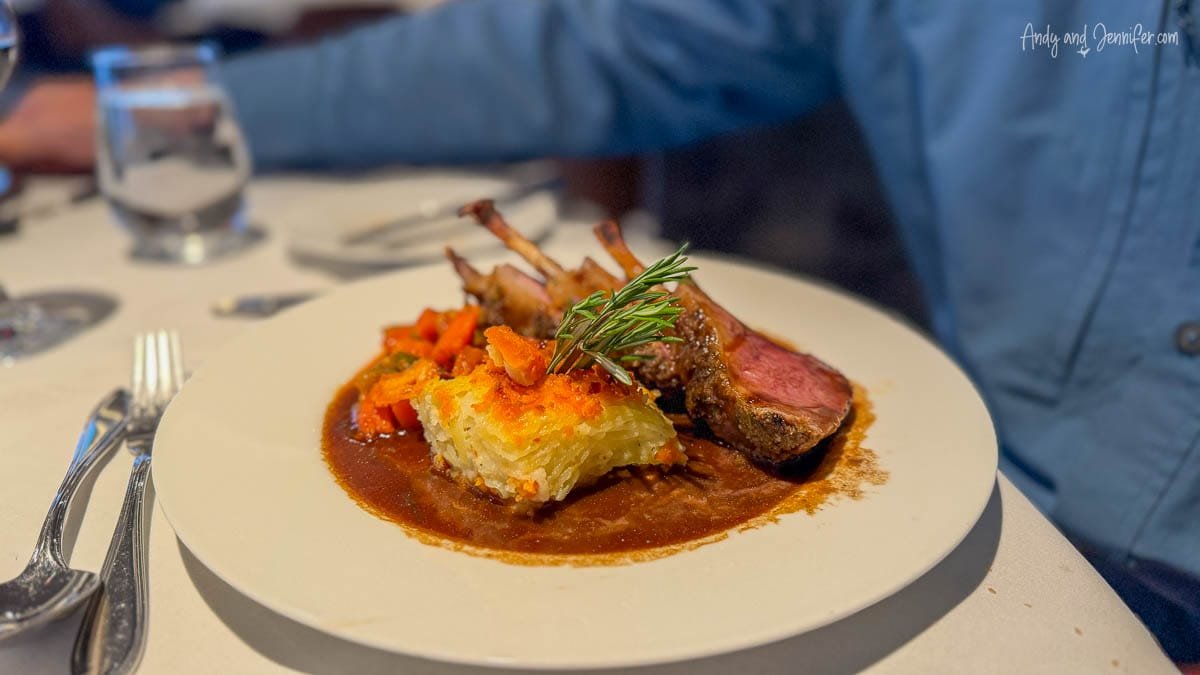
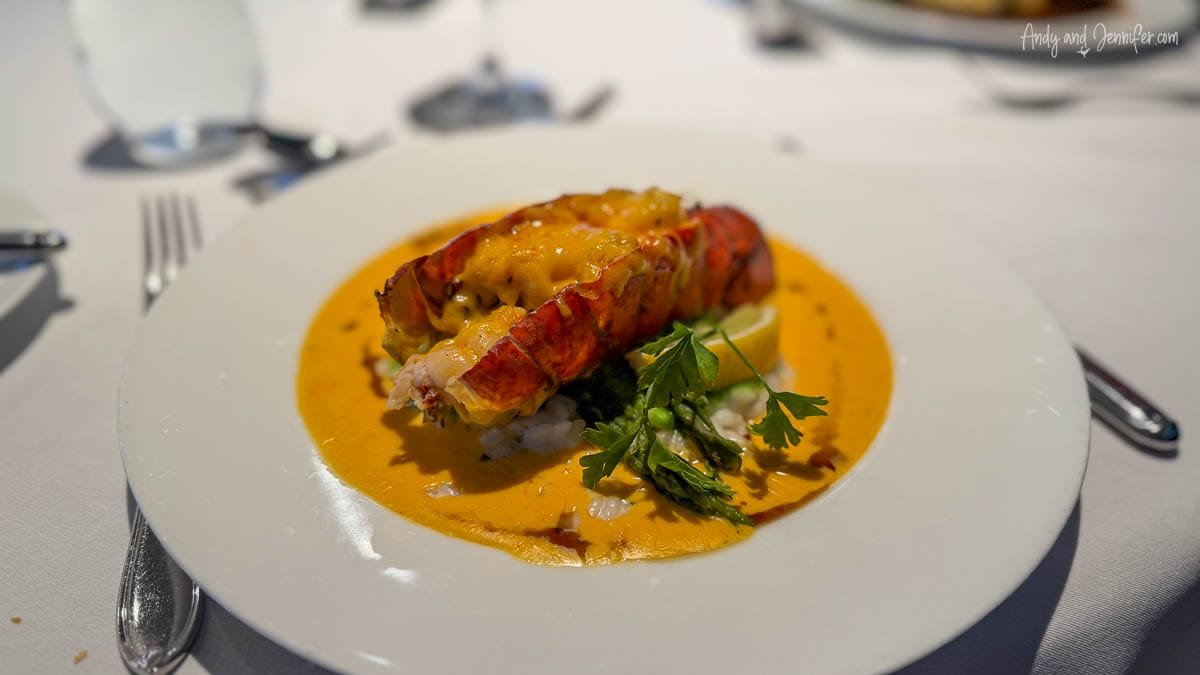
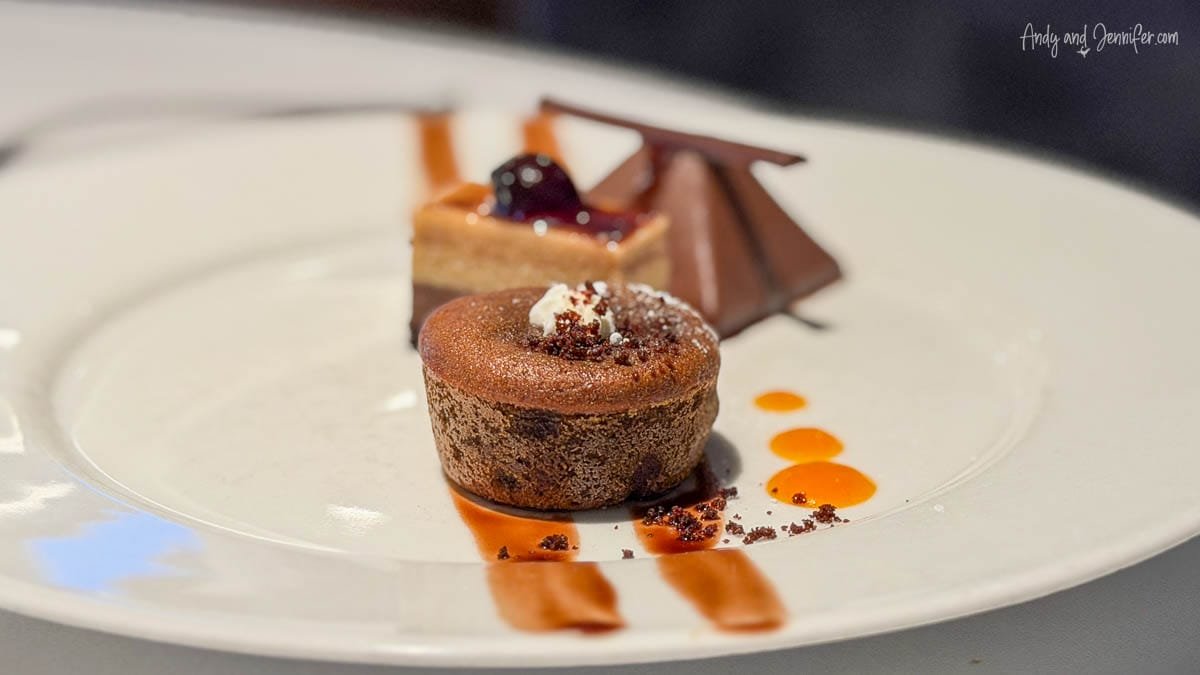
And because I really haven’t talked much about the food on board, here’s an example of dinner aboard the Ultramarine.
The Last Morning in Antarctica
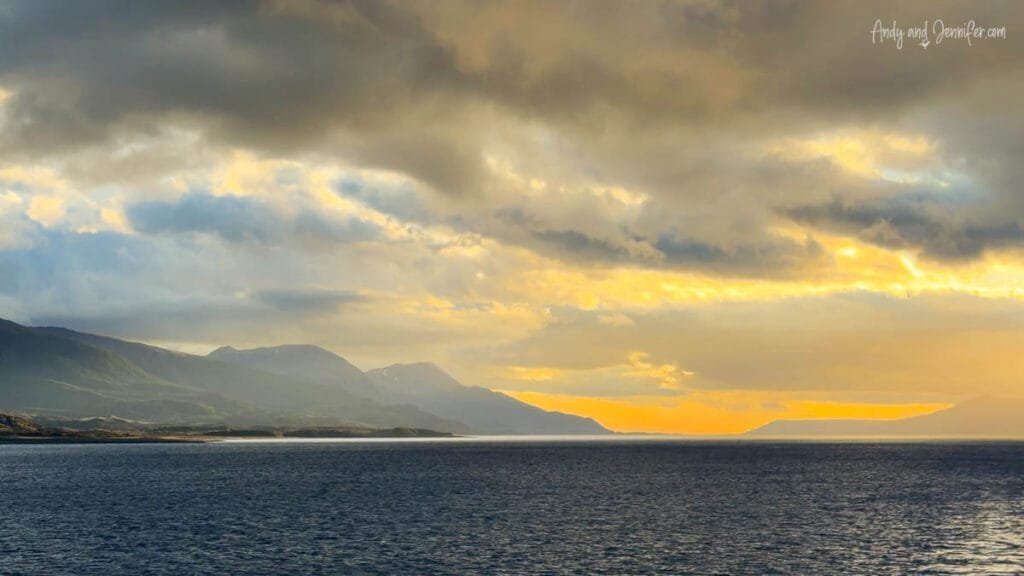
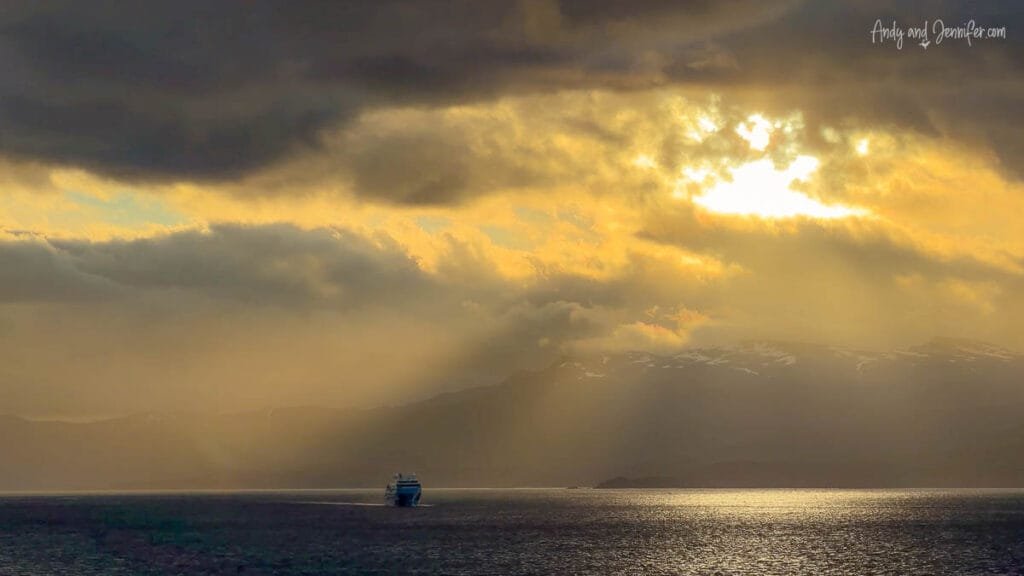
Disembarkation day felt a little abrupt, like being pulled away from something you weren’t ready to leave behind. We packed most everything the night before, and left our bags in the hallway early in the morning. We spent some time out on deck watching the coastline of South America slowly come into view.
Breakfast arrived earlier than usual and felt slightly abbreviated compared to the generous spreads we had grown used to over the previous weeks. Arriving back in Ushuaia felt like sensory overload. For weeks our world had been nothing but white ice, blue water, and silence broken only by cracking glaciers, penguin colonies, and the sharp exhale of whales. Suddenly there were cranes, trucks, traffic, and a bustling dock full of noise and movement. It felt strange to be genuinely sad about the expedition ending when we still had another six weeks of adventure ahead of us, but Antarctica had a way of getting under your skin.
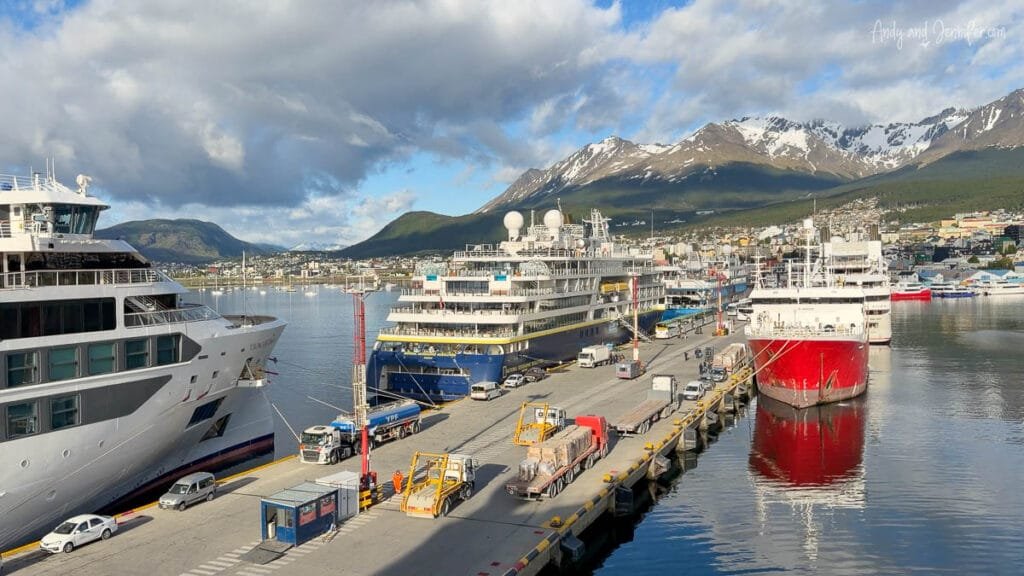
Once ashore, the process moves surprisingly quickly. You point out your luggage, the crew loads it onto the correct bus, and suddenly the voyage that felt so vast and immersive starts shrinking into airport logistics and departure times.
A Bus Tour of Tierra del Fuego National Park
Quark arranged a short bus tour through Tierra del Fuego National Park to pass the time before our 11am flight. Neither of us felt particularly excited about the idea. We had visited the park before and would happily return someday, preferably on our own schedule instead of as part of a group bus tour. Still, the alternative involved sitting around Ushuaia at eight in the morning waiting for cafés and shops to open while juggling luggage and taxis.
In the end, the tour was brief. We stopped at a couple of viewpoints, took in the scenery, and before long the bus turned around and headed toward the airport.
Back to the Airport
At the airport, the bags were unloaded from the bus, but thankfully the process itself stayed simple. Boarding passes had already been distributed during the drive, which meant we skipped the long check-in queues entirely. Security, however, was another story. The line stretched far longer than expected, and by that stage we were probably a little less patient than usual. After days filled with penguins, glaciers, helicopters, whales, and icebergs, standing in a slow-moving airport queue felt like an abrupt return to ordinary life.
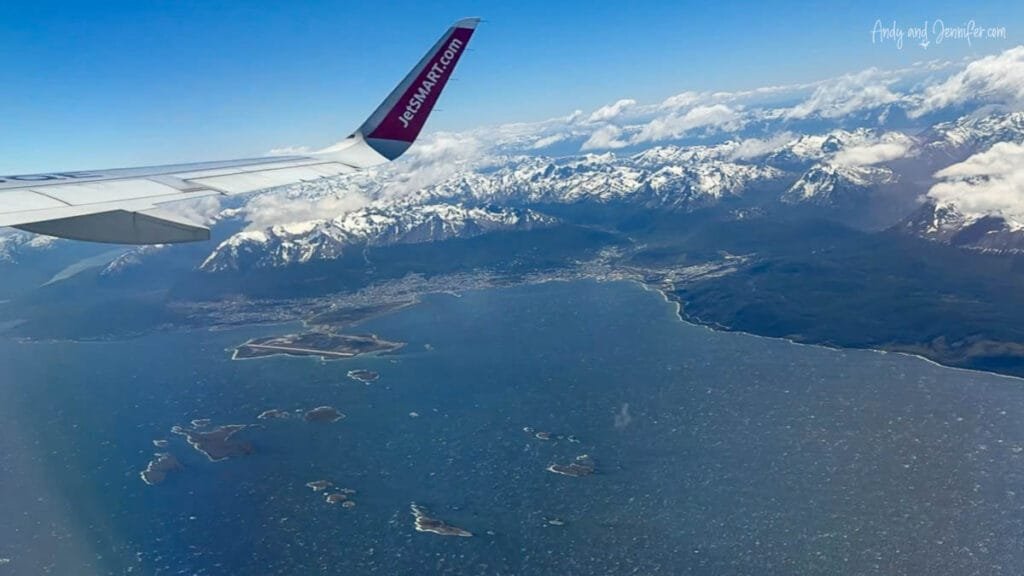
The charter flight returned us to Ezeiza International Airport, which was different from the airport we had originally departed from earlier in the trip. That worked out well for passengers connecting onward to international flights. We planned to spend one night in Buenos Aires before continuing home the following day.
A Quiet Night Near EZE Airport
Once we landed, I sent a WhatsApp message to our guesthouse. Within five minutes, someone appeared at arrivals to meet us.
EZE Arrival Tip: send a photo of your location to the person picking you up to make sure you are in the right place.
The guesthouse itself was simple, but after a long travel day the convenience of staying near EZE Airport mattered far more than luxury.

We sat in the garden drinking a beer when my phone buzzed with an alert about Avianca flight cancellations related to a software update. Naturally, that triggered an immediate round of checking aircraft types and flight numbers. Our first leg appeared unaffected, which was reassuring, but the second flight looked questionable.
Fortunately, we managed to check in successfully online, which felt like a very good sign.
By that point the day had fully caught up with us. We had been awake for a very long time, and with a 5 a.m. airport shuttle waiting the next morning, the only sensible option involved calling it an early night.
Next up –> From Buenos Aires to the Canopy Tower in Panama

We’re Andy and Jennifer—two former corporate executives who chose long ago to prioritise experiences over stuff while pursuing our passions for travel and photography. From the Arctic to Antarctica, and most places in between, we’ve captured the world through our lenses and love sharing those stories. Our careers gave us the means, but our purpose is inspiring others to explore and helping people create images they’re proud of.
Related posts:
 Embarkation Day in Buenos Aires: What to Expect on Quark Ultramarine
 From Buenos Aires to Canopy Tower Panama and Pipeline Road
 Drake Passage Sea Days: What to Expect on an Antarctica Expedition
 Emperor Penguins at Snow Hill: The Day It Finally Happened
 Cruising the Lemaire Channel and Flightseeing in Antarctica
 The Drake and Ushuaia