
Cruising the Lemaire Channel and Flightseeing in Antarctica
The plan for the day involved arriving at the Lemaire Channel around sunrise. Remember how we shifted the ship’s time zones earlier in the voyage? This was a perfect example of why. I understood the strategy now. Sunrise was closer to 5 a.m. instead of 3 a.m.
For reasons neither of us can explain, we both woke up around 4 a.m. We pulled back the blackout curtains and saw a soft pink glow outside, the kind that usually means sunrise is doing something interesting. Within minutes we were fully dressed and heading up to Deck 7, where we discovered we had the entire place to ourselves.
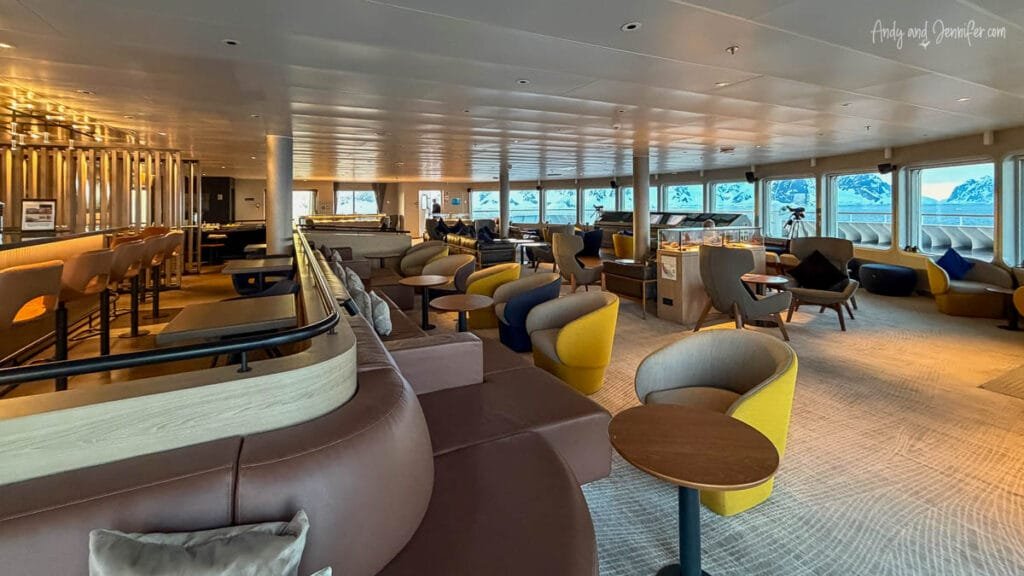
The sky glowed in pastel shades of pink and gold while the water sat completely calm. It felt like one of those rare moments that rewards people who wake up early.
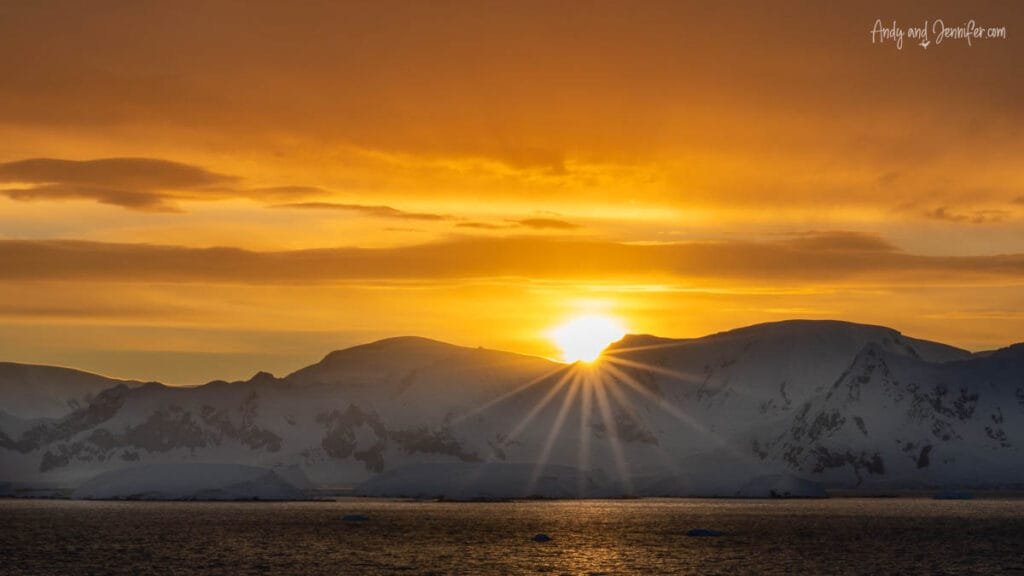
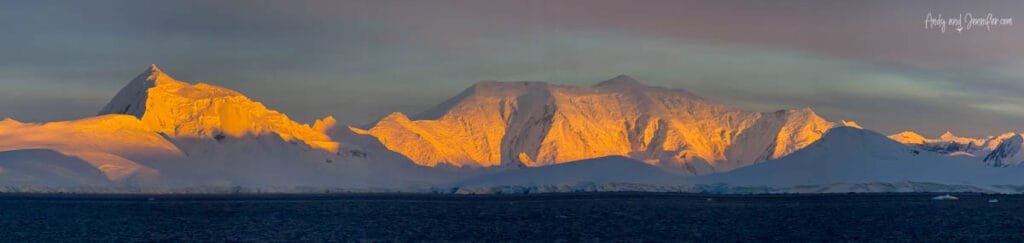
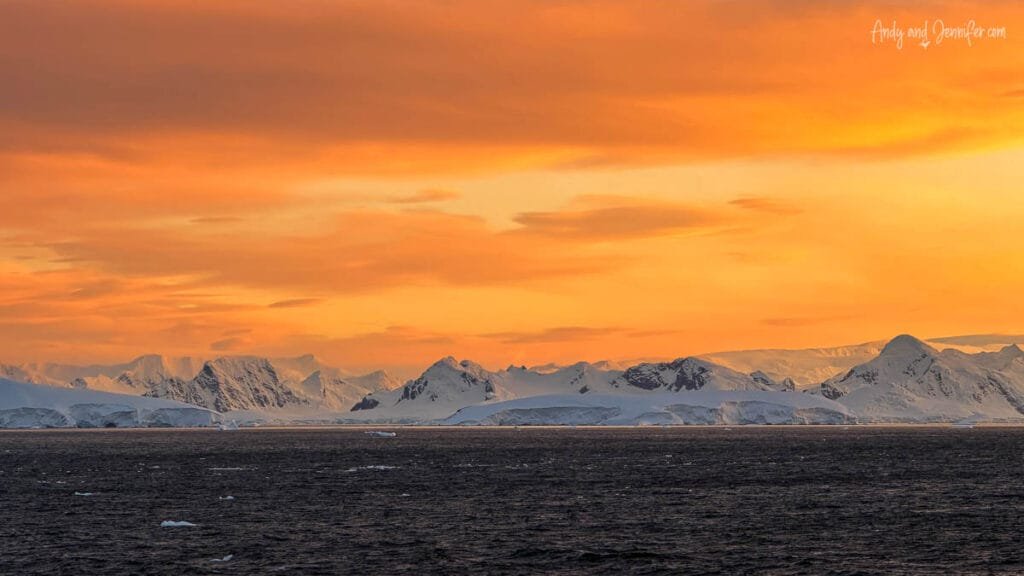
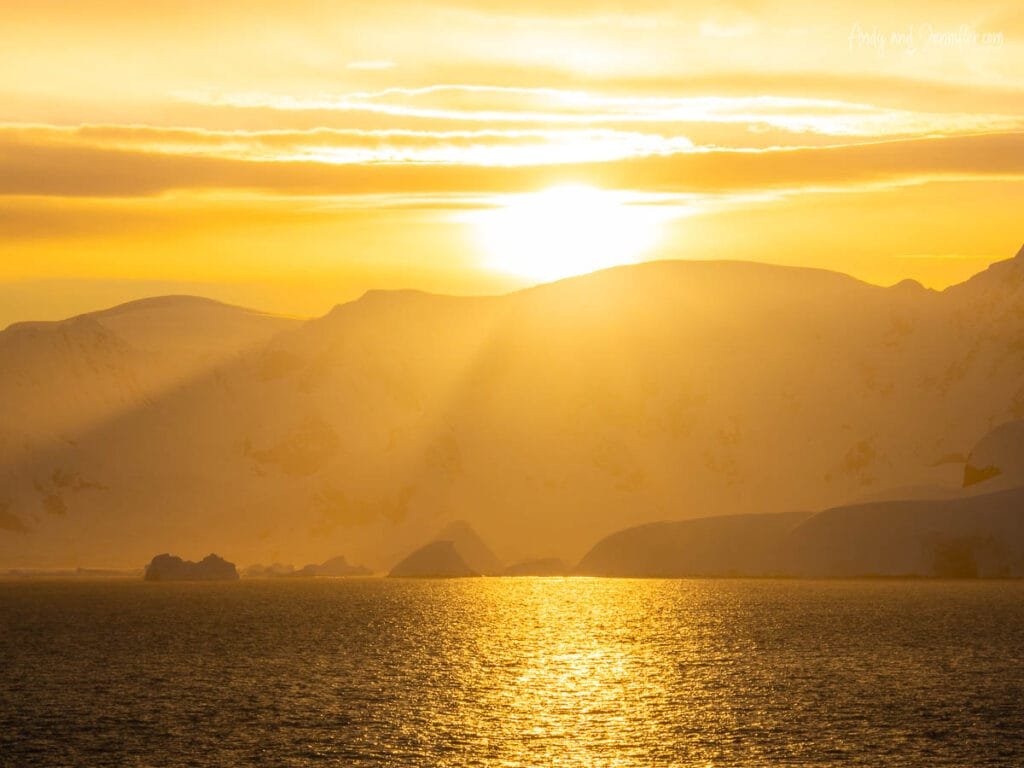
Around 7 a.m. the ship entered the channel.
Cruising Through the Lemaire Channel
We had passed through the Lemaire Channel once before during a previous trip. That crossing happened after dinner beneath thick clouds while snow fell steadily around us. We watched from the hot tub while the surrounding mountains remained mostly hidden behind weather.
This visit could not have looked more different.
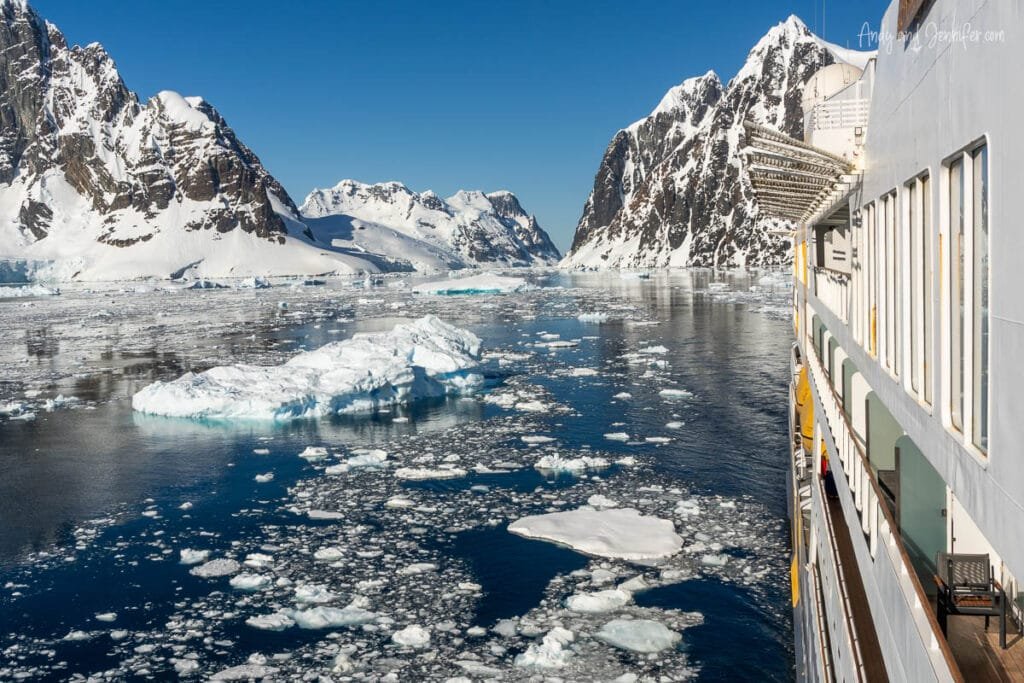
The skies were perfectly clear, and steep mountains rose sharply from both sides of the narrow passage.
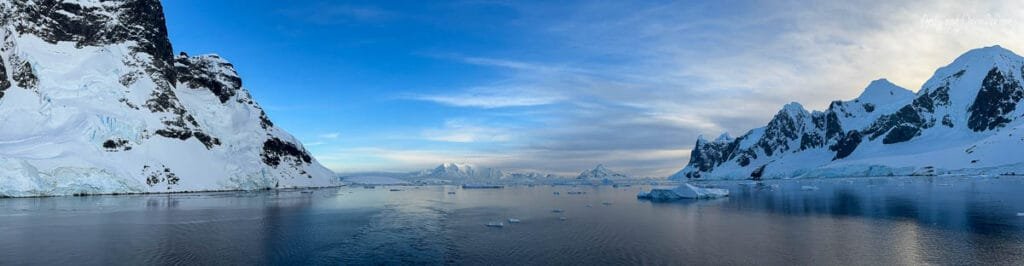
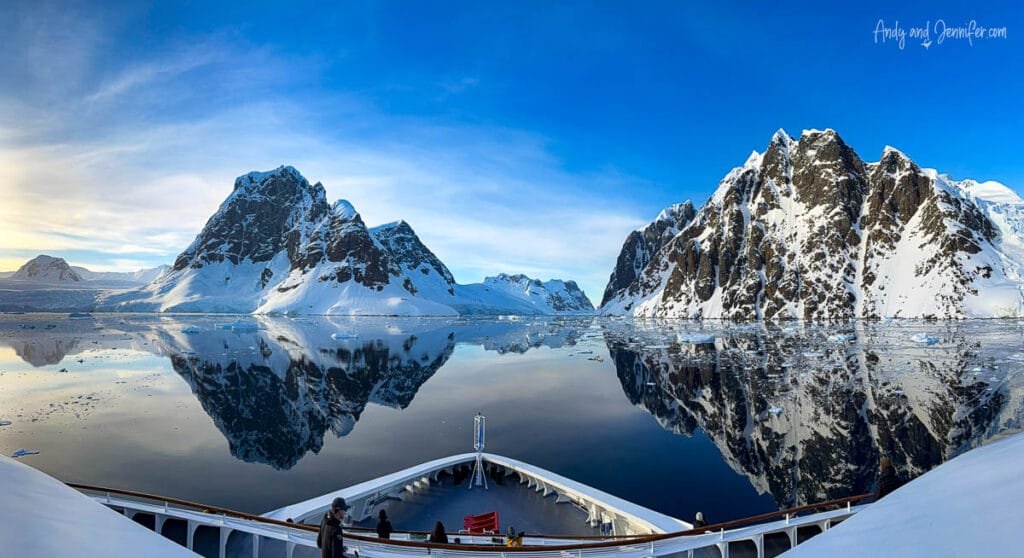
The Lemaire Channel is famous for dramatic scenery, but what surprised me most was how tight it actually felt. Watching a ship this size carefully thread its way through the ice and towering rock walls was seriously impressive.
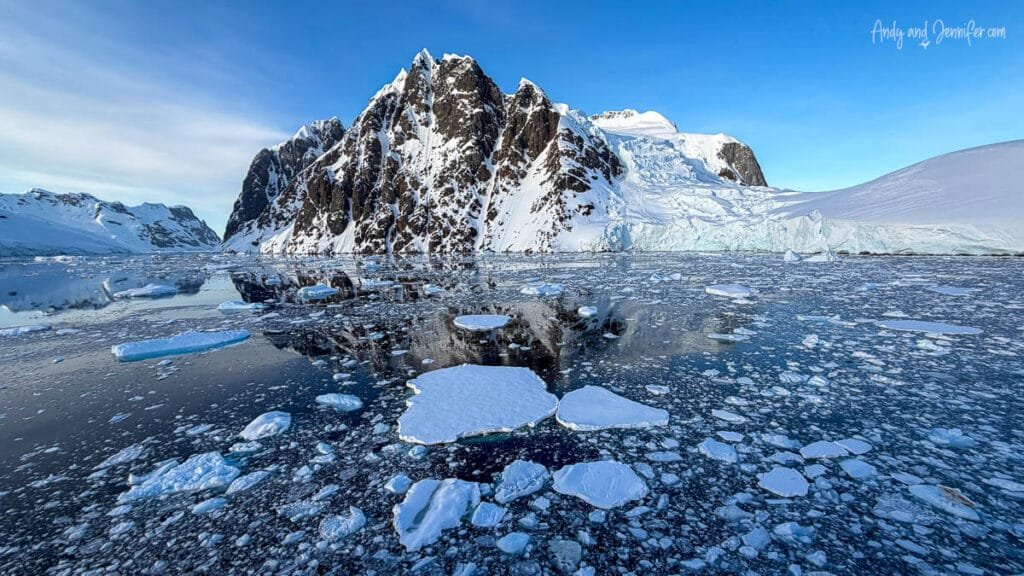
When we emerged on the far side, we headed down for breakfast while the expedition team assessed the conditions farther ahead. It didn’t take long for them to realize the sea ice beyond the channel was too dense to safely navigate. Which meant we turned around. And went through the Lemaire Channel again.
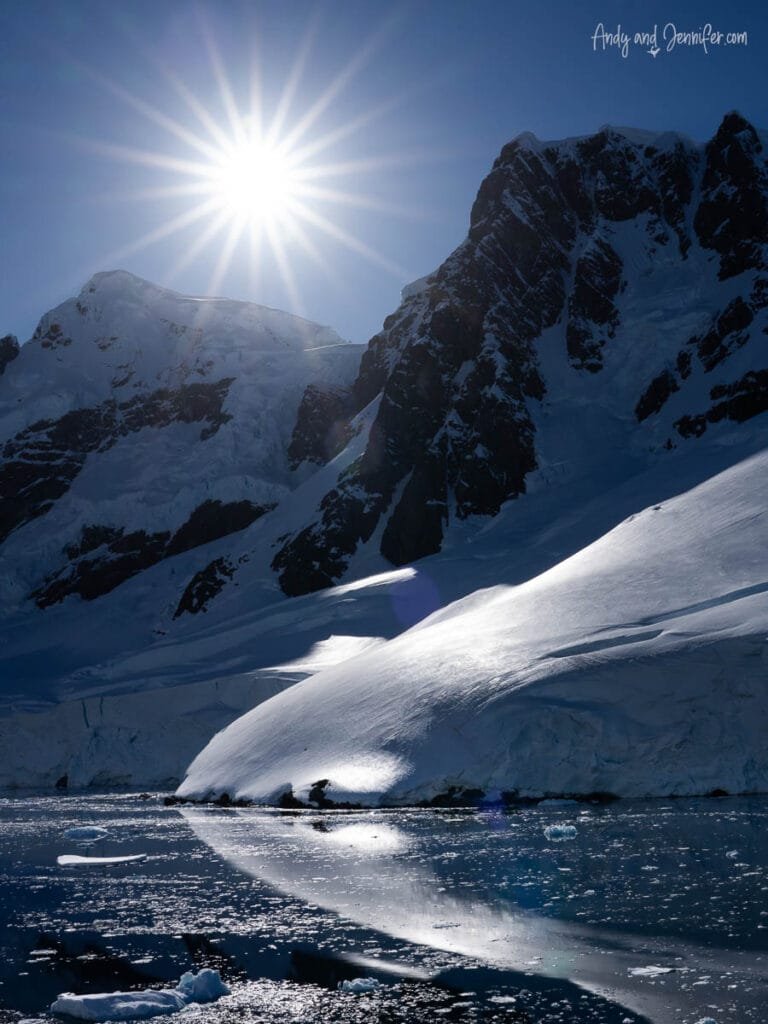
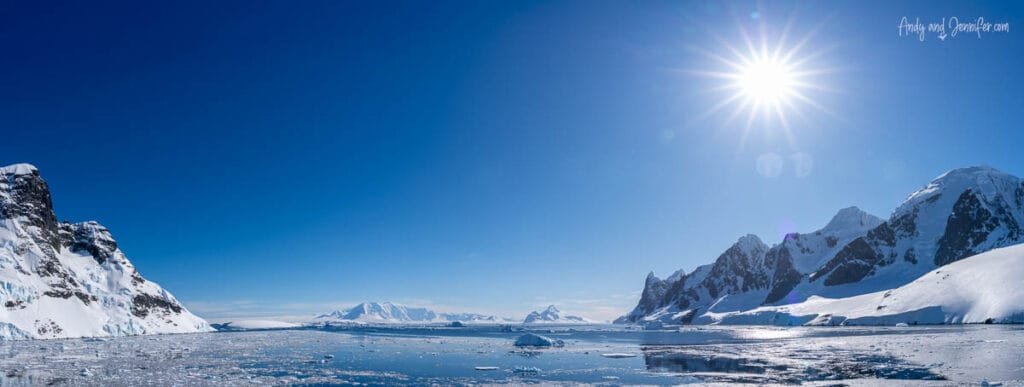
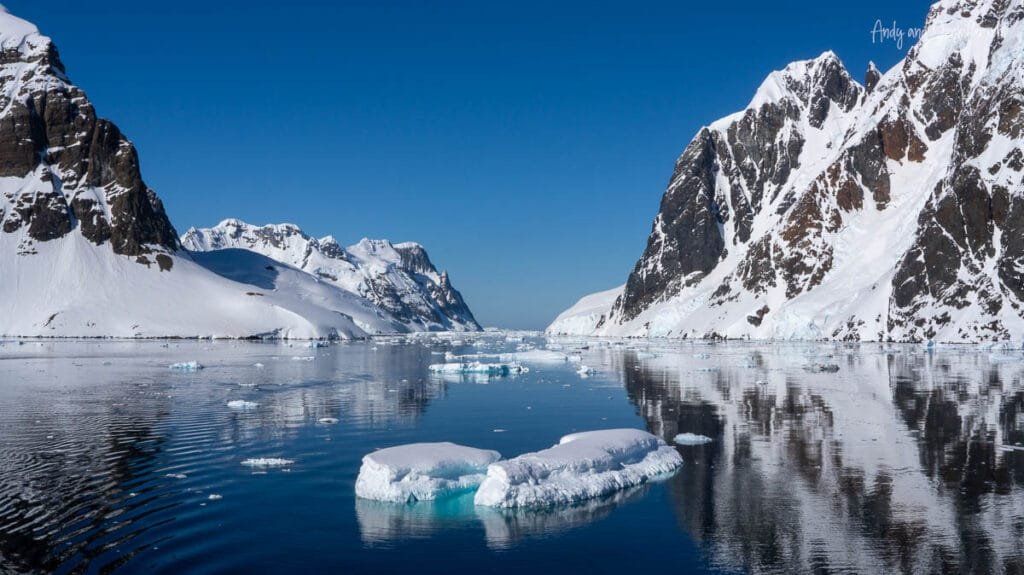
Honestly, the second pass somehow felt even better. The sun sat higher in the sky, lighting up the glaciers and mountain peaks more intensely, and passengers gathered out on the bow for a group photo while we slowly moved back through the channel.
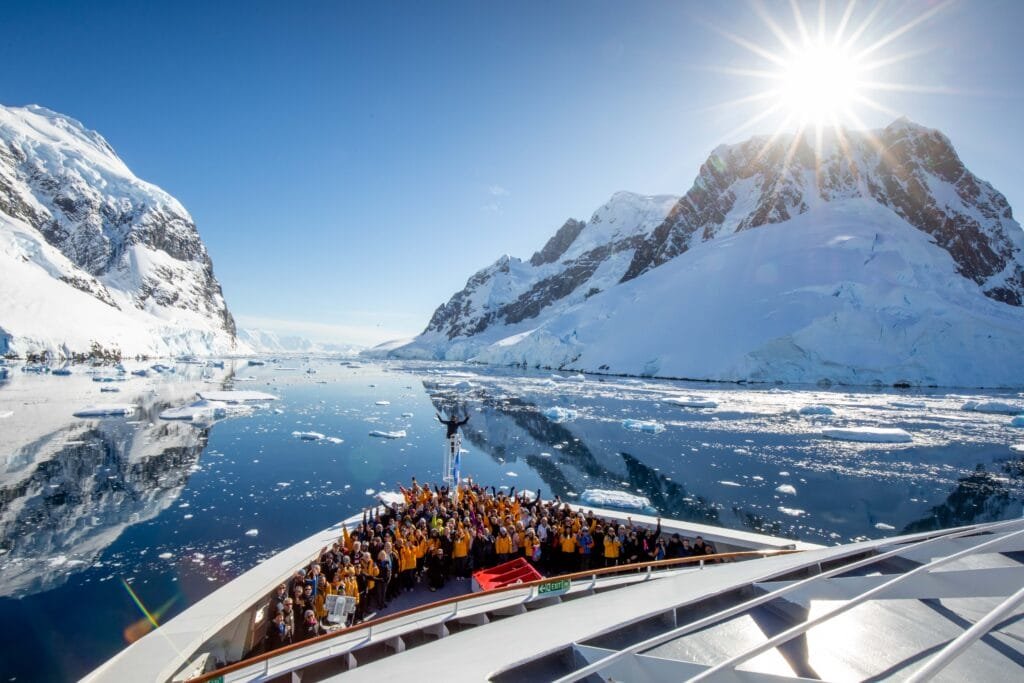
Photo by Expedition Photographer Michelle Sole
Two passes through the Lemaire in perfect weather felt like a pretty incredible bonus.
Hidden Bay
Once we cleared the channel for the second time, the ship repositioned and anchored in Hidden Bay. Up until this point, I had focused so heavily on the Snow Hill expedition that I barely thought about the rest of the voyage. Everything after the emperor penguins felt like gravy. Once the primary goal succeeded, every additional experience started to feel like an unexpected bonus.
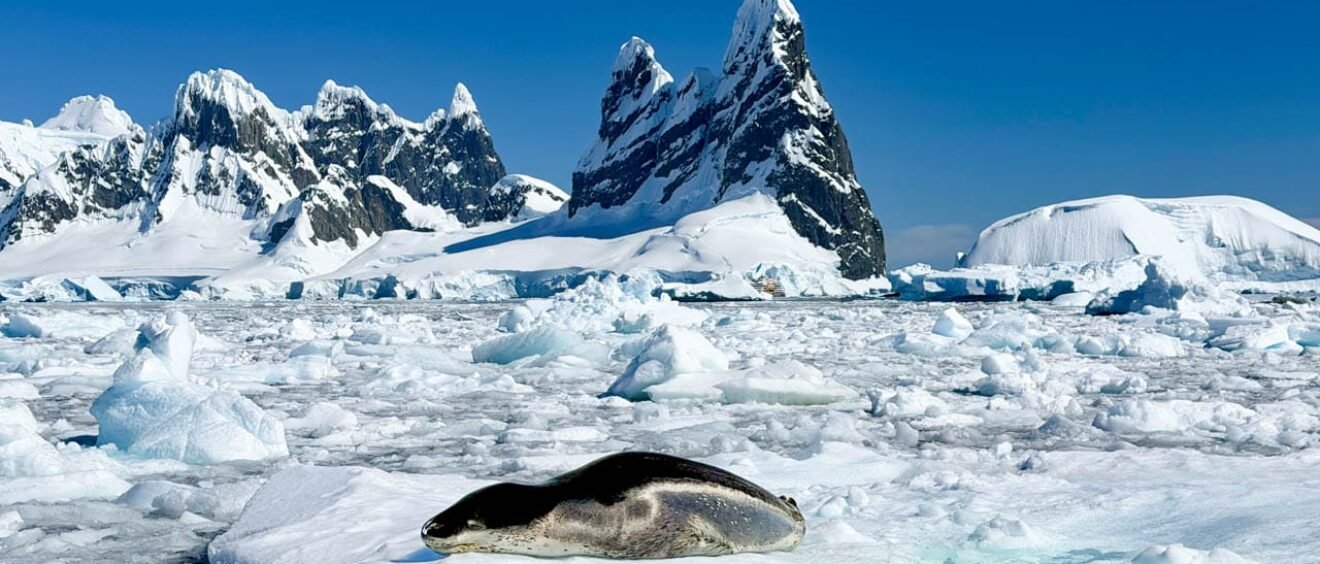
The first activity in Hidden Bay involved a Zodiac cruise, and the conditions could not have been better. There was not one cloud in the bright blue sky, the water stayed calm, and wildlife seemed to appear in every direction. As usual, Andy and I split up into different Zodiacs. Over time we’ve learned this gives us the best chance of seeing different wildlife behaviour and coming back with completely different photos instead of two versions of the same thing.
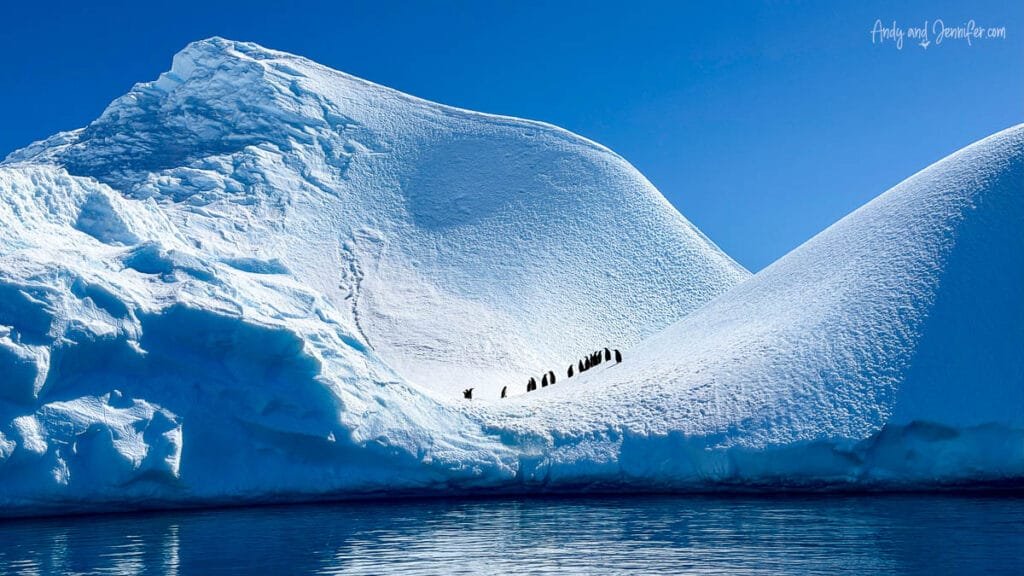
We passed several Crabeater Seal hauled out on the ice. When they get wet, the darker damp fur can create mask-like patterns across their faces and bodies, often making them look like they are moulting even when they are not.
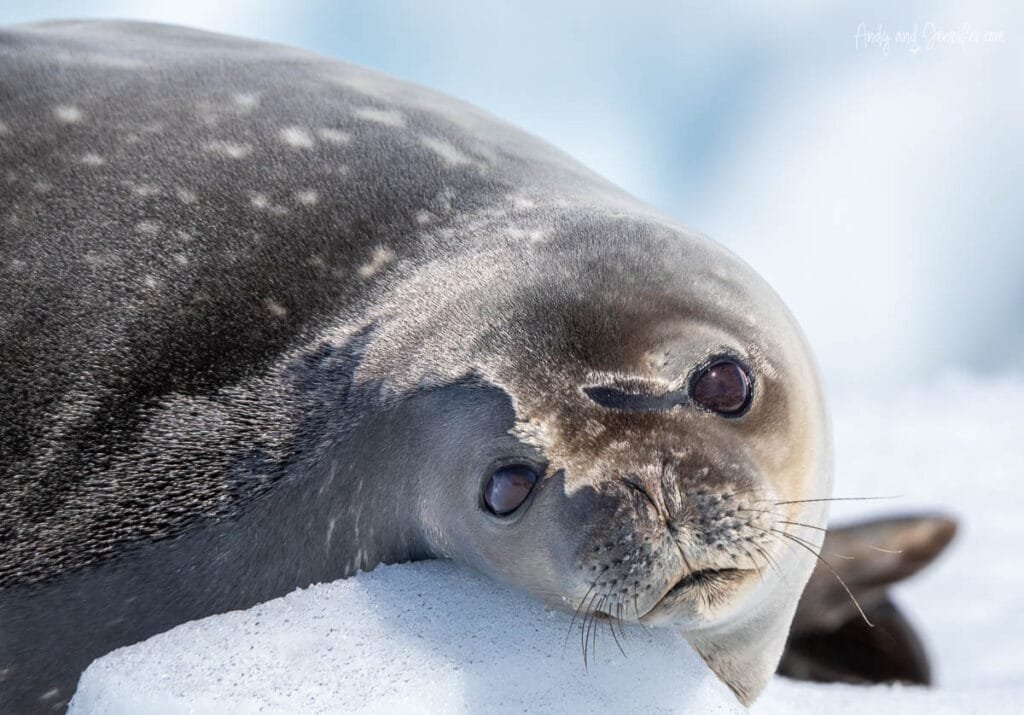
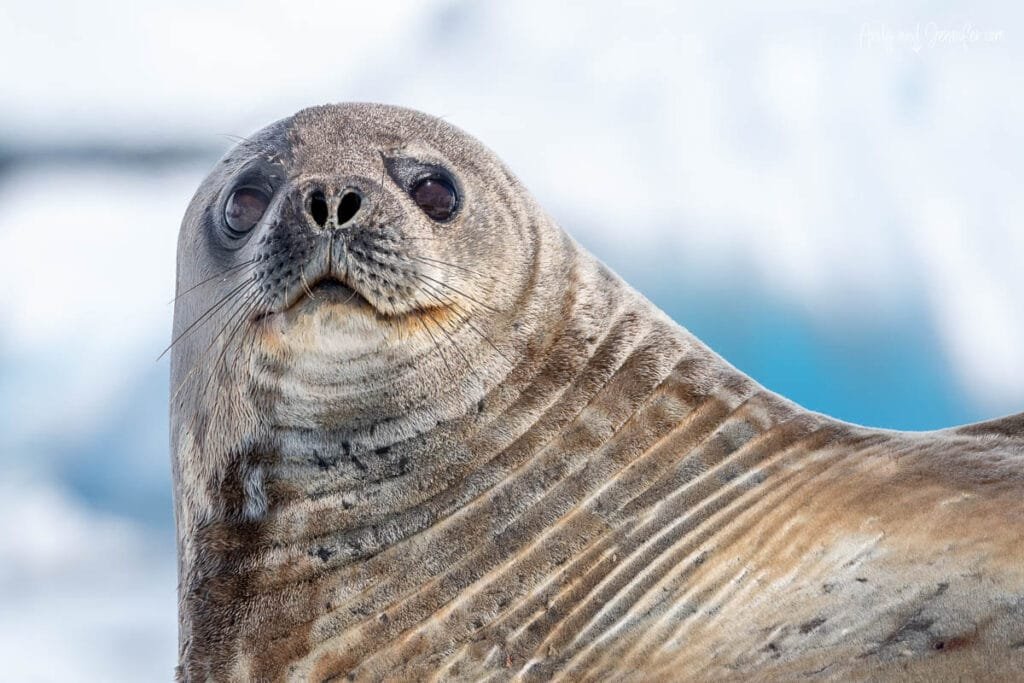
We also spent a long stretch watching an incredibly patient Leopard Seal resting near the surface. Unlike the puppy-faced crabeater seals lounging nearby, leopard seals look like some sort of prehistoric reptile.
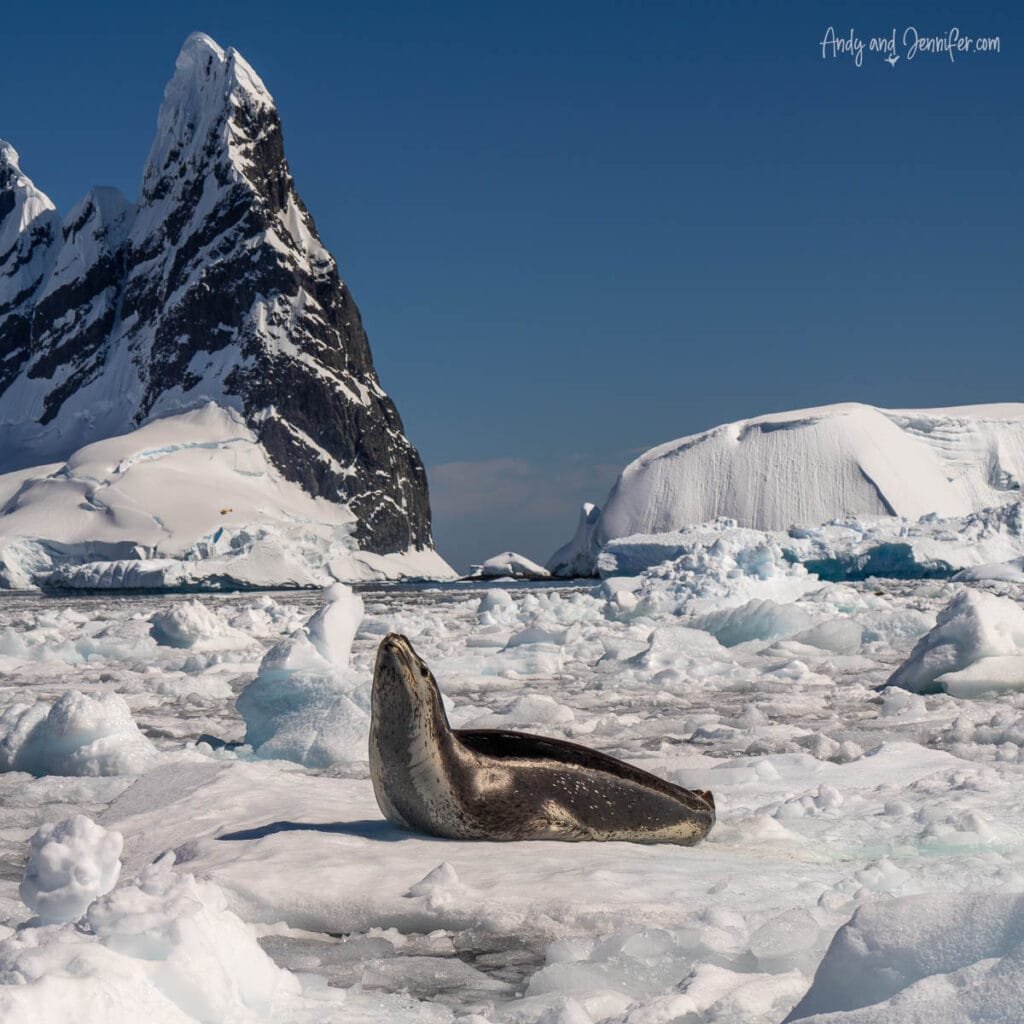
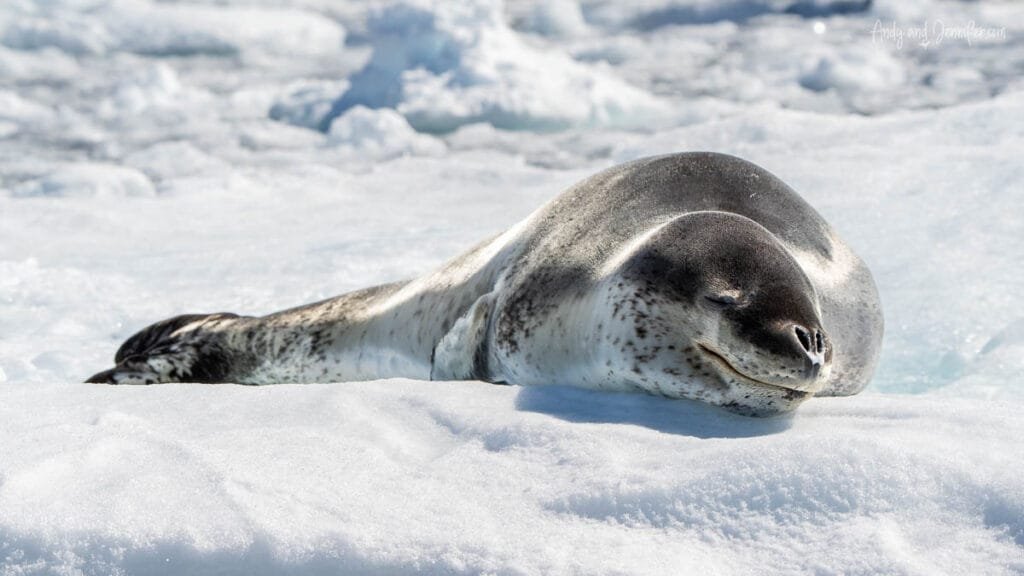
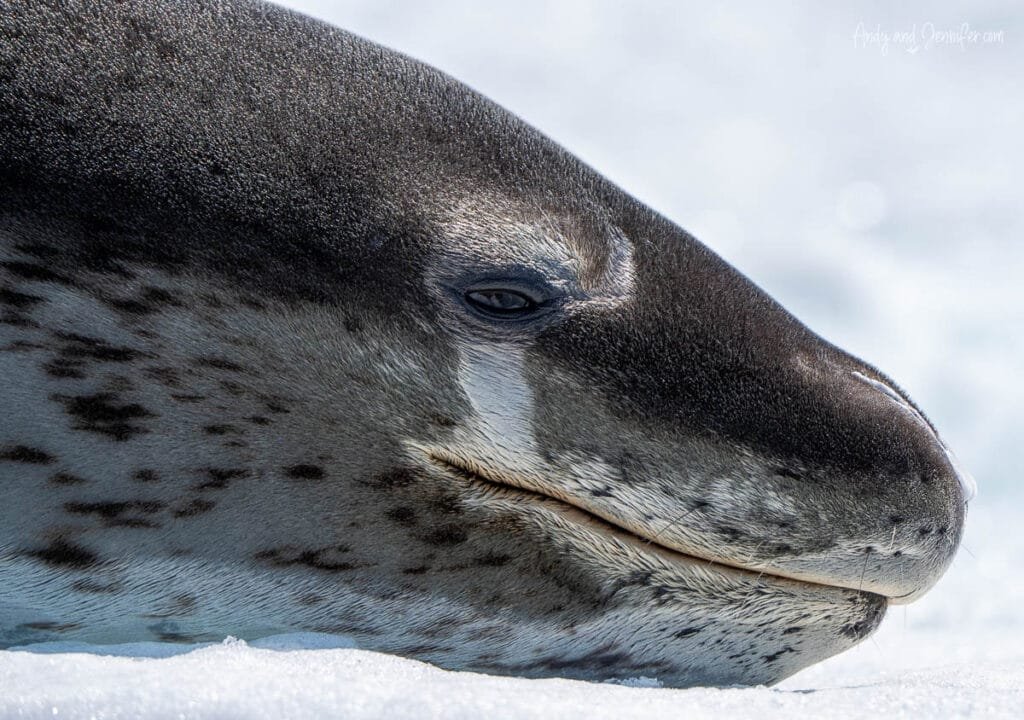
Nearby, Gentoo Penguins darted through the water and we actually got some in-focus porpoising shots (IYKYK).
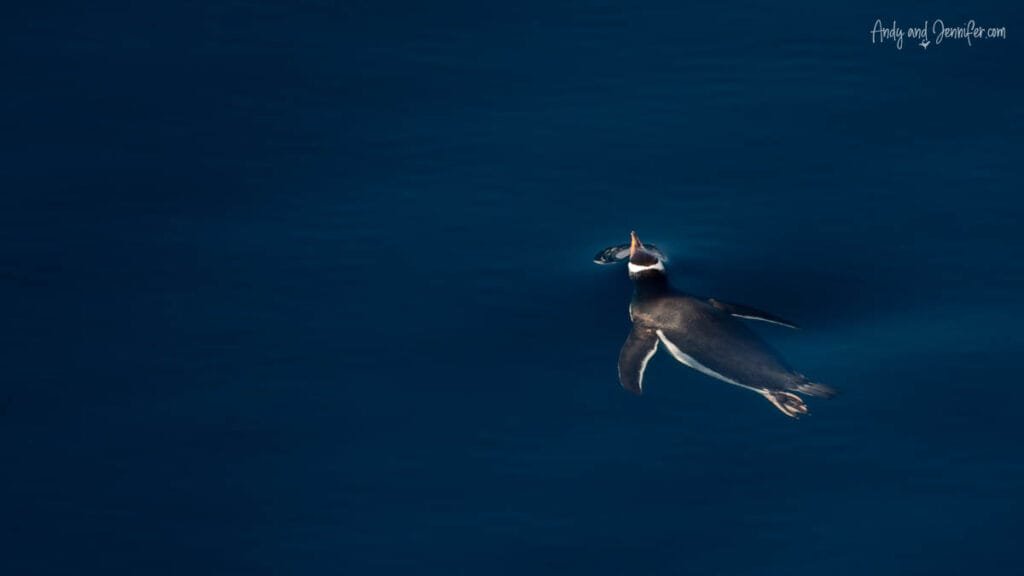
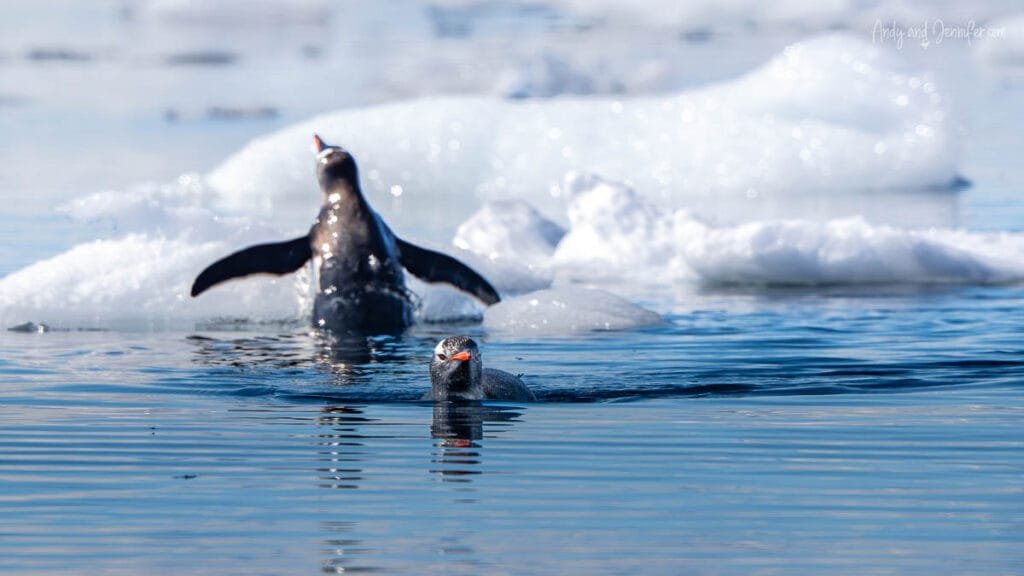
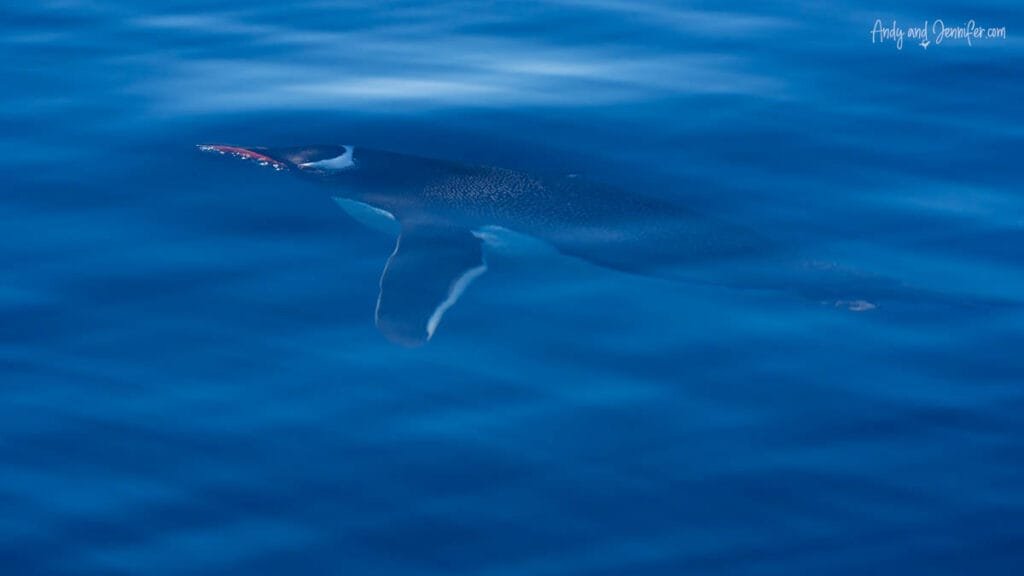
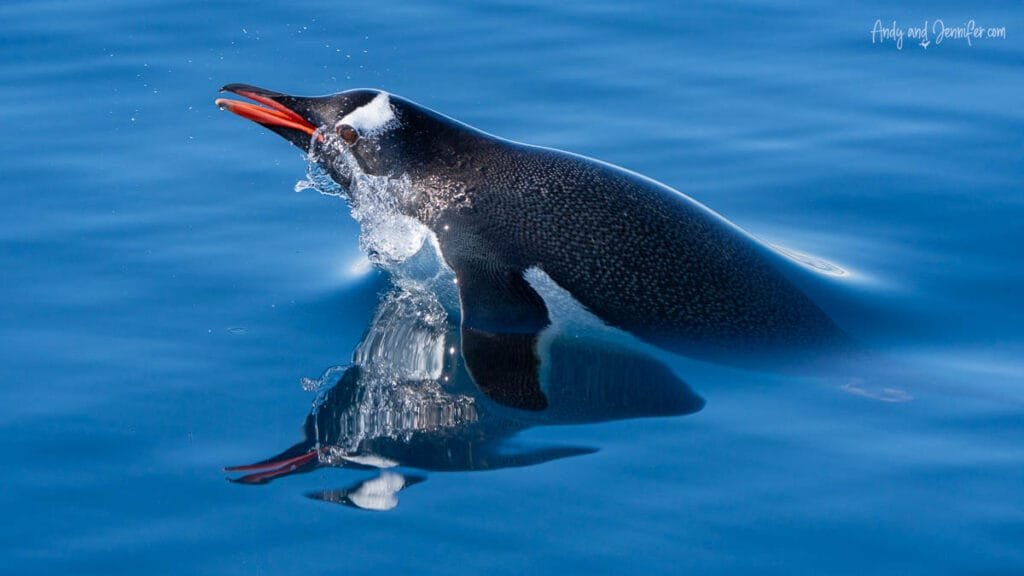
It felt like one of those Zodiac cruises where you didn’t know which way to look and you couldn’t stop smiling.
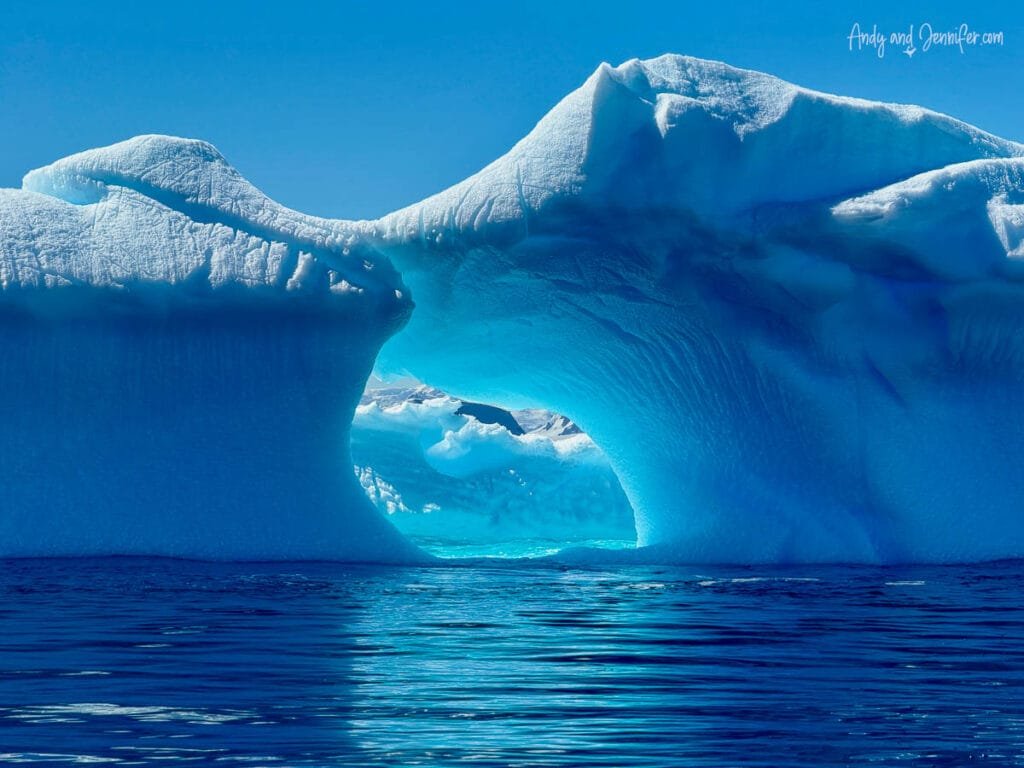
Flightseeing in Antarctica
Back onboard, Andy and I regrouped in the cabin and compared notes and photos from our separate Zodiac rides. But after just a few minutes, another announcement came over the speakers.
We would be going helicopter flightseeing in Antarctica.
My first reaction was confusion. I assumed we had already used up all of our helicopter luck (and fuel) getting to Snow Hill. But I’m not about to turn down a helicopter flight in Antarctica, so back into the dry suits we went.
For the flightseeing runs, the seating arrangement worked slightly differently. Nobody received a middle seat this time, which meant every passenger had a window view. I ended up in seat three while Andy sat in seat one near the rear of the helicopter facing forward.
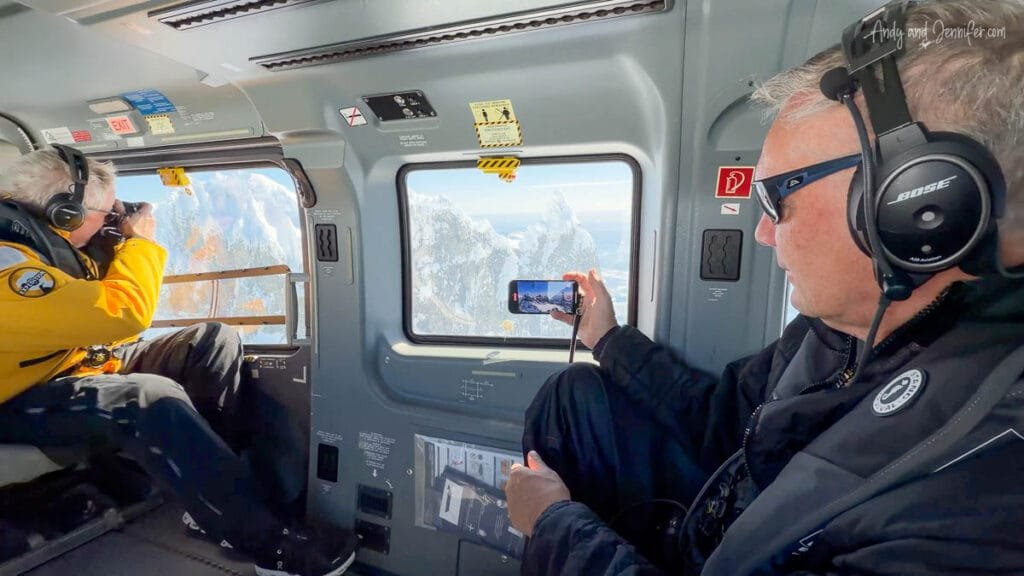
The flight lasted roughly fifteen minutes and circled a large mountain near the bay. The pilots kept the ride smooth and controlled, banking the helicopter just enough to give everyone sweeping views of glaciers, mountains, and ice-filled waterways below.
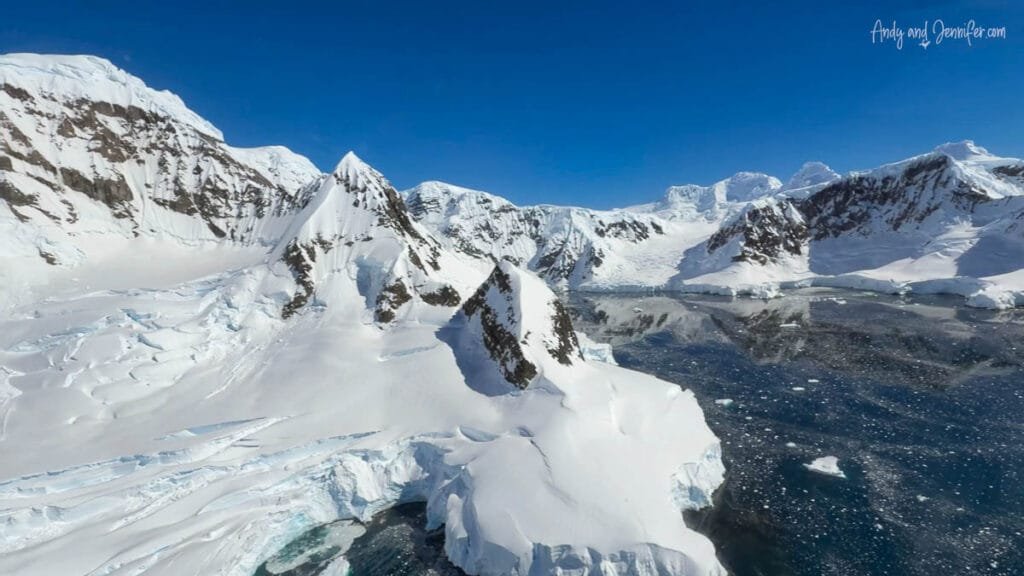
Even after everything we had already experienced on this voyage, flightseeing in Antarctica managed to exceed our expectations.
The Energy on the Ship
By the time we returned to the ship, the mood onboard felt unmistakable.
We had already experienced extraordinary luck with the Snow Hill expedition, and now we had a day that included perfect conditions in the Lemaire Channel, an exceptional Zodiac cruise, and an unexpected helicopter flight over Antarctica.
You could feel it throughout the ship. Everyone knew we were experiencing something special.
Interrupted Lectures
That evening lecture was about penguin poop, which turned out to be significantly more interesting than the title initially suggested. Half way though, the expedition leader announced that the final helicopter flight of the day would perform a fly-by of the ship. Prior to this expedition, I hadn’t understood the hype about flightseeing in Antarctica. I get it now.
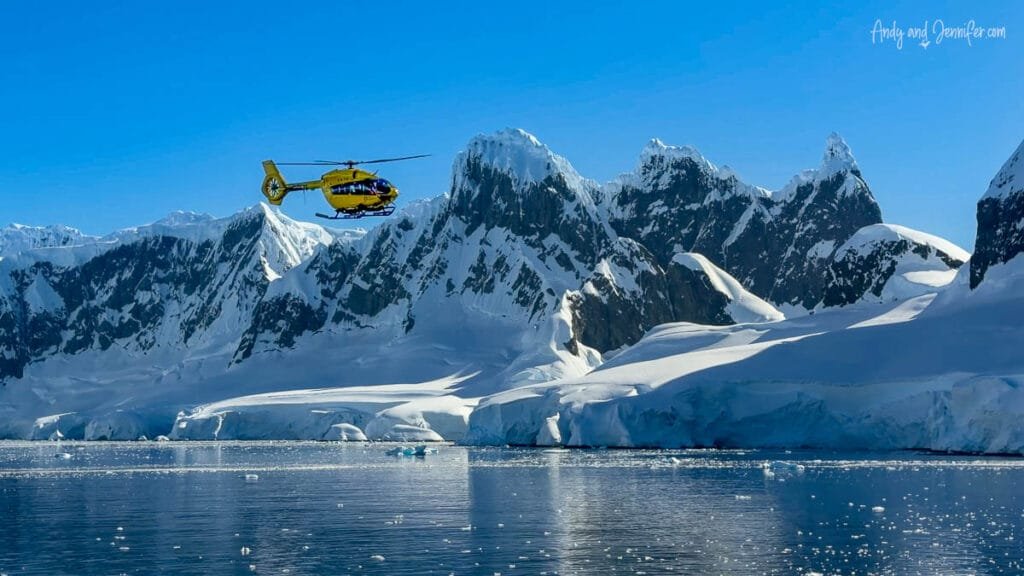
Eventually we returned and the lecture resumed. About ten minutes later, another interruption arrived in the form of a massive avalanche crashing down the mountains behind the ship. A thunderous cracking sound echoed across the bay, sending everyone back out onto the deck again to watch snow cascade down the slope.
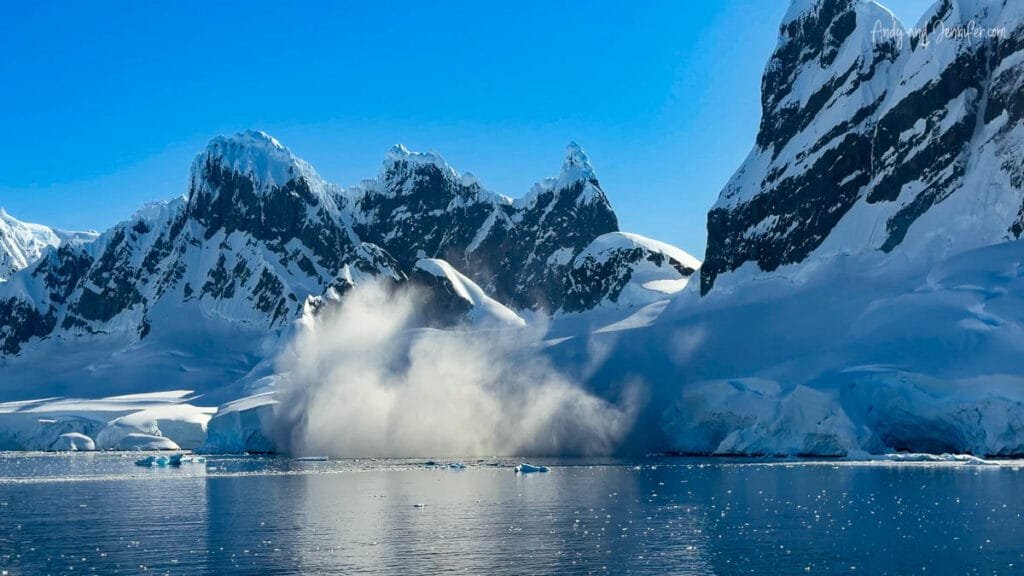
The lectures onboard were genuinely fascinating, but I couldn’t help feeling a little sympathy for the presenters. Competing against whales, helicopters, and avalanches feels like a very difficult assignment.
Next up –> The Penguin Highways at Palaver Point

We’re Andy and Jennifer—two former corporate executives who chose long ago to prioritise experiences over stuff while pursuing our passions for travel and photography. From the Arctic to Antarctica, and most places in between, we’ve captured the world through our lenses and love sharing those stories. Our careers gave us the means, but our purpose is inspiring others to explore and helping people create images they’re proud of.
Related Posts
 Emperor Penguins at Snow Hill: The Day It Finally Happened
 Drake Passage Sea Days: What to Expect on an Antarctica Expedition
 Snow Hill Emperor Penguins: Will We Even Get There?
 Exploring the Canadian Rockies: Canmore, Lake Louise, and Jasper
 Embarkation Day in Buenos Aires: What to Expect on Quark Ultramarine
 Stand Up Paddleboarding in Antarctica: Icebergs, Penguins, and Orcas at Tower Island