African Penguins in Simon’s Town: Our First Visit to Boulders Beach
True to form for the rest of this trip, our journey to Simon’s Town did not go according to plan.
We’d basically lost an entire day after being forced to overnight in Johannesburg. But honestly, that was probably preferable to the alternative. Our original schedule would have had us driving from Cape Town to Simon’s Town at night and arriving at our accommodation around 11 p.m.
Given that we’d never driven in Cape Town before, arriving the following day in daylight wasn’t necessarily a bad thing.
Driving From Cape Town Airport to Simon’s Town
Cape Town gets a bad rap when it comes to crime, and you do need to be vigilant.
One piece of advice we’d been given repeatedly was to look at the route before leaving and know roughly where you’re going. Don’t blindly follow Google Maps if it suddenly tries to reroute you through an unfamiliar area to save a few minutes.
We had no problems at all.
The drive from Cape Town International Airport to Simon’s Town took about an hour, and before long we were heading south along the Cape Peninsula.
After three days in the bush at MalaMala and roughly 20 days at sea before that, there suddenly seemed to be an awful lot of people around.
Staying Within Sight of the Boulders Beach Penguins
We stayed at Penguin View Guesthouse in the honeymoon suite on the top floor.
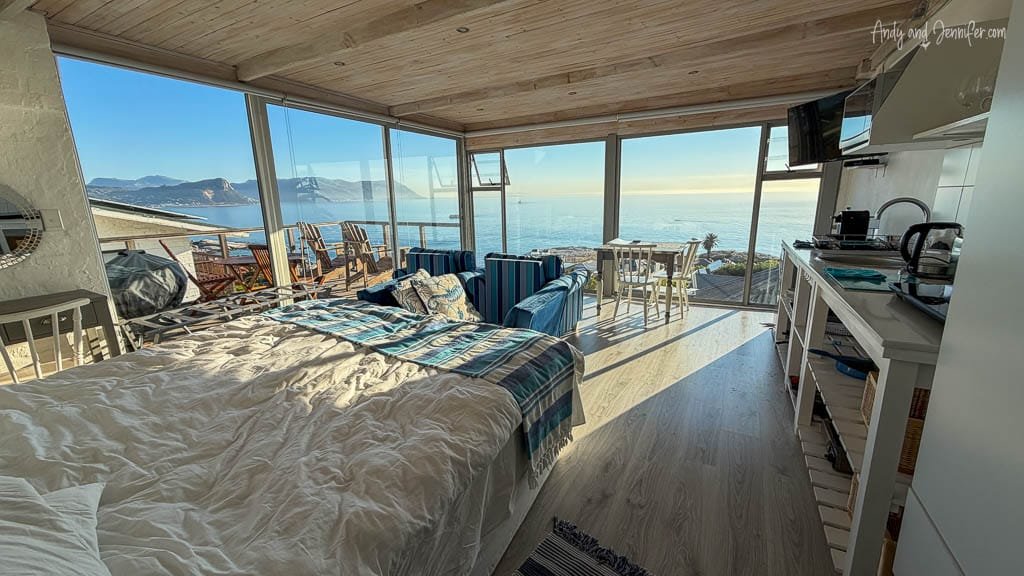
The room had a balcony with a stunning view, and almost immediately we could see Boulders Beach and (and hear) the African penguin colony below us.
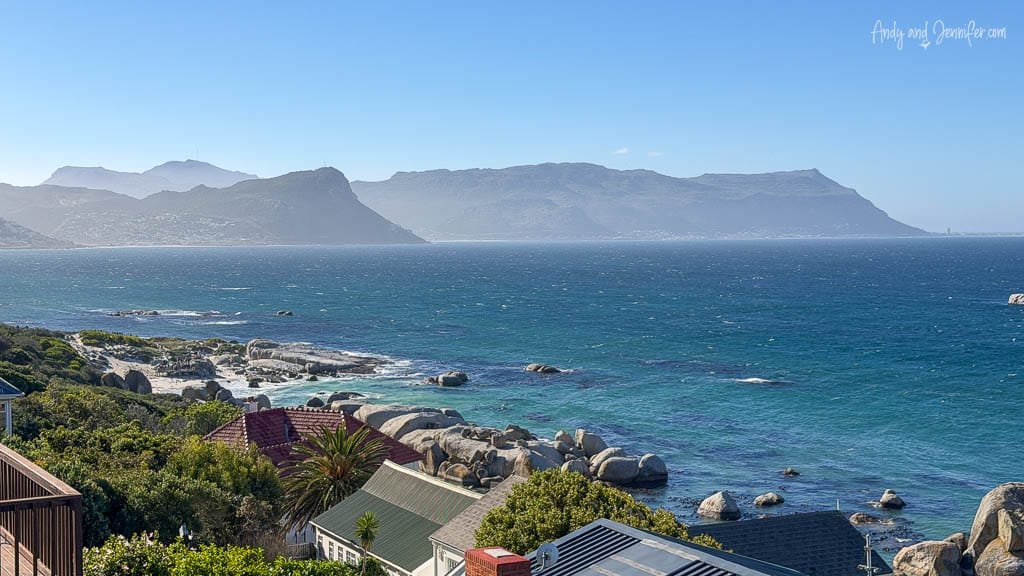
We decided to walk down that afternoon, partly because we wanted to figure out where we were going before returning with our cameras the following morning.
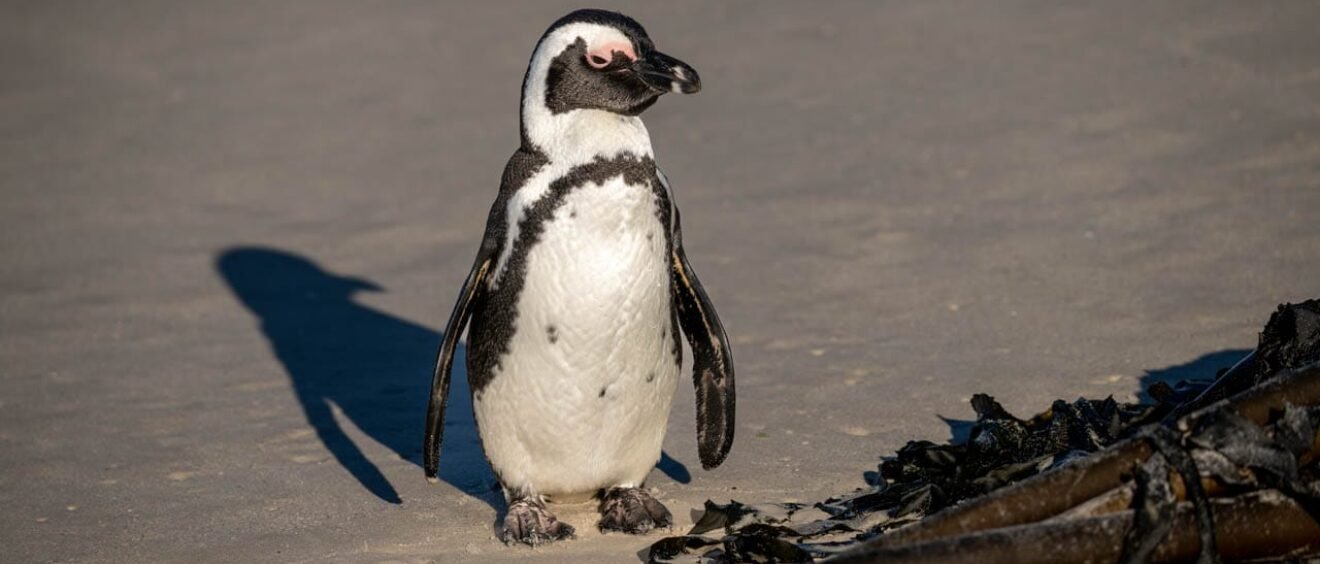
It didn’t take long to find penguins.
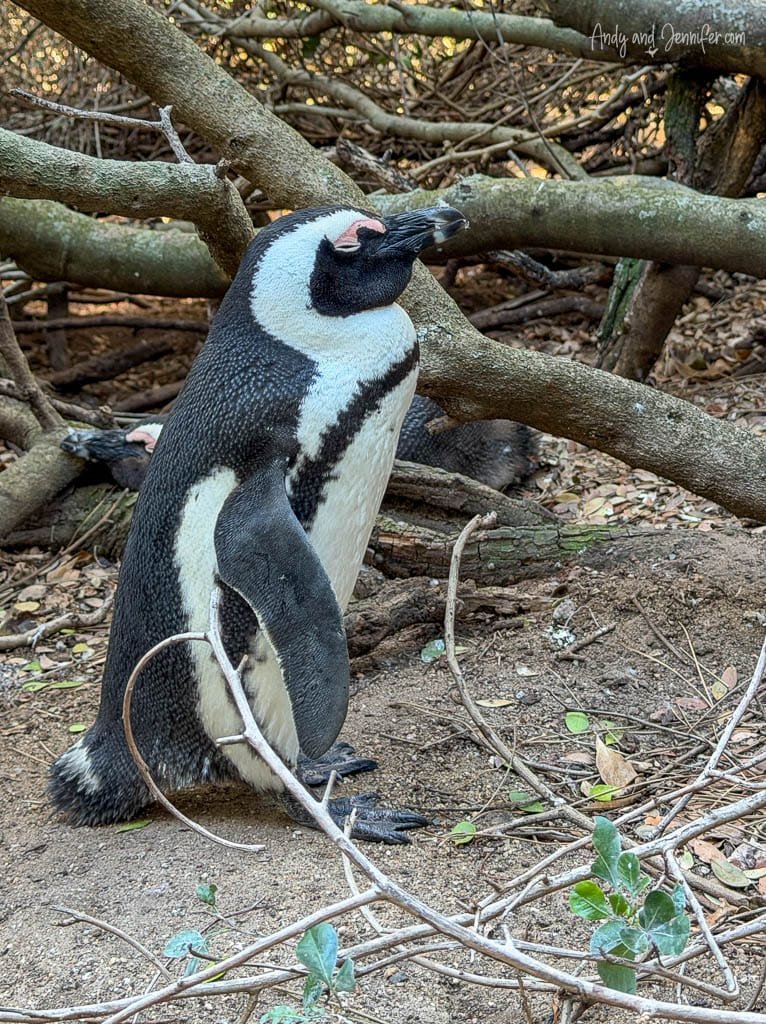
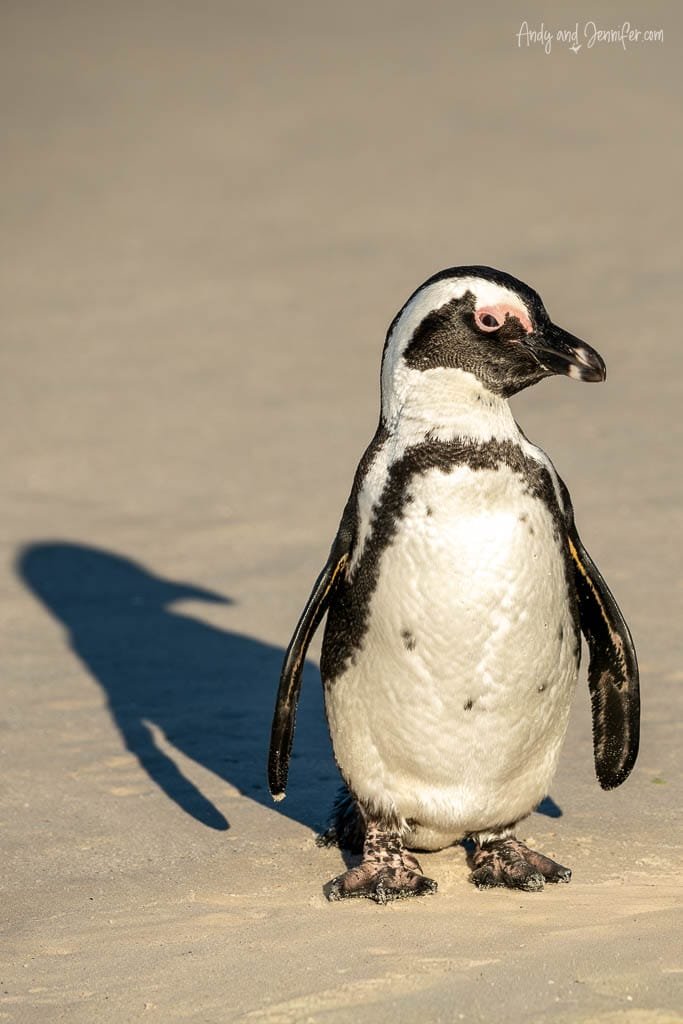
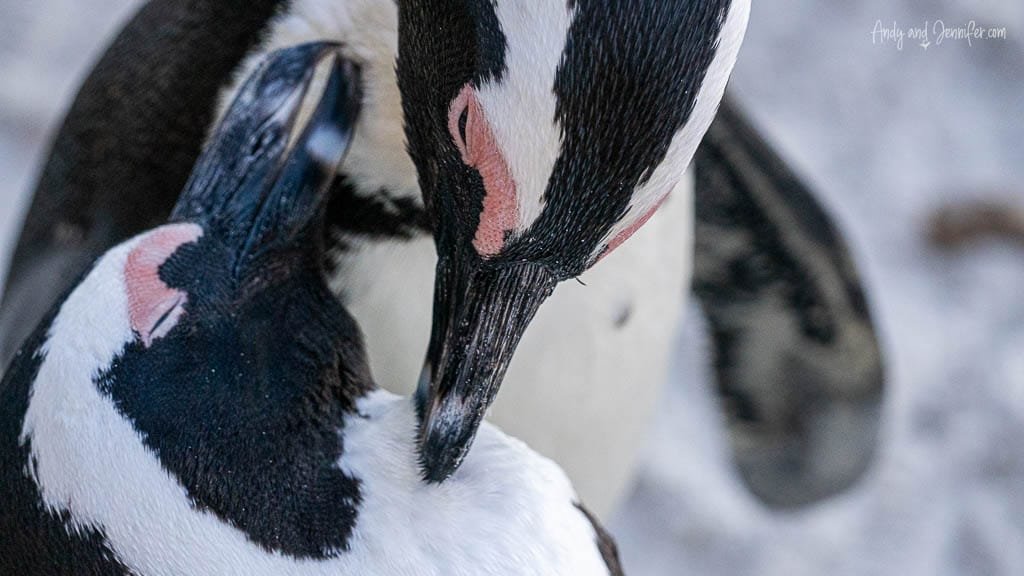
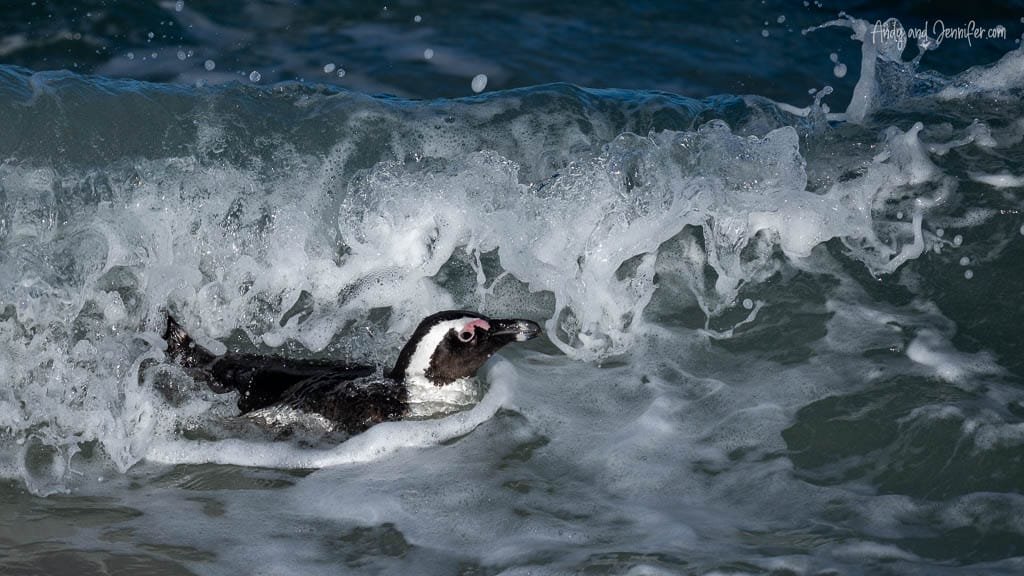
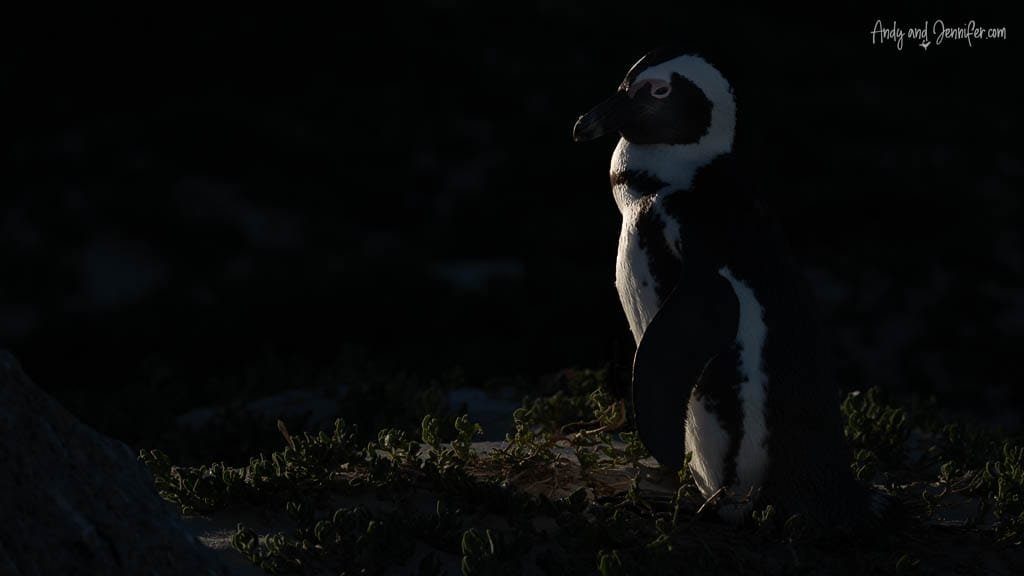
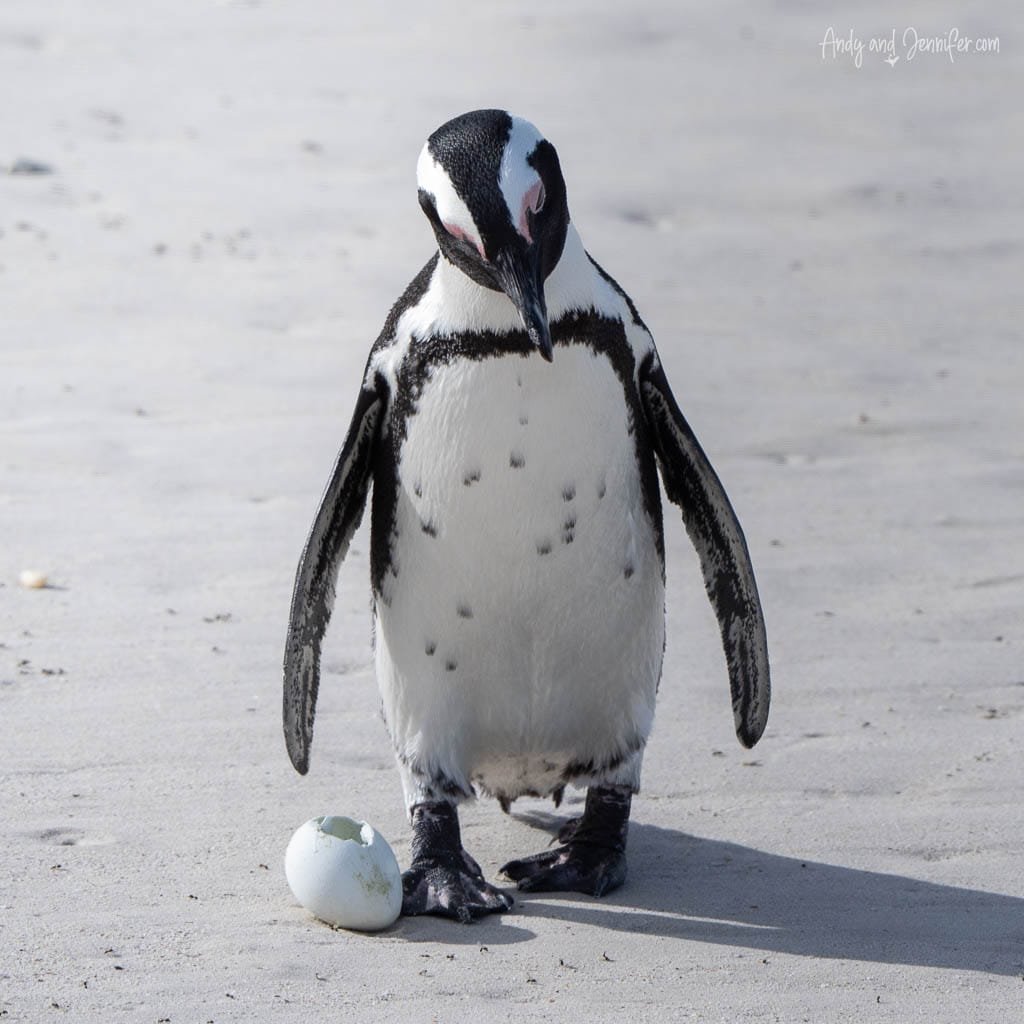
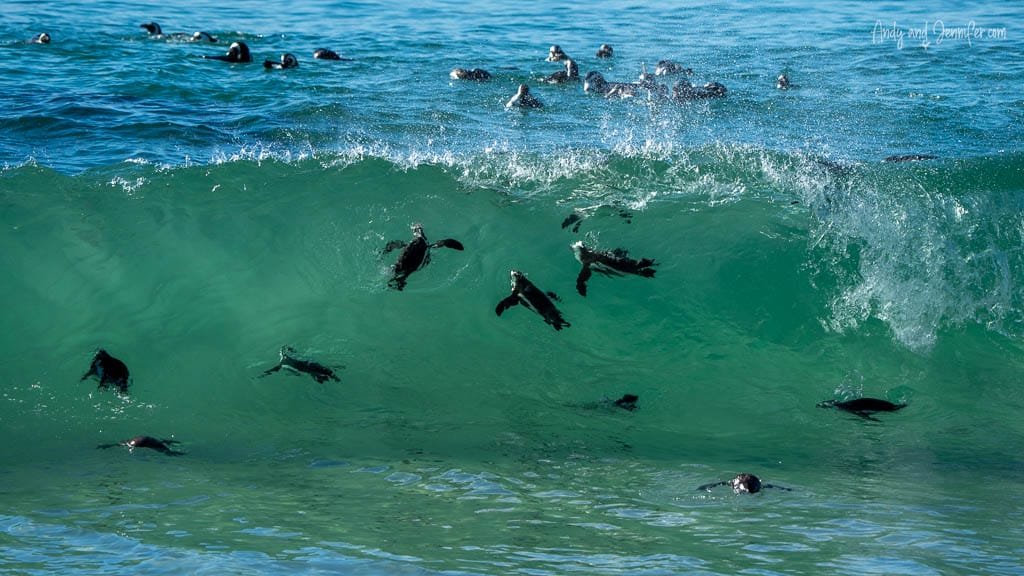
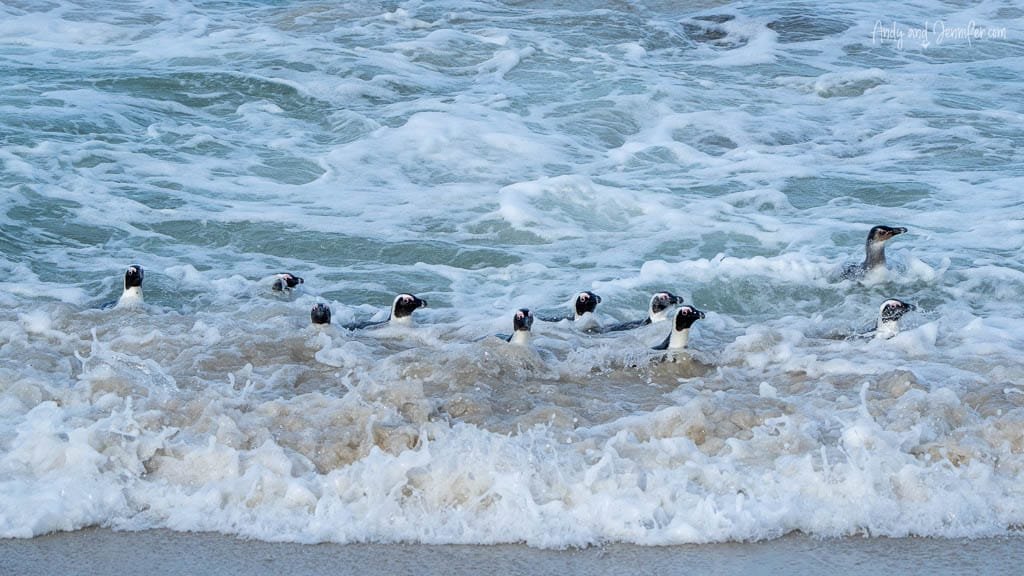
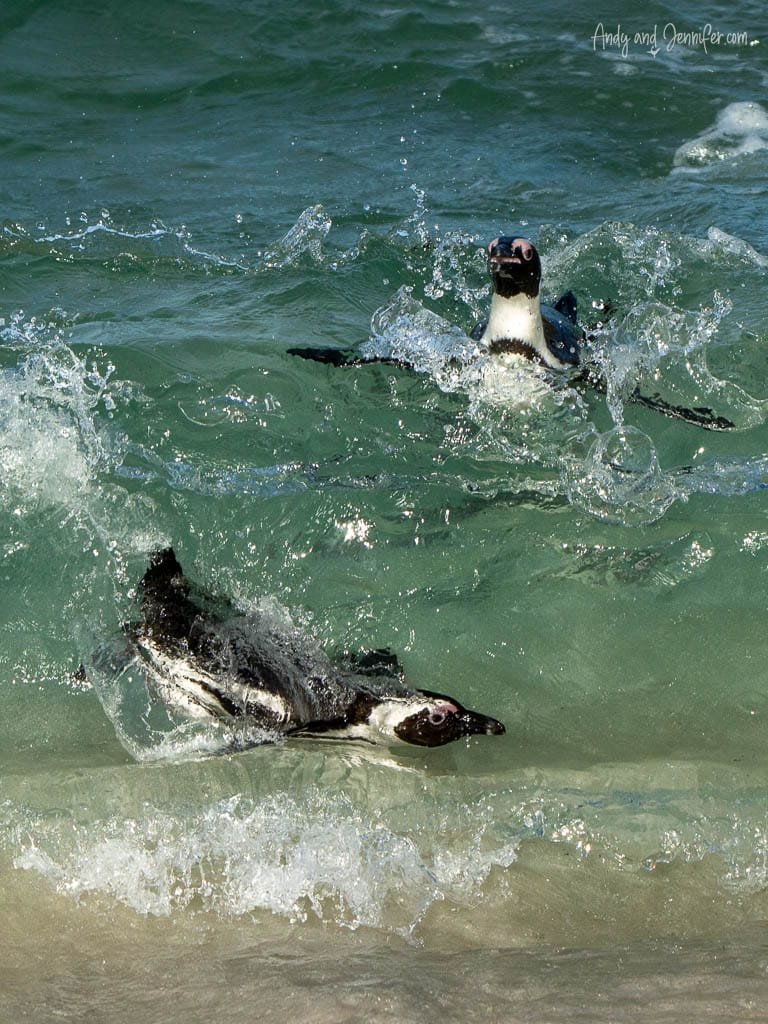
The boardwalks around Boulders Beach pass through the area surrounding the colony, and you can see African penguins without actually entering the paid section of the national park. We started calling these the “free penguins.”
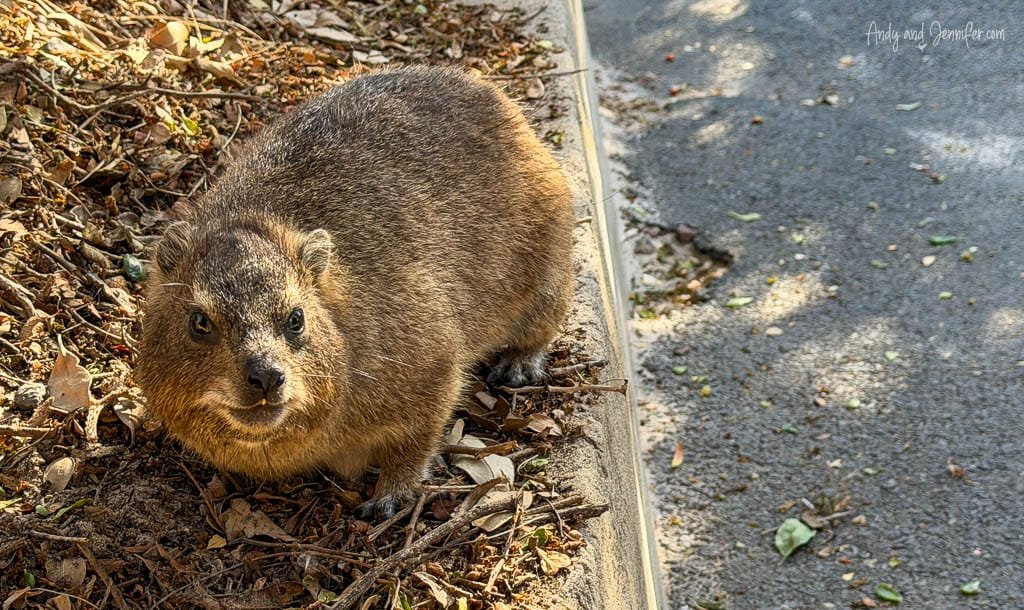
There were rock hyraxes, or dassies, around as well. They’re compact little mammals that, at least superficially, look a bit like quokkas.
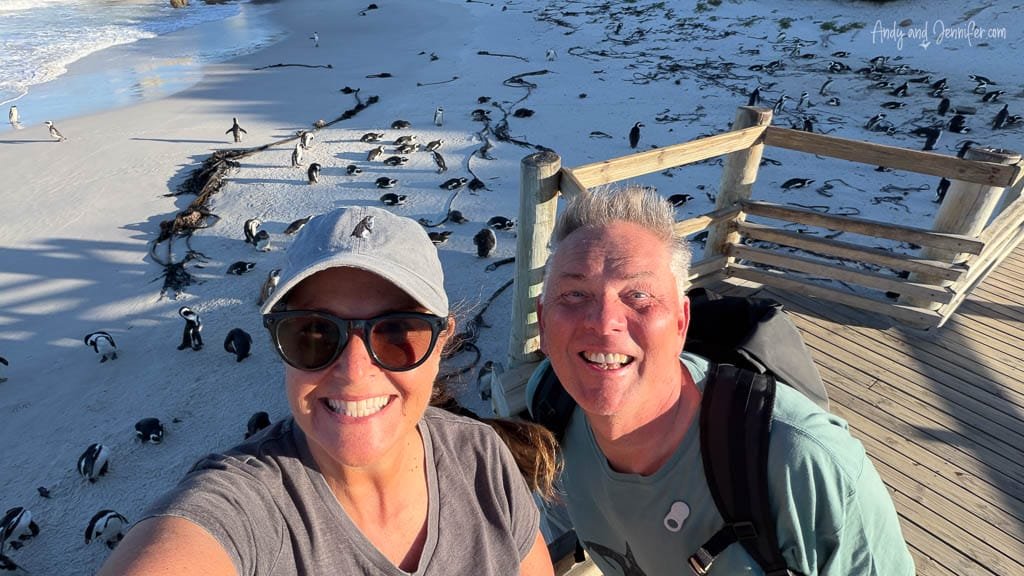
The entrance to the main Boulders Beach penguin viewing area was only about a ten-minute walk from our accommodation. We hadn’t really planned on going in that afternoon. But we were standing outside a penguin colony. Why wouldn’t we?
African Penguin Number 17
The contrast with our northern rockhopper experience couldn’t have been greater.
Seeing the rockhoppers had required an expedition across the South Atlantic, days at sea, a Zodiac in two-metre swells and a considerable amount of luck with the weather.
The African penguins were a delightfully sure thing. Walk ten minutes. Buy a ticket. Penguins.
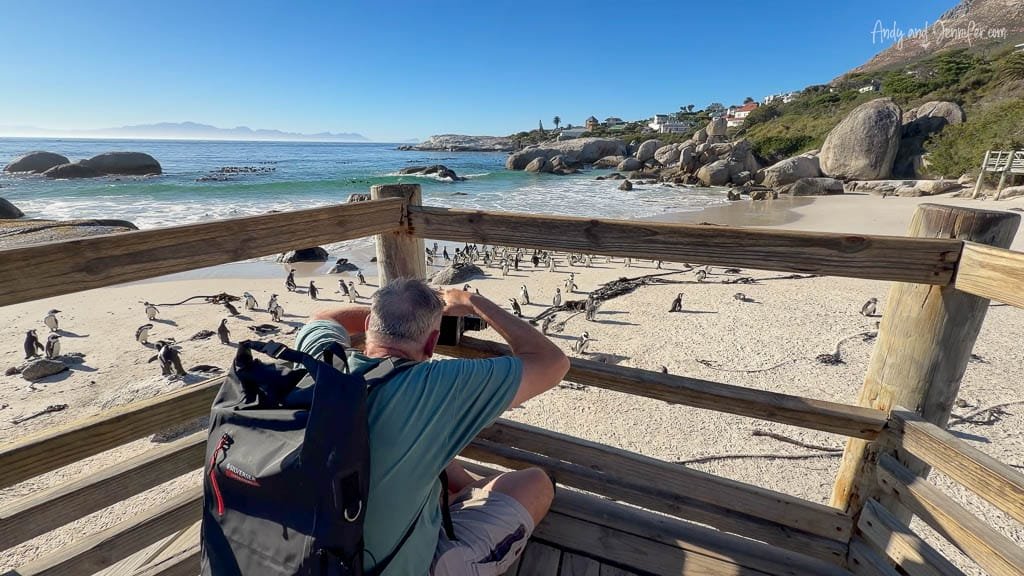
After all the uncertainty surrounding the previous species, there was something wonderfully reassuring about that. And there was another reason these particular penguins mattered to us.
African penguin: number 17.
Check.
We had now seen 17 of the world’s 18 penguin species.
More Than Just Penguins in Simon’s Town
Simon’s Town itself was also really cute.
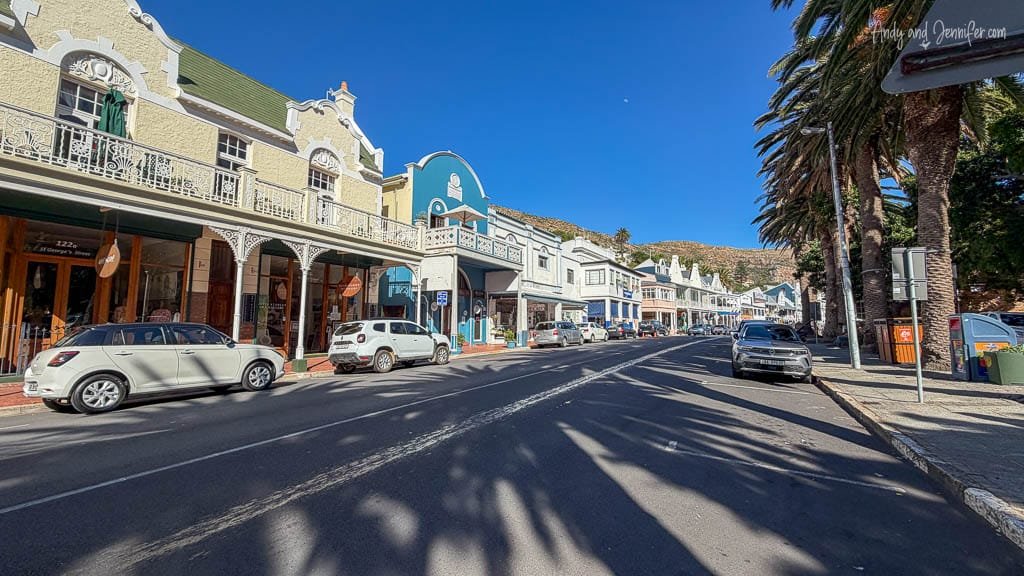
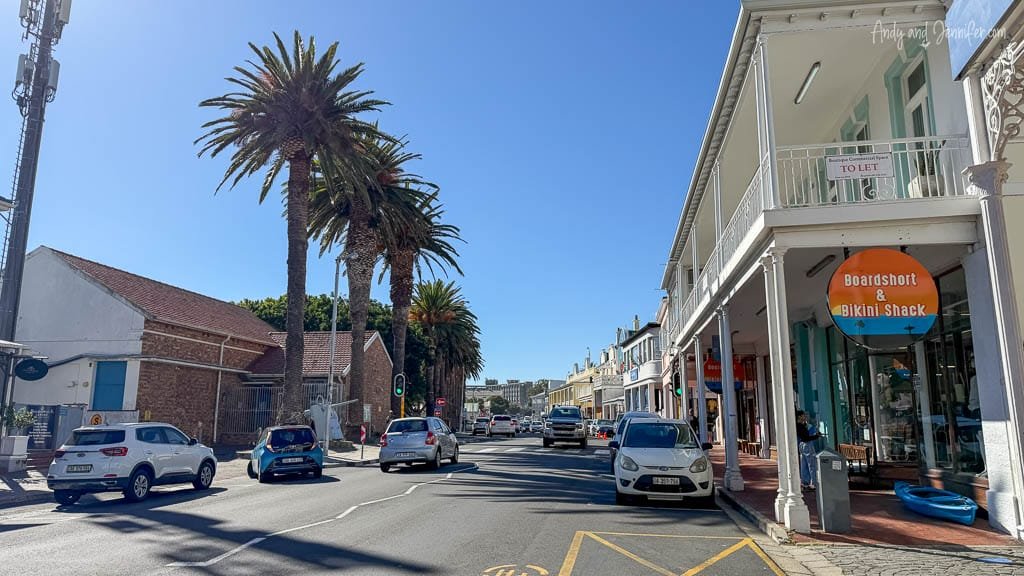
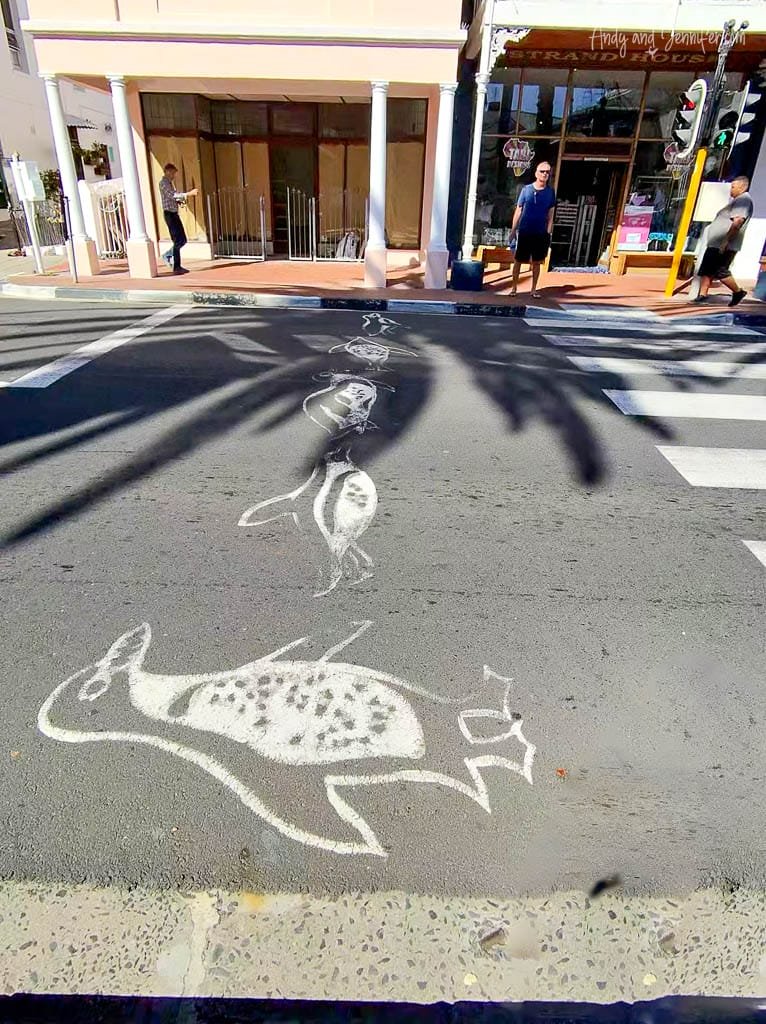
And not just because penguins seem to have worked their way onto almost everything.
It’s a small coastal town with the harbour on one side and the mountains rising behind it. Boulders Beach and its penguin colony sit just outside the centre, which makes the whole area very easy to explore on foot if you’re staying nearby.
Because we’d lost our first day to the unexpected overnight in Johannesburg, we returned to Boulders Beach twice the following day.
A few tips if you visit the Boulder’s Beach Penguin Colony
- Buy your tickets online so you can skip the queue
- To avoid the crowds, go early or late in the day.
- Save your ticket if you are staying nearby because they are valid all day. After visiting in the morning, we could leave and return later without buying another ticket. And they typically don’t chase you out until about 10-15 minutes after closing time and this is when we got some of our best photographs.
We’d only booked three nights in Simon’s Town, and we’d missed the first due to the flight delays. Honestly, we could have stayed much longer.
More on that later.
We’re Andy and Jennifer—two former corporate executives who chose long ago to prioritise experiences over stuff while pursuing our passions for travel and photography. From the Arctic to Antarctica, and most places in between, we’ve captured the world through our lenses and love sharing those stories. Our careers gave us the means, but our purpose is inspiring others to explore and helping people create images they’re proud of.